
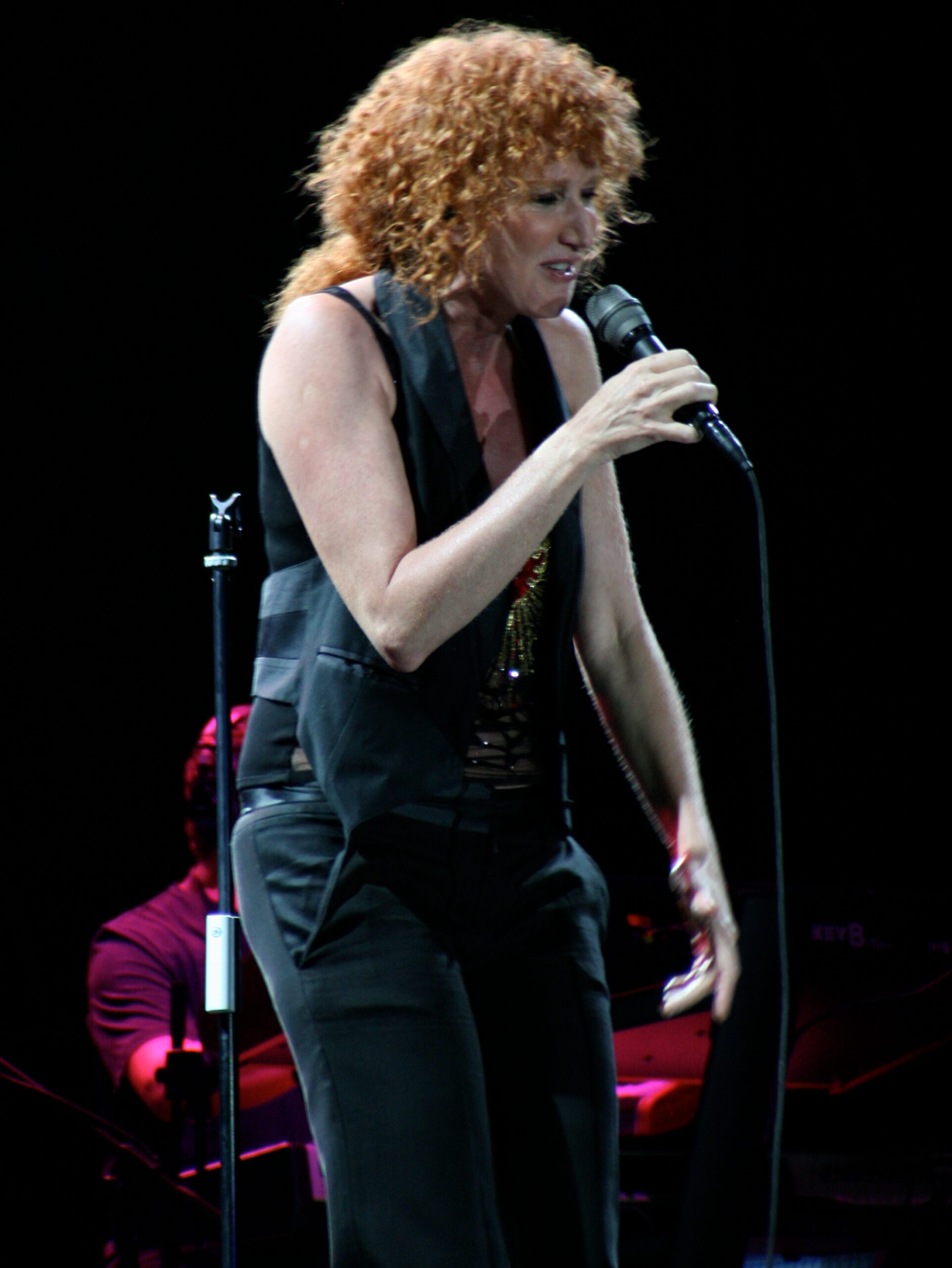
Fiorella Mannoia, born on April 4, 1954, in Rome, Italy, is one of the most iconic and revered figures in the Italian music industry. With a career spanning over five decades, Mannoia has become synonymous with powerful vocals, poignant lyrics, and a deep connection to the cultural and social issues of her time. This article delves into the life of Fiorella Mannoia, exploring her age, fame, and key life highlights, offering insights into the nuances of her career and the historical context that shaped her journey.
Early Life and Introduction to the Arts
Fiorella Mannoia was born into a family with a deep connection to the entertainment industry. Her father, Luigi Mannoia, was a stuntman, and it was through his work that Fiorella first entered the world of cinema. In her early years, Fiorella worked as a stunt double and actress, a role that allowed her to develop a strong stage presence and a deep understanding of the entertainment world. She worked on films like “Non cantare, spara” in 1968, where she was a stunt double for prominent actresses, including Candice Bergen and Monica Vitti.
However, it was her passion for music that would eventually define her career. In 1968, at the age of 14, Mannoia made her first significant foray into music by participating in the Festival di Castrocaro, performing Adriano Celentano’s “Un bimbo sul leone.” Although she didn’t win, her performance caught the attention of industry professionals, leading to her first recording contract with Carisch Records.
The Musical Journey Begins
Mannoia’s early music career was marked by the release of several singles that showcased her vocal talent, although they did not achieve significant commercial success. Songs like “Ho saputo che partivi” and “Ciliegie” were released between 1969 and 1971 but failed to make a substantial impact on the charts. Despite the lack of immediate success, these early recordings laid the groundwork for her future career, demonstrating her versatility and potential as a vocalist.
During the 1970s, Fiorella Mannoia continued to explore her musical talents, collaborating with Memmo Foresi, a guitarist and songwriter, and signing a contract with the It record label. This partnership led to the release of the album “Mannoia Foresi & Co” in 1972, which included the single “Prologo.” Although still searching for her distinct sound, Mannoia was beginning to establish herself as a serious artist in the Italian music scene.
Breaking Through in the 1980s
The 1980s were a transformative period for Fiorella Mannoia. Her breakthrough came in 1981 with her participation in the Sanremo Music Festival, one of the most prestigious music events in Italy. Mannoia performed “Caffè nero bollente,” a song that showcased her unique vocal style and strong stage presence. The song was well-received, marking the beginning of her rise to fame.
The turning point in Mannoia’s career came with the release of “Come si cambia” in 1984. This song, performed at the Sanremo Music Festival, became a significant hit and is still one of her most iconic tracks. It was through this performance that Mannoia began to carve out her identity as an artist deeply connected to the emotional and introspective aspects of music. That same year, she won the “Premiatissima ’84” competition with the song “Margherita,” further solidifying her status as a leading figure in Italian music.
Throughout the 1980s, Mannoia continued to release successful albums and singles, including “Momento delicato” in 1985 and “Fiorella Mannoia” in 1986. Her work during this period was characterized by a blend of pop and sophisticated songwriting, often collaborating with some of Italy’s most respected songwriters, including Enrico Ruggeri and Ivano Fossati.
Establishing Herself as a Vocal Icon
The late 1980s saw Fiorella Mannoia achieve significant critical and commercial success. Her 1987 performance of “Quello che le donne non dicono” at the Sanremo Music Festival earned her the prestigious Critics’ Award, a recognition she would receive again the following year for “Le notti di maggio.” These songs, written by Ruggeri and Fossati respectively, are considered anthems of Italian music and solidified Mannoia’s reputation as a singer with a unique ability to convey deep emotion and social commentary through her music.
Mannoia’s 1988 album “Canzoni per parlare” further showcased her ability to interpret complex and evocative lyrics, featuring hits like “I dubbi dell’amore.” The album “Di terra e di vento,” released in 1989, continued this trend, including tracks like “O que sera” and “Cuore di cane,” which highlighted her versatility and willingness to experiment with different musical styles.
The 1990s: Continued Success and Artistic Growth
Fiorella Mannoia entered the 1990s as one of Italy’s most respected vocalists. The decade began with the release of the album “I treni a vapore” in 1992, which included some of her most enduring hits, such as “Il cielo d’Irlanda” and “I venti del cuore.” These songs reflected Mannoia’s growing interest in blending Italian pop with folk influences, particularly from Ireland, showcasing her ability to adapt and evolve as an artist.
Throughout the 1990s, Mannoia continued to collaborate with some of Italy’s most prominent songwriters and musicians. Her 1994 album “Gente Comune,” while not as commercially successful as her previous works, featured collaborations with artists like Samuele Bersani and Caetano Veloso, indicating her ongoing commitment to artistic exploration and collaboration.
In 1999, Mannoia released her first live album, “Certe piccole voci,” which was a significant commercial success, reaching the top of the Italian charts and earning double platinum certification. The album included a live rendition of Vasco Rossi’s “Sally,” which became one of Mannoia’s signature songs and further cemented her status as a beloved figure in Italian music.
The 2000s: Expanding Horizons and Social Engagement
The new millennium saw Fiorella Mannoia continuing to expand her artistic horizons. In 2003, she ventured into acting, appearing in the romantic comedy “Prima dammi un bacio” directed by Ambrogio Lo Giudice. While her acting career was brief, it demonstrated her versatility and willingness to explore new creative avenues.
Mannoia’s musical output during this period included the live album “In tour,” recorded with fellow Italian artists Ron, Francesco De Gregori, and Pino Daniele. This collaboration highlighted her deep connections within the Italian music industry and her ability to seamlessly blend her voice with those of other iconic performers.
In 2004, Mannoia was honored as an Officer by the President of Italy, Carlo Azeglio Ciampi, recognizing her contributions to Italian culture. This accolade was a testament to her influence and impact on the country’s music scene.
Embracing Brazilian Music and Continued Success
Fiorella Mannoia’s love for Brazilian music came to the forefront with the release of the album “Onda tropicale” in 2006. The album featured collaborations with prominent Brazilian artists such as Carlinhos Brown, Gilberto Gil, and Adriana Calcanhotto, and showcased Mannoia’s ability to adapt her vocal style to different musical genres. This album marked a significant departure from her earlier work, demonstrating her ongoing commitment to artistic exploration and her deep appreciation for world music.
In 2008, Mannoia released “Il movimento del dare,” her first album of new material in seven years. The album featured collaborations with artists like Pino Daniele, Ivano Fossati, and Franco Battiato, further solidifying her status as a leading figure in Italian music. The album was well-received, both critically and commercially, and highlighted Mannoia’s ability to remain relevant and innovative in an ever-changing music industry.
The 2010s: Activism and Continued Musical Exploration
Fiorella Mannoia’s career in the 2010s was marked by a strong commitment to social and political causes. In 2009, she was one of the leading figures in “Amiche per l’Abruzzo,” a charity concert held to raise funds for the victims of the earthquake in L’Aquila. This event highlighted Mannoia’s dedication to using her platform for social good and her ability to mobilize her fellow artists for a common cause.
In 2012, Mannoia released the album “Sud,” which was inspired by the social and political struggles of the global South. The album, which included songs like “Io non ho paura” and “Non è un film,” was a reflection of Mannoia’s deep engagement with issues of social justice and her desire to use her music to raise awareness about important global issues.
Mannoia continued to receive critical acclaim throughout the decade, winning the prestigious Targa Tenco award five times. Her collaborations with artists like Noemi, Paola Turci, and Francesco Gabbani showcased her ability to connect with a new generation of Italian musicians while staying true to her roots.
Recent Years and Ongoing Influence
Fiorella Mannoia’s influence on Italian music remains strong as she continues to release new music and perform. In 2021, she married Carlo Di Francesco, her longtime partner and musical producer. Their relationship, which had spanned 15 years before their marriage, is a testament to the close personal and professional bonds that have shaped Mannoia’s career.
In 2024, Mannoia is set to return to the Sanremo Music Festival with the song “Mariposa,” further demonstrating her enduring relevance in the Italian music scene. Her participation in Sanremo, decades after her debut, is a testament to her lasting appeal and her ability to adapt to the changing landscape of the music industry.
Conclusion
Fiorella Mannoia’s career is a remarkable journey of artistic growth, social engagement, and enduring influence. From her early days as a stuntwoman and actress to her rise as one of Italy’s most beloved vocalists, Mannoia has consistently demonstrated a commitment to artistic excellence and a deep connection to the cultural and social issues of her time. Her ability to blend powerful vocals with meaningful lyrics has made her a standout figure in Italian music, and her ongoing contributions continue to inspire both fans and fellow artists.
As Fiorella Mannoia continues to explore new musical horizons and engage with pressing social issues, her legacy as an iconic and influential artist remains secure. Her career is a testament to the power of music to not only entertain but also to enlighten and inspire, making her one of the most respected and beloved figures in Italian cultural history.


