
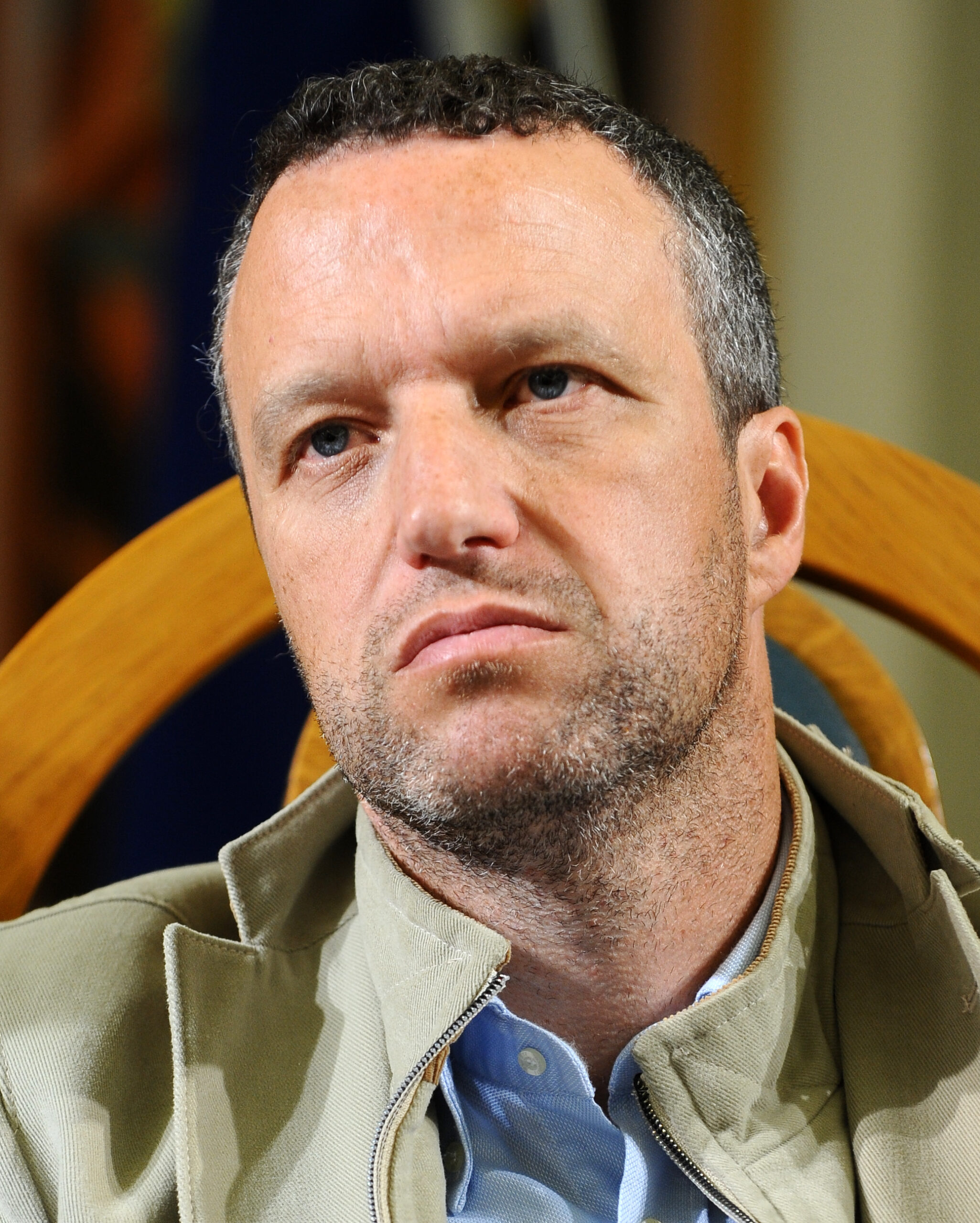
Flavio Tosi is a prominent Italian politician known for his long-standing involvement in regional and national politics, particularly within the Veneto region. Born on June 18, 1969, in Verona, Italy, Tosi has played a significant role in shaping the political landscape of his hometown and beyond. His journey from a local councilor to the mayor of Verona and a key figure in the Liga Veneta (Venetian League) highlights a career marked by both accomplishments and controversies.
Early Life and Political Beginnings
Flavio Tosi’s early life was rooted in Verona, where he attended the Liceo Statale “Maffei.” Before fully immersing himself in the world of politics, Tosi worked as a computer technician. His career took a decisive turn when, at the age of 25, he was elected as a city councilor in Verona in 1994. This marked the beginning of his deep involvement with the Lega Nord (Northern League), a political party known for advocating greater autonomy for the northern regions of Italy.
In 1997, Tosi became the provincial secretary of the Liga Veneta, the Veneto branch of the Lega Nord, solidifying his influence within the party. By the year 2000, Tosi had expanded his political reach by becoming a regional councilor for the Veneto region, where he continued to champion the interests of his constituents.
Rise to Prominence in the 2000s
The early 2000s were pivotal for Tosi’s political career. In 2001, he succeeded Gian Paolo Gobbo as the leader of the Liga Veneta group in the regional council, a position he held until 2002. His leadership within the party was further solidified when he was re-elected as a regional councilor in 2005 and appointed as the Regional Health Minister for Veneto.
However, Tosi’s ambitions extended beyond regional politics. In 2004, he ran for the presidency of the Province of Verona with the backing of the Lega Nord, although he garnered only around 13% of the vote. Undeterred, Tosi continued to build his political capital, eventually leading to his election as the Mayor of Verona in 2007.
Tosi as Mayor: A Controversial Tenure
Tosi’s tenure as mayor of Verona was marked by a series of bold and often contentious decisions. His election as mayor came after a fierce internal struggle within the center-right coalition, where he emerged as the candidate for both the Lega Nord and Alleanza Nazionale, defeating the incumbent center-left mayor, Paolo Zanotto.
One of Tosi’s first actions as mayor was to close down the Boscomantico Roma camp and evict occupants from an illegally occupied former nursery school in Borgo Venezia. These decisions were indicative of his tough stance on law and order, which would become a hallmark of his administration.
Tosi also garnered attention for his provocative actions, such as replacing the official portrait of then-President Giorgio Napolitano with that of former President Sandro Pertini, a move that drew widespread media coverage.
Legislative Actions and Public Reception
During his time as mayor, Tosi’s administration passed several ordinances that further cemented his reputation as a tough and sometimes controversial leader. One of his most well-known ordinances banned the consumption of takeaway food near Verona’s historic monuments, prohibited littering and defacing public buildings, and introduced strict regulations on street prostitution.
Tosi also took measures to protect public spaces by banning smoking in parks and the consumption of alcohol in public gardens and the city center. These ordinances were part of a broader effort to maintain public order and improve the quality of life in Verona, though they also sparked debates about personal freedoms and the role of government in regulating public behavior.
The 2010s: Continued Influence and National Ambitions
As Tosi’s political career progressed into the 2010s, he faced both challenges and opportunities. In November 2010, a controversy arose within his administration when Mario Rossi, an assessor from the UDC party, accused Tosi’s press officer, Roberto Bolis, of wielding excessive influence, effectively acting as the de facto mayor. This led Tosi to dismiss Rossi from his position, underscoring his determination to maintain control over his administration.
Despite such controversies, Tosi remained a popular figure among his constituents. In January 2011, a survey conducted by the financial daily “Il Sole 24 Ore” ranked Tosi as the third most popular mayor in Italy, reflecting his high approval ratings. A few months later, another survey by Monitor Città placed him at the top of the list of Italy’s most appreciated mayors, alongside Matteo Renzi, the then-mayor of Florence.
In May 2012, Tosi was re-elected as the mayor of Verona with 57% of the vote, defeating candidates from the center-right, the Five Star Movement, and the center-left. His re-election confirmed his strong position in local politics and his ability to attract broad support across the political spectrum.
The Foundation of “Ricostruiamo il Paese” and European Elections
In the fall of 2013, Tosi took a significant step toward national politics by founding “Ricostruiamo il Paese” (Let’s Rebuild the Country), a foundation aimed at organizing national primaries for the center-right and positioning Tosi as a leader within the coalition. Through this initiative, Tosi sought to promote concrete and sustainable reforms for Italy, signaling his ambition to play a more prominent role on the national stage.
In 2014, Tosi ran as a candidate for the Lega Nord in the Northeastern Italy constituency during the European elections. He received nearly 100,000 votes, making him the most voted candidate in Verona and the second most voted in the Veneto region. Despite his success, Tosi chose to decline his seat in the European Parliament, opting to remain as mayor of Verona, a decision he had announced at the outset of his campaign.
A Rift with Matteo Salvini and the Future of Flavio Tosi
Tosi’s relationship with the Lega Nord began to fray in 2015, particularly with the party’s leader, Matteo Salvini. The conflict centered on Tosi’s desire to run for the presidency of the Veneto region in opposition to Luca Zaia, the official candidate of the Lega Nord. This rift ultimately led to a split between Tosi and the party, marking a turning point in his political career.
Despite these challenges, Tosi’s legacy as a political leader remains significant. His tenure as mayor of Verona, marked by a combination of populist rhetoric, strong-willed governance, and a focus on public order, left a lasting impact on the city and its residents. While his future in politics remains uncertain, Flavio Tosi’s career offers valuable insights into the dynamics of regional and national politics in Italy, particularly within the context of the Lega Nord and the broader center-right movement.
Conclusion
Flavio Tosi’s journey from a young city councilor to one of Italy’s most well-known mayors is a testament to his political acumen and determination. His ability to navigate the complexities of local and regional politics, coupled with his bold and often controversial decisions, has made him a prominent figure in Italian politics. As he continues to influence the political landscape, Tosi’s story serves as a compelling example of how regional leaders can shape national discourse and policy.


