
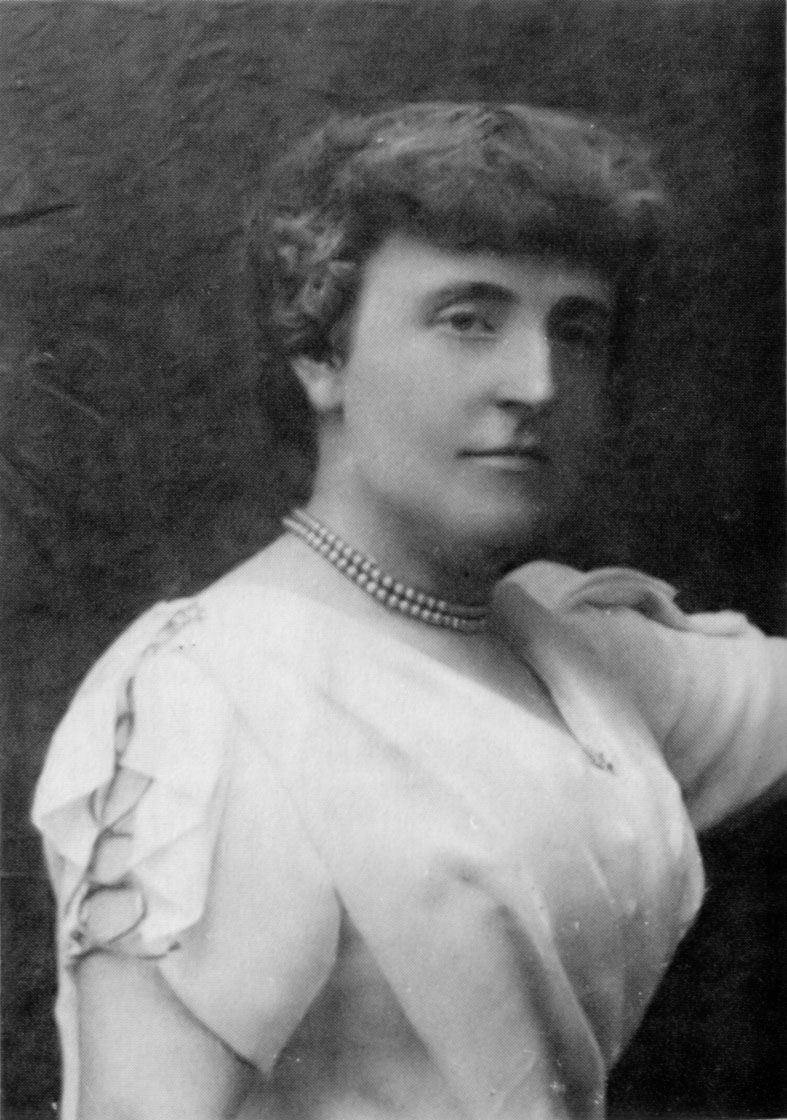
Frances Hodgson Burnett, born on November 24, 1849, in Cheetham Hill, Manchester, England, is one of the most beloved authors of children’s literature, known for her timeless classics like The Secret Garden, A Little Princess, and Little Lord Fauntleroy. Her works have captivated readers for generations, offering rich narratives filled with themes of resilience, hope, and the transformative power of nature and kindness. This article explores the life, fame, and key highlights of Frances Hodgson Burnett’s literary career, providing detailed insights into her journey from a struggling young writer to a celebrated author whose stories continue to resonate with audiences worldwide.
Early Life and Family Struggles
Frances Eliza Hodgson was born into a large family, the third of five children. Her father, Edwin Hodgson, was a successful ironmonger who provided well for his family. However, when Frances was just four years old, her father passed away, leaving the family in financial difficulties. The loss of her father profoundly impacted Frances and her siblings, thrusting them into a life of economic hardship.
In 1865, seeking a better life, Frances’s mother, Eliza Boond Hodgson, decided to emigrate with her children to the United States. The family settled in Knoxville, Tennessee, where they hoped to find prosperity and stability. However, the American Civil War had left the region impoverished, and the Hodgson family continued to struggle financially.
The harsh realities of life in post-war Tennessee shaped Frances’s outlook and fueled her determination to succeed. Despite the challenges, Frances displayed a natural talent for storytelling from a young age. By the time she was 18, she was already trying to sell her stories to magazines, driven by the need to support her family.
Beginnings as a Writer
Frances Hodgson Burnett’s literary career began in earnest when she sold her first stories to magazines in the late 1860s. Her early works were primarily short stories, which she wrote prolifically, sometimes producing five or six stories a month. Her initial publications, including “Hearts and Diamonds” and “Miss Caruther’s Engagement,” appeared in Godey’s Lady’s Book, one of the most popular magazines of the time.
These early successes provided much-needed income for her family and marked the beginning of a long and fruitful writing career. Frances’s ability to create engaging narratives that resonated with readers quickly made her a popular contributor to various publications. Her stories often featured strong, resilient female characters, reflecting her own determination and resourcefulness.
In 1873, Frances married Dr. Swan Burnett, a physician she had known since her teenage years. The couple had two sons, Lionel, born in 1874, and Vivian, born in 1876. During this period, Frances continued to write, balancing her responsibilities as a wife and mother with her burgeoning career as an author.
Breakthrough and Success with Little Lord Fauntleroy
Frances Hodgson Burnett achieved her first major literary success with the publication of That Lass o’ Lowrie’s in 1877. The novel, set in the industrial North of England, was well-received for its realistic portrayal of working-class life and its strong, sympathetic characters. However, it was her 1886 novel Little Lord Fauntleroy that truly catapulted her to international fame.
Little Lord Fauntleroy tells the story of a young American boy named Cedric Errol, who discovers that he is the heir to an English earldom. The novel explores themes of nobility, kindness, and the contrasts between American and British society. The character of Cedric, with his golden curls and impeccable manners, became an iconic figure, and the book was an instant success on both sides of the Atlantic.
The novel was serialized in St. Nicholas Magazine before being published in book form, and it quickly became a bestseller. Little Lord Fauntleroy was also adapted into a successful stage play, further increasing Burnett’s fame and solidifying her reputation as a leading author of children’s literature. The character of Cedric Errol set a new standard for the portrayal of child protagonists, influencing children’s fashion and popular culture at the time.
Literary and Theatrical Achievements
Following the success of Little Lord Fauntleroy, Frances Hodgson Burnett continued to write prolifically, producing a steady stream of novels, short stories, and plays. In 1888, she published Sara Crewe, which she later expanded and republished in 1905 as A Little Princess. This novel, like Little Lord Fauntleroy, became one of her most enduring works, cherished for its tale of resilience and the power of imagination.
Sara Crewe tells the story of a wealthy young girl who, after being orphaned, is forced to live as a servant in a boarding school. Despite her harsh circumstances, Sara maintains her dignity and kindness, relying on her imagination to create a world of hope and beauty. The novel’s message that even in the darkest times, one can remain noble and true, resonated deeply with readers and has continued to be a beloved classic.
Burnett also achieved success as a playwright, collaborating with the young William Gillette to create the play Esmeralda, which was performed in 1881. Her work in theater added another dimension to her literary career, showcasing her versatility as a writer. However, her involvement in the stage adaptation of Little Lord Fauntleroy led to legal battles over copyright issues, which ultimately set important precedents for literary property rights.
Personal Challenges and Later Life
Despite her professional success, Frances Hodgson Burnett faced significant personal challenges throughout her life. Her marriage to Swan Burnett was strained by their differing personalities and the pressures of Frances’s literary career. The couple eventually divorced in 1898, a time when divorce was still considered socially scandalous, particularly for a woman of Frances’s prominence.
In 1890, Frances suffered a devastating personal loss when her eldest son, Lionel, died of tuberculosis. This tragedy had a profound effect on her, influencing the themes of loss and grief that appear in her later works. The death of her son marked a turning point in her life, and she became increasingly reclusive, focusing more on her writing as a way to cope with her grief.
In 1900, Frances remarried, this time to Stephen Townsend, a doctor and actor who had assisted her with her theatrical ventures. However, this second marriage was also unhappy and ended in separation in 1902. Despite the difficulties in her personal life, Frances remained dedicated to her writing, continuing to produce works that resonated with readers around the world.
The Legacy of The Secret Garden
In 1911, Frances Hodgson Burnett published The Secret Garden, which would become her most celebrated work. The novel tells the story of Mary Lennox, a neglected and orphaned girl who is sent to live with her uncle in a gloomy, isolated mansion. There, she discovers a hidden, neglected garden, which she brings back to life with the help of her friends.
The Secret Garden is a profound exploration of healing, both physical and emotional, and the transformative power of nature. The garden serves as a metaphor for the characters’ growth and redemption, illustrating Burnett’s deep understanding of the human condition. The novel’s themes of renewal and the importance of nurturing both people and the natural world have ensured its lasting popularity.
Although The Secret Garden was not an immediate commercial success upon its release, it has since become one of the most beloved and enduring classics of children’s literature. The novel has been adapted into numerous films, television series, and stage productions, cementing its place in the cultural imagination.
Death and Posthumous Recognition
Frances Hodgson Burnett spent the final years of her life in Plandome, New York, where she continued to write and maintain her garden, which had become a source of solace and inspiration for her. On October 29, 1924, she passed away from heart failure at the age of 74.
Following her death, Burnett’s work continued to be celebrated for its emotional depth, vivid storytelling, and the moral lessons it imparted to young readers. Her novels have remained in print, and her stories have been translated into numerous languages, touching the lives of readers around the world.
In recognition of her contributions to literature, Burnett’s legacy has been honored through various literary awards, adaptations of her work, and scholarly studies. Her ability to create stories that blend realism with the magic of imagination has made her a timeless figure in children’s literature.
Conclusion: A Lasting Influence on Children’s Literature
Frances Hodgson Burnett’s life was marked by both tremendous literary success and personal challenges. Her ability to create enduring stories that continue to resonate with readers of all ages is a testament to her skill as a storyteller and her deep empathy for the human experience. Through works like Little Lord Fauntleroy, A Little Princess, and The Secret Garden, Burnett has left an indelible mark on children’s literature, shaping the genre and inspiring countless readers and writers.
Her legacy is one of resilience, creativity, and the belief that even in the face of adversity, there is always hope for renewal and transformation. Frances Hodgson Burnett’s stories continue to be cherished by readers around the world, ensuring that her influence will endure for generations to come.


