
Introduction
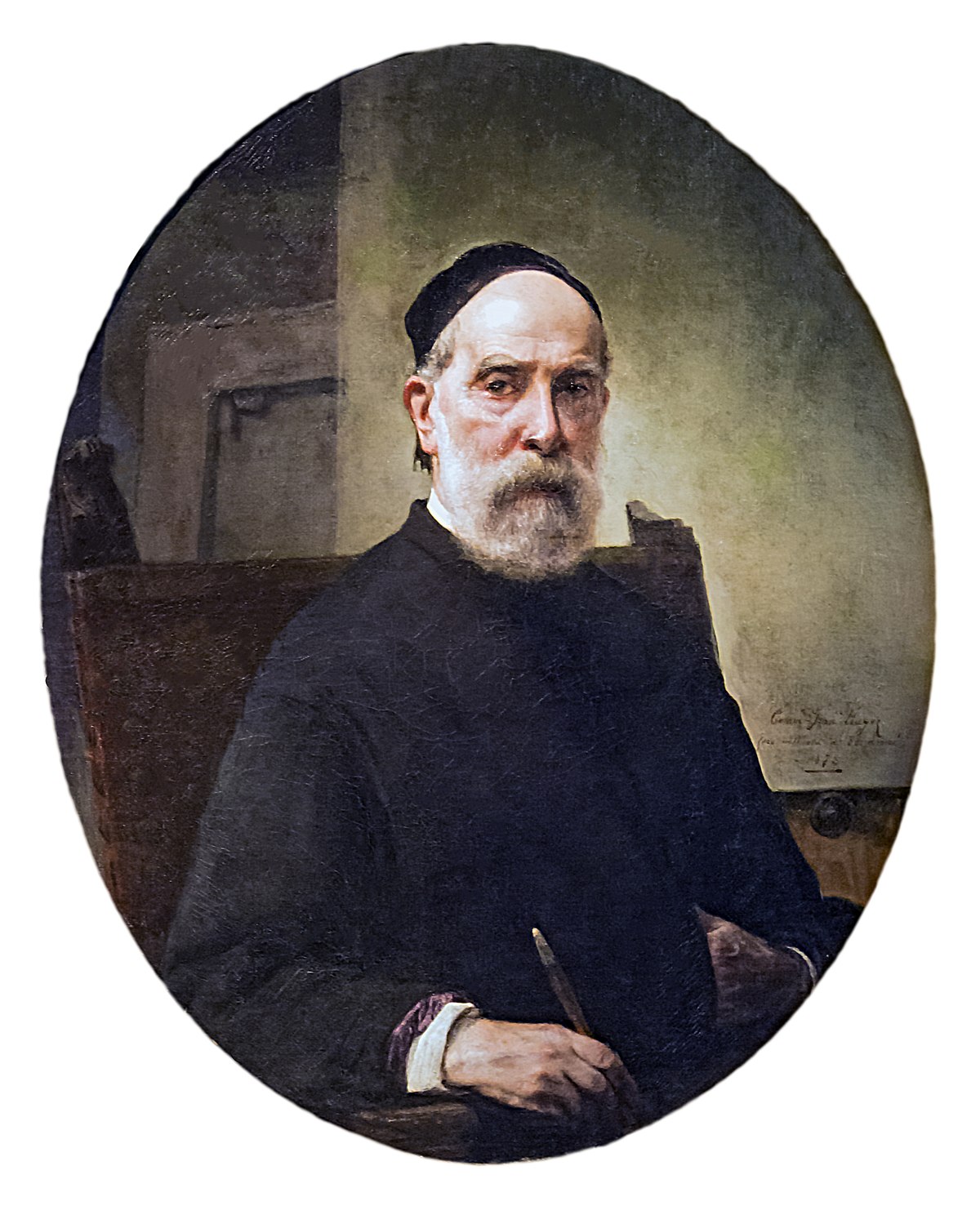
Francesco Hayez, a name that resonates profoundly in the world of art, particularly within the Romanticism movement, stands as one of the most influential painters of the 19th century. Born on February 10, 1791, in Venice, Hayez’s work is celebrated for its emotional depth, historical accuracy, and artistic excellence. His life, filled with both personal and professional triumphs and challenges, offers a fascinating insight into the era’s cultural and political landscapes.
Early Life and Artistic Beginnings
Francesco Hayez was born into a humble family in Venice, the youngest of five children. His father, Giovanni, was a fisherman from Valenciennes, France, while his mother, Chiara Torcellan, hailed from Murano, an island known for its glassmaking tradition. Due to the family’s financial difficulties, young Francesco was placed in the care of his wealthy aunt, married to a Genoese art dealer, Giovanni Binasco. It was Binasco who first recognized Hayez’s artistic talent and introduced him to the world of art.
Hayez’s early education in art began under the guidance of a local restorer, where he learned the basics of restoration. His natural talent was evident, and Binasco arranged for him to study under Francesco Maggiotto, a prominent Venetian artist. During this time, Hayez was exposed to classical art, studying historical and mythological themes that would later influence his work.
Academic Pursuits and Early Influences
In 1803, at the tender age of 12, Francesco Hayez enrolled in the Accademia di Belle Arti in Venice, where he attended his first life drawing class. His education continued under Lattanzio Querena, a respected Venetian painter, who introduced Hayez to the works of Titian. The warm and vivid colors characteristic of Titian’s paintings left a lasting impression on Hayez, shaping his use of color throughout his career.
In 1806, Hayez was admitted to the newly established Nuova Accademia, where he studied under Teodoro Matteini. It was here that he began to delve into historical painting, a genre that would define his career. Three years later, he was awarded a scholarship to study at the Accademia Nazionale di San Luca in Rome. This opportunity allowed him to connect with some of the most significant artists of the time, including Antonio Canova, whose neoclassical sculptures had a profound impact on Hayez’s artistic development.
Establishing a Career: Rome and Naples
During his time in Rome, Hayez established himself as a promising young artist. In 1813, he completed one of his early masterpieces, “Rinaldo and Armida,” which was sent to the Accademia di Venezia as a final project for his studies. This work showcased his skill in combining historical subjects with romanticized emotions, a hallmark of his later work.
However, Hayez’s stay in Rome was not without its challenges. After being attacked in an incident that left him physically and emotionally scarred, he decided to leave the city and move to Naples. In Naples, he was commissioned to decorate the Quirinale Palace. One of his notable works from this period is “Ulysses at the Court of Alcinous,” commissioned by King Joachim Murat of Naples. Although Murat’s death in 1815 led to the painting being sent to King Ferdinand I of the Two Sicilies, it marked a significant achievement in Hayez’s early career.
Marriage and Milan: The Rise to Fame
In 1817, Hayez married Vincenza Scaccia, a member of the Roman bourgeoisie. The couple briefly returned to Venice, where Hayez worked on commissions for various noble families. However, it was in Milan that Hayez truly rose to prominence. In 1820, he presented “Pietro Rossi Prisoner of the Scaligeri” at the Accademia di Brera. This work is considered a manifesto of historical Romanticism, the style that would bring Hayez widespread acclaim.
Milan, with its vibrant intellectual and artistic community, became Hayez’s new home. He established connections with influential figures such as Count Arese, Alessandro Manzoni, and Tommaso Grassi. In 1821, he exhibited “The Count of Carmagnola Led to Execution,” inspired by Manzoni’s tragedy of the same name. This painting further solidified his reputation as a leading artist of the Romantic movement.
The Pinnacle of Romanticism: “The Kiss” and Beyond
One of Francesco Hayez’s most iconic works is “The Kiss,” painted in 1859. This masterpiece has become synonymous with Italian Romanticism, symbolizing both romantic love and the political struggles of the time. The painting, characterized by its passionate embrace and warm, vibrant colors, was seen as a commentary on the Italian unification movement, known as the Risorgimento.
In addition to “The Kiss,” Hayez produced numerous other works that captured the historical and emotional essence of the Romantic era. His portraits of notable figures such as Alessandro Manzoni, Gioachino Rossini, and Ugo Foscolo are celebrated for their psychological depth and artistic precision. His historical paintings, such as “The Sicilian Vespers” and “The Refugees of Prague,” continue to be studied for their intricate details and powerful storytelling.
Later Years and Legacy
In 1850, Francesco Hayez was appointed as a professor of painting at the Accademia di Brera, a position he held until his retirement. During his tenure, he influenced a generation of artists who would continue to develop the Romantic style in Italy and beyond. Even in his later years, Hayez remained active in the art world, producing significant works such as “The Portrait of Gioachino Rossini,” “The Assassination of the Doge Marin Faliero,” and “The Window of the Harem.”
Francesco Hayez passed away on December 21, 1882, in Milan, leaving behind a legacy that continues to inspire and captivate art lovers around the world. His work, marked by its emotional intensity, historical accuracy, and artistic innovation, solidified his place as a master of Romanticism.
The Political Dimension of Hayez’s Art
Hayez’s work is often described as “political” in nature, with many of his paintings containing hidden messages or allegories. This aspect of his art reflects the turbulent political landscape of 19th-century Italy, a time when the country was undergoing significant changes and striving for unification. “The Kiss,” for example, is believed to symbolize the alliance between Italy and France during the Second Italian War of Independence.
Despite his success, some critics have described Hayez’s style as formal rather than substantial, arguing that his works sometimes appear cold and artificial. However, this critique does not diminish the impact and importance of his contributions to the Romantic movement. Hayez’s ability to convey complex emotions and historical narratives through his art remains unparalleled, and his influence can be seen in the works of countless artists who followed in his footsteps.
Conclusion
Francesco Hayez’s life and work offer a fascinating glimpse into the world of 19th-century art and politics. From his humble beginnings in Venice to his rise as a leading figure of the Romantic movement in Milan, Hayez’s journey is a testament to his talent, perseverance, and passion for art. His paintings, rich in emotion and historical significance, continue to captivate audiences and inspire new generations of artists.
As we reflect on Hayez’s legacy, it is clear that his contributions to the world of art extend far beyond the canvas. His work embodies the spirit of an era, capturing the hopes, dreams, and struggles of a nation in the midst of transformation. Today, Francesco Hayez is remembered not only as a master painter but also as a cultural icon whose art continues to resonate with audiences around the world.


