
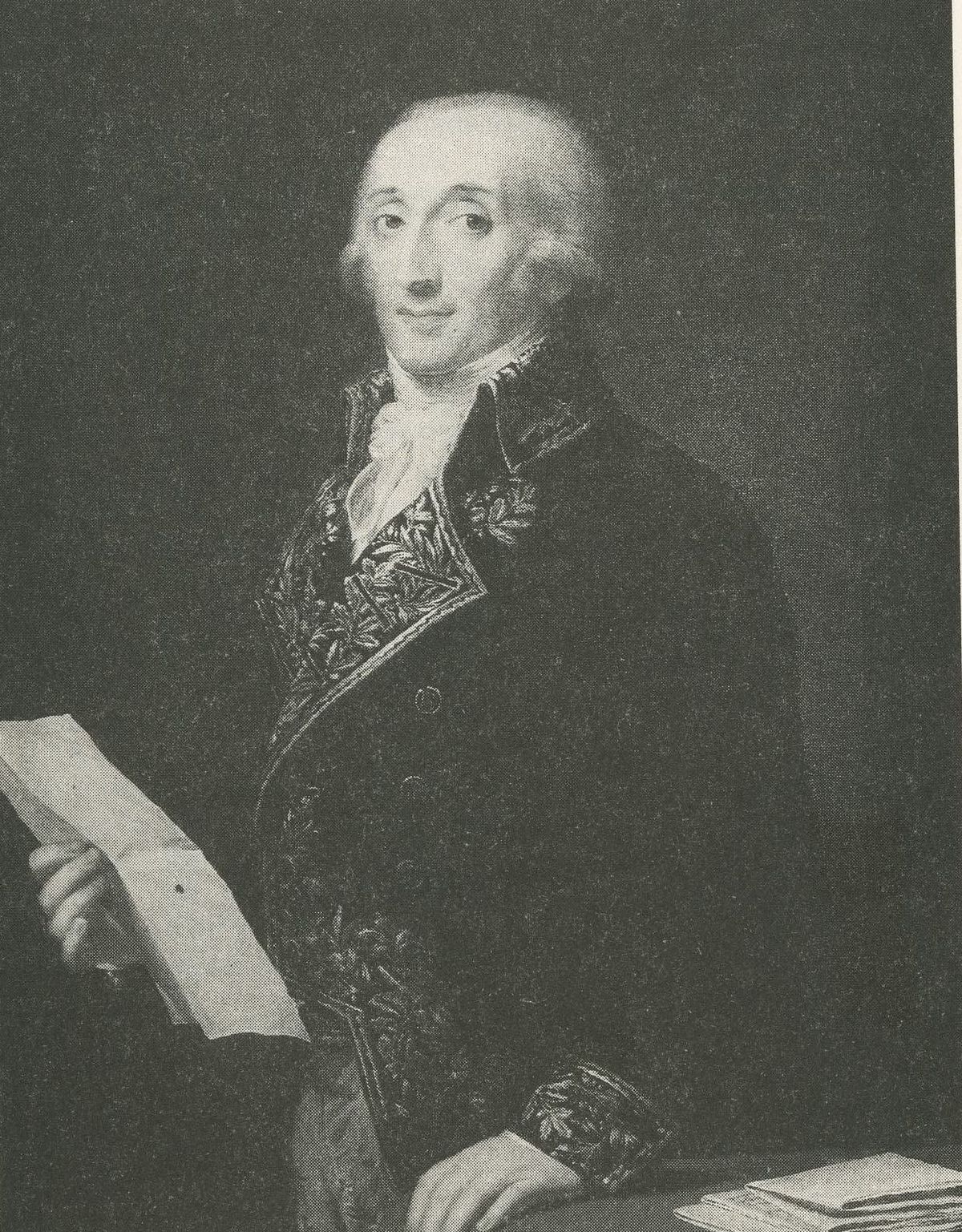
Francesco Melzi d’Eril, born on March 6, 1753, in Milan, Italy, was an influential figure in the late 18th and early 19th centuries, playing a crucial role in the political landscape of pre-unification Italy. His contributions as a statesman, diplomat, and reformer made him a precursor of the Italian Risorgimento, the movement that ultimately led to the unification of Italy. This article provides a detailed exploration of Francesco Melzi d’Eril’s life, his rise to prominence, and the significant moments that shaped his legacy.
Early Life and Education
Francesco Melzi d’Eril was born into the Milanese aristocracy, a position that provided him with access to the intellectual and political circles of the time. His early education was influenced by the Enlightenment, a period that emphasized reason, science, and the rights of individuals. These ideas profoundly shaped Melzi d’Eril’s worldview, guiding his future political career.
Melzi d’Eril’s exposure to the aristocratic milieu of Milan allowed him to become involved in the city’s political affairs from a young age. He quickly made a name for himself in the Decurionato, the governing body of Milan, where his ideas about reform and governance began to take shape. His early experiences in this role laid the foundation for his later work as a statesman.
Enlightenment Ideals and Political Aspirations
As a product of the Enlightenment, Francesco Melzi d’Eril was deeply committed to the principles of liberty, equality, and fraternity. These ideals were at the core of his political philosophy, which sought to modernize and unify Italy by adopting a constitutional and parliamentary system similar to those emerging in Europe.
During his travels across Europe, Melzi d’Eril studied various forms of government, including the parliamentary systems of Britain and France. His observations reinforced his belief that Italy needed to develop a national consciousness and establish institutions that could unite the various states and regions under a single, cohesive government.
Initially, Melzi d’Eril was a supporter of the Austrian influence in Italy, largely because he believed that the Habsburgs could bring about necessary reforms. He held a position as a court dignitary under Empress Maria Theresa of Austria. However, his disillusionment with the limited reforms of Maria Theresa’s son, Emperor Joseph II, led him to reassess his views. The French Revolution of 1789 further influenced his thinking, as he initially embraced its ideals but later distanced himself from the extreme violence and anti-religious fervor of the Jacobins.
Involvement with Napoleon and the Cisalpine Republic
The year 1796 marked a turning point in Francesco Melzi d’Eril’s life. With the arrival of Napoleon Bonaparte in Italy, the political landscape began to shift dramatically. Napoleon’s victory over the Austrians at the Battle of Lodi and the subsequent liberation of Milan were welcomed by Melzi d’Eril, who saw in Napoleon a leader capable of realizing his vision for a unified and modern Italy.
Recognizing Melzi d’Eril’s political acumen and integrity, Napoleon tasked him, along with Lorenzo Mascheroni, with the creation of the Cisalpine Republic in 1797. The Cisalpine Republic was a short-lived state in Northern Italy, established under French protection, which served as an early experiment in republican governance in Italy.
Despite his initial enthusiasm, Melzi d’Eril soon grew disillusioned with the Cisalpine Republic. He realized that it was little more than a puppet state, unable to fulfill the broader aspirations of Italian unification. Disappointed, he withdrew from public life for a time, using this period to reflect on the future of Italy and the role he could play in its development.
The Italian Republic and Vice-Presidency
In 1802, Francesco Melzi d’Eril returned to the political arena when the Italian Republic was established with Napoleon as its president. At the assembly in Lyon where the Republic was proclaimed, Melzi d’Eril was appointed Vice President, a position that allowed him to influence the governance of Northern Italy directly.
As Vice President, Melzi d’Eril worked tirelessly to implement reforms that would strengthen the Italian Republic’s institutions and promote a sense of national identity among its citizens. He was particularly focused on improving the efficiency of the government, promoting economic development, and enhancing the education system.
One of the most significant challenges Melzi d’Eril faced during this time was navigating the complex relationship with Napoleon. While he admired Napoleon’s intellect and leadership, he was also wary of becoming too subservient to French interests. This cautious approach was evident in his refusal to marry Paolina Bonaparte, Napoleon’s sister, a union that would have tied him more closely to the Bonaparte family but compromised his independence.
Transition to the Kingdom of Italy and Later Career
In 1805, the Italian Republic was transformed into the Kingdom of Italy, with Napoleon crowning himself as its king. Francesco Melzi d’Eril was appointed Chancellor and Keeper of the Seals, a role that placed him at the center of the new kingdom’s administration. In recognition of his service, Napoleon also granted him the title of Duke of Lodi in 1807.
As Chancellor, Melzi d’Eril continued his efforts to modernize the Italian state. He worked on codifying laws, improving the judicial system, and fostering economic growth. However, his influence was increasingly overshadowed by Napoleon’s direct control over Italian affairs, and his ability to effect meaningful change became limited.
The downfall of Napoleon and the collapse of the Kingdom of Italy in 1814 marked the end of Melzi d’Eril’s political career. As the Austrians reasserted their control over Northern Italy, Melzi d’Eril made a final attempt to preserve the gains made during the Napoleonic period. He proposed that Eugène de Beauharnais, Napoleon’s stepson and the Viceroy of Italy, be crowned as the King of Italy. However, this plan was rejected, and the Austrian restoration led to the dissolution of the Italian Kingdom.
Disillusioned by the return of Austrian rule and the failure of his efforts to establish an independent Italian state, Francesco Melzi d’Eril retired from public life. He spent his remaining years at his villa in Bellagio, on the shores of Lake Como, where he continued to reflect on the future of Italy and the lessons of his political career.
Legacy and Historical Significance
Francesco Melzi d’Eril’s life and career left a lasting impact on the course of Italian history. Although his efforts to unify Italy during his lifetime were ultimately unsuccessful, his vision and actions laid the groundwork for the later Risorgimento movement that would lead to Italy’s unification in the mid-19th century.
Melzi d’Eril’s commitment to Enlightenment principles, his dedication to reform, and his belief in the importance of national unity made him a key figure in the early stages of the Italian unification process. His work as Vice President of the Italian Republic and Chancellor of the Kingdom of Italy helped to shape the political and administrative structures that would later be crucial in the creation of a unified Italian state.
In addition to his political achievements, Melzi d’Eril is remembered for his integrity and his refusal to compromise his principles, even when faced with the temptations of power. His decision to reject a marriage alliance with the Bonaparte family, for example, demonstrated his commitment to maintaining his independence and serving the broader interests of Italy.
Francesco Melzi d’Eril passed away on January 16, 1816, at the age of 63. He died at his villa in Bellagio, a place that had become a retreat for him in his later years. Today, his legacy is honored not only in the history of Italy but also in the continued respect for the ideals of liberty, reform, and national unity that he championed.
Conclusion: The Enduring Influence of Francesco Melzi d’Eril
Francesco Melzi d’Eril’s contributions to the political development of Italy during a pivotal time in its history cannot be overstated. As a statesman, diplomat, and reformer, he played a key role in the early efforts to unify Italy and establish a modern, constitutional state. His work, influenced by the ideals of the Enlightenment and shaped by his experiences with the Napoleonic regime, set the stage for the eventual success of the Risorgimento and the unification of Italy.
Melzi d’Eril’s life serves as a reminder of the importance of vision, integrity, and perseverance in the face of political challenges. His dedication to the cause of Italian unity, despite the many obstacles he faced, makes him a significant figure in the history of Italy and an inspiration for those who continue to advocate for the principles of liberty and national sovereignty.
As we reflect on the life of Francesco Melzi d’Eril, we are reminded of the complex and often difficult path to achieving national unity and the vital role that enlightened leadership can play in shaping the future of a nation.


