
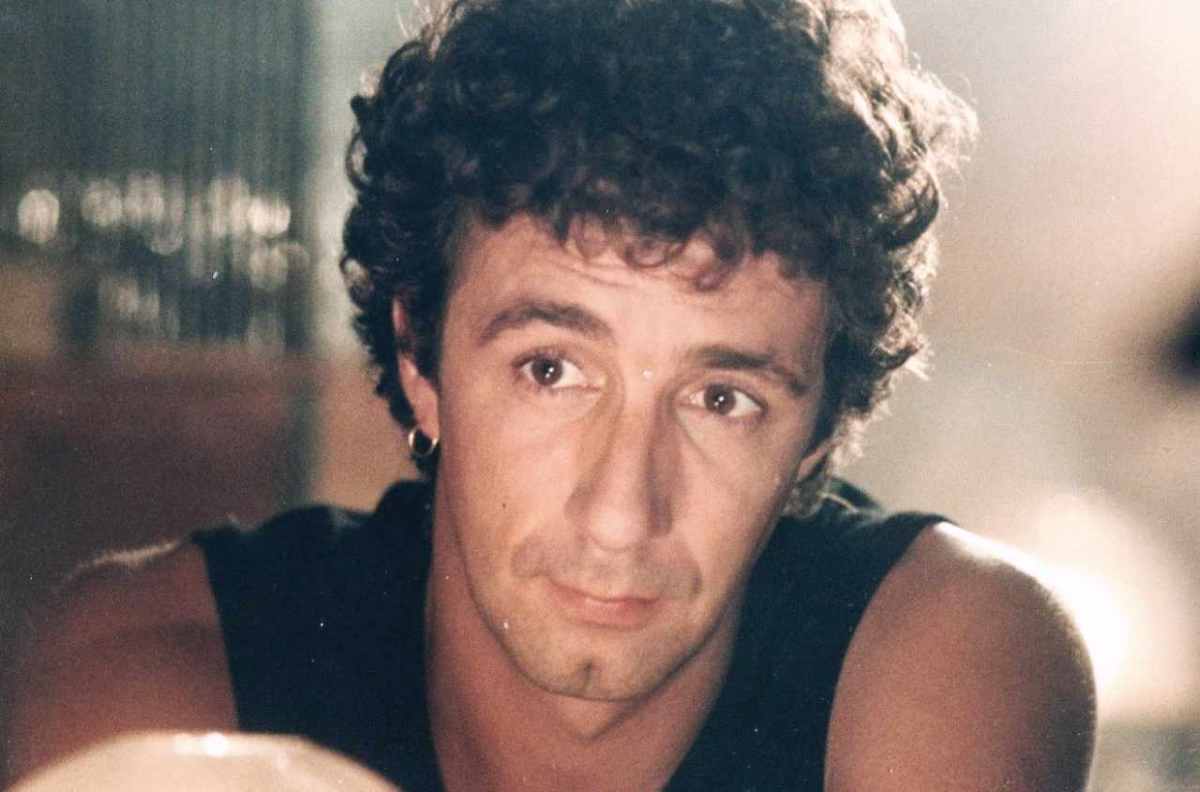
Francesco Nuti, born on May 17, 1955, in Florence, Italy, was a celebrated Italian actor, director, and screenwriter. Known for his distinctive blend of humor, romance, and melancholy, Nuti carved out a unique place in Italian cinema during the 1980s and 1990s. His work often reflected a deep understanding of the human condition, marked by a bittersweet tone that resonated with audiences across generations. This article delves into the life, career, and enduring legacy of Francesco Nuti, exploring the highs and lows of his journey in the world of film and entertainment.
Early Life and Beginnings in Entertainment
Francesco Nuti’s entry into the world of entertainment began in the most unassuming way. As a young student, he started performing as an amateur actor, often writing his own material. His passion for performance and natural comedic talent caught the attention of Alessandro Benvenuti and Athina Cenci, a duo already making waves in the Italian cabaret scene under the name “Giancattivi.” Nuti joined them in 1978, and together, they enjoyed early success in television programs such as “Non Stop” and “Black Out.”
The group’s success culminated in their debut film, Ad ovest di Paperino (1981), directed by Alessandro Benvenuti. The film, which showcased the group’s cabaret repertoire, marked Nuti’s first foray into cinema and set the stage for his solo career. Despite the collaborative nature of the Giancattivi, it soon became clear that Nuti’s ambitions and creative vision were leading him in a different direction.
Solo Success: The Rise of a Star
In 1982, Francesco Nuti decided to part ways with Giancattivi to pursue a solo career. This decision proved to be a pivotal moment in his life. Under the direction of Maurizio Ponzi, Nuti starred in three films that would define his early career: Madonna, che silenzio c’è stasera (1982), Io, Chiara e lo Scuro (1983), and Son contento (1983). Each of these films was a commercial success, but it was Io, Chiara e lo Scuro that truly catapulted Nuti to stardom.
Io, Chiara e lo Scuro is a comedic drama that parodies the classic film The Hustler (1961), starring Paul Newman. In the film, Nuti played the role of a billiards player, a character that became one of his most iconic. His portrayal was a perfect blend of humor and pathos, capturing the essence of his unique style. The success of the film not only established Nuti as a leading actor in Italian cinema but also hinted at his future potential as a filmmaker.
Transition to Directing: A New Chapter
By 1985, Francesco Nuti had decided to take on a new challenge—directing. His directorial debut, Casablanca, Casablanca (1985), was a sequel to Io, Chiara e lo Scuro. In this film, Nuti reprised his role as the billiards player and delivered a gentle homage to the classic film Casablanca (1942). The film was well-received and demonstrated Nuti’s ability to not only act but also craft engaging stories from behind the camera.
Following this success, Nuti continued to direct, write, and star in a series of films that showcased his distinctive style. Films such as Tutta colpa del paradiso (1985), Stregati (1986), and Caruso Pascoski di padre polacco (1988) were characterized by their whimsical romanticism and quirky humor. These films resonated with audiences and solidified Nuti’s reputation as a filmmaker with a unique voice.
One of his most successful films from this period was Donne con le gonne (1991). The film explored the complexities of gender roles and relationships with Nuti’s characteristic blend of comedy and introspection. It was a critical and commercial success, further cementing his status as one of Italy’s leading filmmakers.
Musical Ventures and Personal Struggles
Francesco Nuti’s talents were not limited to acting and directing. In 1988, he made a surprising entry into the music world by participating in the Sanremo Music Festival with the song Sarà per te. Although Nuti was primarily known as an actor and filmmaker, his performance at Sanremo demonstrated his versatility as an artist. The song later gained wider recognition when it was recorded by the legendary Italian singer Mina.
In 1992, Nuti collaborated with the singer Mietta on the duet Lasciamoci Respirare, further showcasing his musical abilities. However, despite these forays into music, it was clear that Nuti’s true passion lay in cinema.
The mid-1990s marked a turning point in Nuti’s career. The ambitious project OcchioPinocchio (1995), which he directed, was a costly and challenging film to produce. Unfortunately, the film did not meet expectations and was a commercial failure. The disappointment of OcchioPinocchio had a profound impact on Nuti, both professionally and personally.
In the years that followed, Nuti struggled with depression and alcohol abuse. These issues took a toll on his career and personal life, leading to a period of decline. Despite these challenges, Nuti made a comeback in 1998 with the film Il signor Quindicipalle, in which he starred alongside Sabrina Ferilli. The film was well-received and marked a brief resurgence in his career.
Later Years and Health Challenges
The late 1990s and early 2000s were a difficult period for Francesco Nuti. Despite his attempts to revive his career with films like Io amo Andrea (1999) and Caruso, zero in condotta (2000), his struggles with mental health and addiction continued to overshadow his work.
In May 2006, Nuti gave a radio interview that revealed the extent of his physical and psychological struggles. His deteriorating health became a matter of public concern, and in September 2006, he was hospitalized after suffering a serious head injury from a domestic accident. The injury resulted in a cranial hematoma, leaving Nuti in critical condition.
Nuti’s health problems persisted, and by 2008, his ex-wife, Annamaria Malipiero, announced that Nuti had been discharged from the hospital but remained in rehabilitation. Sadly, the accident had left Nuti confined to a wheelchair and unable to speak.
Despite his severe disability, Francesco Nuti’s life and career continued to inspire many. In 2010, a documentary titled Francesco Nuti… e vengo da lontano was presented at the Rome Film Festival. The documentary provided a poignant look at Nuti’s life, career, and the challenges he faced following his accident. It served as a tribute to his talent and perseverance, highlighting his enduring influence on Italian cinema.
Death and Legacy
Francesco Nuti passed away on June 12, 2023, at the age of 68. His death marked the end of an era in Italian cinema, but his legacy lives on through his films, which continue to be celebrated for their humor, charm, and emotional depth.
Nuti’s body of work remains a testament to his unique talent as both an actor and filmmaker. His ability to infuse his films with a blend of humor and melancholy, romance and realism, set him apart from his contemporaries. His films from the 1980s and 1990s, in particular, continue to be appreciated by new generations of film enthusiasts.
Francesco Nuti’s life was one of creativity, success, and struggle. He was a multifaceted artist whose contributions to Italian cinema have left a lasting impact. Despite the challenges he faced in his later years, his work continues to inspire and entertain audiences, ensuring that his legacy as one of Italy’s most beloved filmmakers endures.
Conclusion
Francesco Nuti was a remarkable figure in Italian cinema, known for his distinctive blend of comedy, romance, and melancholy. His career was marked by significant successes, as well as personal and professional challenges. Despite the difficulties he faced, Nuti’s contributions to film and entertainment are undeniable. His films continue to resonate with audiences, offering a glimpse into the life and mind of a truly unique artist.
As we remember Francesco Nuti, it is important to celebrate his achievements and recognize the influence he had on Italian culture. His legacy as an actor, director, and musician is one that will continue to inspire future generations, ensuring that his work remains an integral part of Italy’s cinematic heritage.


