
Introduction
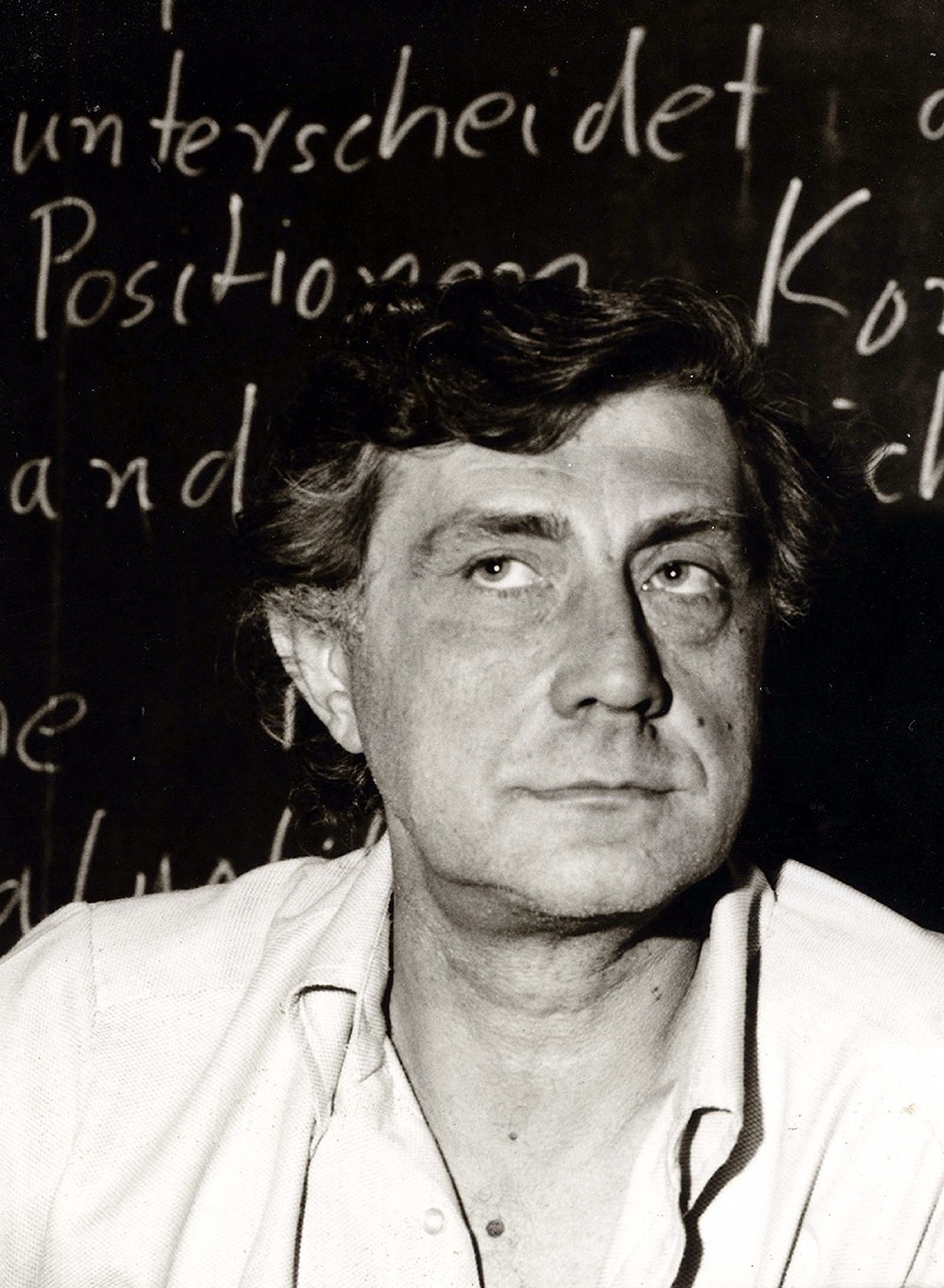
Franco Basaglia, born on March 11, 1924, in Venice, Italy, is widely regarded as the father of modern mental health care. His revolutionary approach to psychiatry transformed the treatment of mental illness in Italy and has had a lasting impact on mental health practices worldwide. This article explores his life, career, and the profound changes he brought to the field of psychiatry.
Early Life and Education
Franco Basaglia was born into a well-off family in Venice. As the middle child among three siblings, he enjoyed a privileged upbringing. He attended a classical high school in Venice before enrolling at the University of Padua, where he graduated in Medicine in 1949. In 1953, Basaglia specialized in “Nervous and Mental Diseases” at the same university, setting the stage for his groundbreaking work in psychiatry.
Personal Life
1953 was a significant year for Basaglia not only professionally but also personally. He married Franca Ongaro, who would become his lifelong collaborator and the mother of his two children. Together, they co-authored several influential books on modern psychiatry, blending their personal and intellectual lives.
Political Involvement and Teaching Career
Basaglia’s progressive views extended beyond psychiatry into politics. He was associated with the Independent Left party and served in the Italian Parliament. His political beliefs were intertwined with his professional ethos, advocating for patient rights and humane treatment in psychiatric care.
Basaglia began his academic career as a professor of psychiatry in 1958. However, his innovative ideas often clashed with the traditional views of his colleagues. His patient-centered approach, which emphasized empathy and humane treatment, was considered radical at the time. This ideological clash eventually led him to leave academia in 1961 and take up the directorship of the psychiatric hospital in Gorizia.
Transforming Psychiatric Care in Gorizia
The psychiatric hospital in Gorizia was a conventional asylum, notorious for its inhumane conditions. Basaglia’s arrival marked the beginning of a revolution. He abolished electroshock therapy and introduced a more humane approach to patient care. His methods emphasized dialogue and moral support over purely pharmacological treatments.
The groundbreaking changes implemented at Gorizia were chronicled in his seminal book, “L’istituzione negata. Rapporto da un ospedale psichiatrico” (The Institution Denied: Report from a Psychiatric Hospital), published in 1967. This work highlighted the oppressive nature of traditional psychiatric institutions and advocated for their reform.
Expansion of Influence: Colorno and Trieste
Following his success in Gorizia, Basaglia was appointed director of psychiatric hospitals in Colorno and later in Trieste. In these roles, he continued to implement and refine his revolutionary approach to mental health care. His efforts culminated in the establishment of the Democratic Psychiatry movement in 1973, which was inspired by the anti-psychiatry movement in the UK that gained momentum following the 1968 protests.
The Law 180: The Basaglia Law
Basaglia’s most significant achievement was the enactment of Law 180 in 1978, also known as the Basaglia Law. This legislation mandated the closure of psychiatric hospitals and the establishment of community-based mental health services. The law marked a radical departure from the previous system, which isolated patients in asylums. Instead, it promoted their reintegration into society and ensured their right to receive treatment in more humane conditions.
Law 180 fundamentally transformed the Italian mental health system and served as a model for mental health reforms worldwide. It emphasized the dignity and rights of individuals with mental health issues, fostering a more compassionate approach to their care.
Philosophical and Theoretical Foundations
Basaglia’s approach to psychiatry was deeply rooted in phenomenological and existential philosophies. He rejected the positivistic approach of traditional medicine, which often dehumanized patients by reducing them to mere objects of study. Instead, Basaglia advocated for a more holistic understanding of mental illness, one that recognized the patient’s subjective experience and the social context of their condition.
His ideas were influenced by existentialist thinkers like Jean-Paul Sartre and phenomenologists like Maurice Merleau-Ponty. These philosophical underpinnings shaped his belief that mental health care should focus on the individual’s lived experience and that the therapeutic relationship should be based on empathy and mutual respect.
Challenges and Opposition
Basaglia’s revolutionary ideas were met with significant resistance from the established psychiatric community. Many of his contemporaries viewed his methods as dangerously radical and impractical. Despite this opposition, Basaglia remained steadfast in his beliefs, driven by his commitment to improving the lives of those with mental health issues.
His work was not without challenges. Implementing Law 180 and closing psychiatric hospitals required a significant restructuring of the mental health care system. There were practical difficulties in establishing community-based services and ensuring that patients received adequate care. However, Basaglia’s perseverance and the dedication of his supporters gradually overcame these obstacles.
Legacy and Impact
Franco Basaglia passed away on August 29, 1980, in Venice due to a brain tumor. His legacy, however, continues to influence mental health care practices worldwide. He is remembered as a pioneer who challenged the status quo and advocated for a more humane and ethical approach to psychiatry.
Basaglia’s work laid the foundation for modern mental health care, emphasizing the importance of patient rights, community-based services, and the humane treatment of individuals with mental health issues. His ideas have inspired countless mental health professionals and have been incorporated into mental health policies and practices globally.
Honors and Recognition
Franco Basaglia received numerous accolades for his contributions to psychiatry. He was awarded the title of Cavaliere and later Ufficiale of the Order of Merit of the Italian Republic, reflecting his significant impact on Italian society. His work continues to be celebrated and studied, with numerous books, articles, and documentaries dedicated to his life and achievements.
Conclusion
Franco Basaglia’s life and work represent a monumental shift in the field of psychiatry. From his early days as a student in Venice to his transformative work in Gorizia, Colorno, and Trieste, Basaglia consistently championed the rights and dignity of individuals with mental health issues. His legacy is one of compassion, innovation, and a relentless pursuit of a more humane and ethical approach to mental health care.
As we continue to build on his foundational work, Basaglia’s influence remains evident in modern mental health practices. His emphasis on empathy, patient rights, and community-based care continues to inspire and guide mental health professionals worldwide. Franco Basaglia’s contributions to psychiatry have left an indelible mark, ensuring that his pioneering spirit and revolutionary ideas will be remembered and celebrated for generations to come.


