
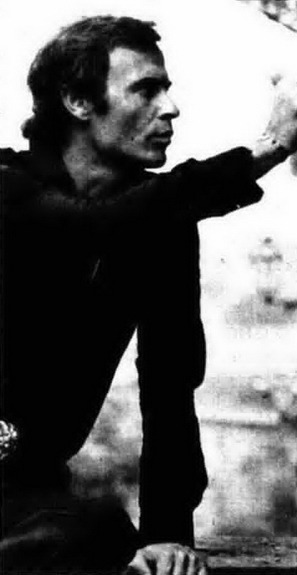
Franco Califano, born on September 14, 1938, in Tripoli, Libya, and later naturalized as an Italian, was one of the most iconic figures in Italian music and literature. Known for his profound lyricism, artistic sensibility, and a life marked by both creative genius and personal turmoil, Califano earned his place in the annals of Italian cultural history. His journey from the streets of Rome to becoming a celebrated songwriter, poet, and philosopher of the everyday man is a story worth telling.
Early Life and the Making of a Poet
Califano’s early life was shaped by an array of challenges that would later color his artistic expression. Born in Tripoli during the Italian colonization of Libya, he was brought to Italy at a young age, where he grew up in the rough-and-tumble neighborhood of Trastevere, Rome. His childhood, marked by the hardships and raw realities of urban life, imbued him with a deep understanding of the human condition. This early exposure to life’s adversities profoundly influenced his work, infusing his lyrics with a unique blend of melancholy, wisdom, and street-smart philosophy.
Califano’s sensitivity to the world around him, combined with his keen observational skills, allowed him to channel his experiences into his music. He quickly became a voice for those who lived on the fringes of society, translating their struggles and hopes into songs that resonated with a wide audience.
The Rise to Fame: A Lyricist of Unmatched Depth
Franco Califano’s career as a songwriter took off in the 1960s and 1970s, a period that saw him collaborate with some of Italy’s most famous artists. His songwriting credits include over 1,000 songs, many of which became hits for other artists. Notably, he penned “La musica è finita” and “Una ragione di più” for Ornella Vanoni, and “Minuetto” for Mia Martini—songs that are now considered classics of Italian pop music.
Califano’s lyrics often explored themes of love, loss, and existential reflection, earning him a reputation as the “Prevert of Trastevere,” a reference to the French poet Jacques Prévert. His ability to capture the essence of human emotions in a few well-chosen words set him apart from his contemporaries. His songs were not just popular tunes; they were poetic expressions that spoke to the soul, encapsulating the bittersweet nature of life.
A Philosopher of the Streets
Beyond his musical achievements, Franco Califano was also known for his philosophical musings, which often found their way into his lyrics. His work reflected a deep understanding of life’s complexities, from the mundane to the profound. This intellectual depth did not go unnoticed; in fact, Califano was awarded an honorary degree in Philosophy by New York University, a testament to his impact as a thinker as much as a musician.
Califano’s philosophy was one of lived experience. He wrote from the heart, drawing on his own life’s ups and downs—relationships, heartbreaks, and existential musings. This authenticity made his work relatable to many and ensured his lasting legacy in Italian culture. His famous phrase “Tutto il resto è noia” (Everything else is boring) became a sort of cultural shorthand in Italy, capturing the essence of his worldview—one that prioritized passion, intensity, and the raw beauty of life over superficiality.
Literary Contributions and Personal Writings
In addition to his music, Franco Califano also made significant contributions to Italian literature. His foray into writing produced works that were as introspective and revealing as his songs. Among his notable publications are the poetry collection “Voglia di vivere, voglia di morire” and autobiographical books like “Soli fino al capolinea” and “Il cuore nel sesso.” These works delve into the intricacies of his life and thoughts, offering readers a glimpse into the mind of a man who lived fully and loved deeply.
Califano’s literary works, much like his music, are steeped in the themes of love, death, and the search for meaning. They reflect his personal journey through life, marked by moments of intense joy and deep sorrow. His writing style is direct and unflinching, much like the man himself, and continues to resonate with readers who find solace and inspiration in his words.
Cultural Impact and Rebirth in Popular Culture
Even after his death, Franco Califano’s influence on Italian culture remains strong. His songs have been covered and reinterpreted by new generations of artists, keeping his legacy alive. In 2001, the Italian pop group Delta V recorded a version of his song “Un’estate fa,” which became a hit and introduced Califano’s work to a younger audience. Similarly, the Italian showman Fiorello’s popular impersonations of Califano brought his persona back into the limelight, demonstrating his enduring appeal across different media.
Califano’s ability to connect with audiences, regardless of the era, is a testament to the timeless nature of his work. His songs, with their rich lyrical content and emotional depth, continue to speak to people, offering comfort, wisdom, and a sense of shared experience.
The Later Years: Struggles and Triumphs
As with many artists of his caliber, Franco Califano’s life was not without its share of struggles. In the latter part of his career, he faced financial difficulties and health issues that threatened to overshadow his achievements. However, Califano remained resilient, continuing to perform and create music despite these challenges.
In 2005, he made a notable comeback by participating in the 55th edition of the Sanremo Music Festival with the song “Non escludo il ritorno” (I Don’t Rule Out a Return). The song, which reflects on themes of departure and return, was emblematic of Califano’s life—one marked by constant reinvention and a refusal to give up, even in the face of adversity.
The following year, he participated in the reality TV show “Music Farm,” further demonstrating his willingness to adapt to new formats and remain relevant in an ever-changing entertainment landscape. These later projects showcased Califano’s enduring talent and his ability to connect with audiences, even as he entered the twilight years of his career.
The Final Curtain: Legacy of Franco Califano
Franco Califano passed away on March 30, 2013, at the age of 74, in his home in Acilia, a suburb of Rome. His death marked the end of an era, but his influence on Italian music and culture continues to be felt. Califano’s work remains a cornerstone of Italian songwriting, and his songs continue to be celebrated for their lyrical beauty and emotional depth.
Califano’s legacy is one of passion, creativity, and a deep understanding of the human experience. His ability to translate complex emotions into simple, yet powerful lyrics made him one of Italy’s most beloved songwriters. He was a man who lived life on his own terms, and his work reflects that authenticity. For those who knew him, and for those who continue to discover his music, Franco Califano will always be remembered as the “Califfo”—a poet, philosopher, and eternal romantic.
Conclusion: The Enduring Appeal of Franco Califano
Franco Califano’s life and work offer a rich tapestry of experiences, emotions, and insights. From his early days in Trastevere to his final years, Califano remained true to his vision as an artist and a storyteller. His songs continue to resonate with audiences, offering a window into the soul of a man who understood the complexities of life and love.
As we look back on his contributions to music and literature, it’s clear that Franco Califano was more than just a songwriter—he was a cultural icon who captured the spirit of his times. His work will continue to inspire future generations, ensuring that the legacy of the “Califfo” lives on.


