
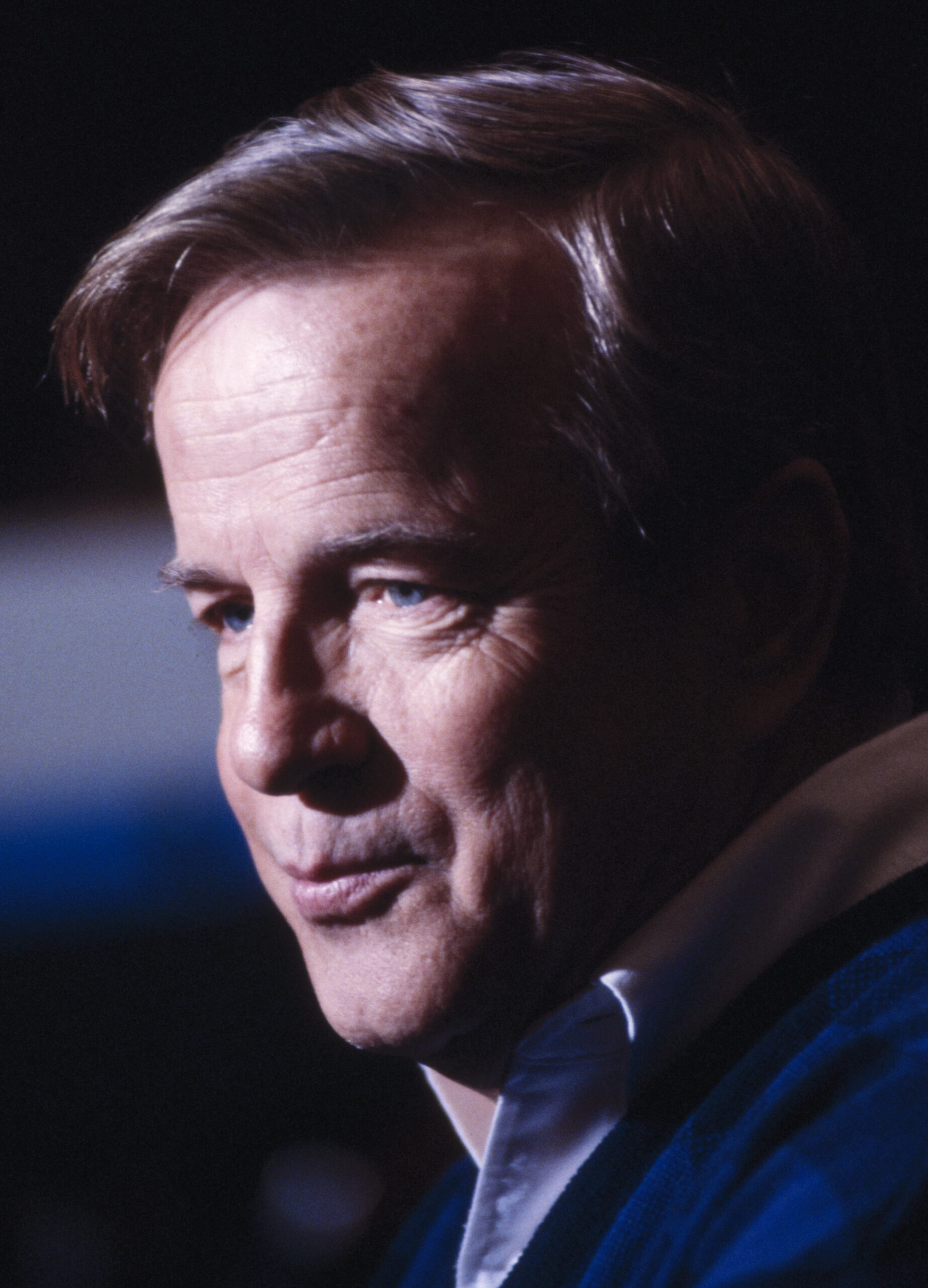
Franco Zeffirelli, born Gian Franco Corsi Zeffirelli on February 12, 1923, in Florence, Italy, was an iconic Italian film and opera director known for his opulent and romantic adaptations of classical works. His career spanned several decades, and his contributions to cinema, opera, and theater have left an indelible mark on the world of arts and culture. Zeffirelli’s work is characterized by its grandeur, emotional depth, and meticulous attention to detail, making him one of the most revered directors of his time.
Early Life and Artistic Formation
Franco Zeffirelli was born into a complicated family situation. His mother, who had an affair with a married man, gave him the surname “Zeffiretti” inspired by an aria from Mozart’s opera Cosi Fan Tutte. However, due to a clerical error, his surname was registered as “Zeffirelli.” Growing up in Florence, a city steeped in art and culture, Zeffirelli developed an early interest in the arts, particularly in theater and opera.
Zeffirelli studied at the Accademia di Belle Arti in Florence, where he initially pursued a degree in architecture. However, his passion for the performing arts soon led him to the world of theater. After World War II, Zeffirelli began working at Radio Firenze, where he gained experience in acting and production. This exposure fueled his desire to pursue a career in directing.
Zeffirelli’s early career was significantly influenced by his work as an assistant to some of Italy’s greatest directors, including Luchino Visconti, Michelangelo Antonioni, and Roberto Rossellini. His collaboration with Visconti was particularly formative, as it allowed him to develop his style and vision as a director. During this period, Zeffirelli also began to cultivate his skills in set design and stage direction, which would later become hallmarks of his directorial style.
Theatrical and Operatic Achievements
Zeffirelli’s career as a director took off in the late 1940s when he made his debut in theater. His first major success came with the production of Lulù in 1949. This was followed by numerous other productions, both in Italy and abroad, where Zeffirelli quickly gained a reputation for his innovative and visually stunning interpretations of classic works.
One of Zeffirelli’s most significant contributions to the world of theater and opera was his ability to make these art forms accessible to broader audiences. His productions were known for their lavish sets, detailed costumes, and dynamic staging, which brought a new level of realism and emotional intensity to the performances. His work in opera is particularly noteworthy; he directed some of the most memorable productions of the 20th century, including La Traviata with Maria Callas and Lucia di Lammermoor with Joan Sutherland.
Zeffirelli’s approach to opera was marked by his deep respect for the music and the original librettos, combined with his talent for creating visually arresting spectacles. His productions often emphasized the human drama at the heart of the operas, bringing out the emotional and psychological complexities of the characters. This approach not only delighted traditional opera-goers but also attracted new audiences to the art form.
Transition to Film and Cinematic Masterpieces
Zeffirelli made his transition to film in the late 1950s, bringing his theatrical sensibilities to the silver screen. His first film, Camping (1958), a romantic comedy, was a modest beginning that did not hint at the grandeur that would characterize his later work. However, it was in the 1960s that Zeffirelli began to make his mark in the world of cinema.
In 1967, Zeffirelli directed The Taming of the Shrew, a vibrant adaptation of William Shakespeare’s play, starring Elizabeth Taylor and Richard Burton. The film was a critical and commercial success, showcasing Zeffirelli’s ability to translate the energy and dynamism of the stage to film. This was followed by what many consider his magnum opus, Romeo and Juliet (1968). Zeffirelli’s adaptation of Shakespeare’s tragic love story was revolutionary; it featured young actors Leonard Whiting and Olivia Hussey in the titular roles, bringing a youthful and passionate authenticity to the story.
Romeo and Juliet was not only a box-office hit but also received critical acclaim, earning Zeffirelli an Academy Award nomination for Best Director. The film’s lush cinematography, historical accuracy in costumes and settings, and the tender portrayal of the doomed lovers captured the hearts of audiences worldwide. The film remains one of the most celebrated adaptations of Shakespeare and solidified Zeffirelli’s reputation as a master director.
Zeffirelli continued to explore literary adaptations with his 1972 film Fratello Sole, Sorella Luna (Brother Sun, Sister Moon), a biographical film about the life of Saint Francis of Assisi. The film, which focused on the early life of the saint and his transition from a life of privilege to one of poverty and spirituality, reflected Zeffirelli’s interest in religious and historical themes. Although the film received mixed reviews, it was praised for its visual beauty and earnest portrayal of faith.
Religious Themes and “Jesus of Nazareth”
One of Zeffirelli’s most ambitious and enduring works was Jesus of Nazareth (1977), a television miniseries that depicted the life of Jesus Christ. The series was a massive undertaking, with an international cast that included Robert Powell as Jesus, Olivia Hussey, and Laurence Olivier. Zeffirelli’s portrayal of Christ was notable for its emphasis on his humanity, showing Jesus as a compassionate and gentle figure, rather than a distant religious icon.
Jesus of Nazareth was acclaimed for its faithful adaptation of the Gospels and its high production values. The series was a global success, and it became a staple of Easter television programming for years to come. Zeffirelli’s depiction of Jesus had a profound impact on audiences and is still regarded as one of the most authentic and reverent portrayals of Christ in film.
Later Career: Opera, Theater, and Film
Throughout the 1980s and 1990s, Zeffirelli continued to work in both film and theater, remaining a prominent figure in the world of opera. In 1986, he returned to Shakespeare with The Tragedy of Othello: The Moor of Venice, followed by Hamlet (1990), starring Mel Gibson and Glenn Close. Both films were marked by Zeffirelli’s characteristic attention to detail, grand visual style, and a focus on the emotional core of the characters.
Zeffirelli also directed adaptations of classic literature, including Jane Eyre (1996), which featured an acclaimed performance by Charlotte Gainsbourg. In addition to his work in film, Zeffirelli continued to direct opera productions around the world, earning accolades for his commitment to the art form.
In the realm of theater, Zeffirelli’s productions were celebrated for their opulence and fidelity to the source material. His staging of Verdi’s Aida and other operas are still remembered as some of the most visually spectacular productions in the history of the genre.
Personal Life and Legacy
Franco Zeffirelli’s personal life was as complex and vibrant as his professional career. Openly gay in a time when homosexuality was not widely accepted, Zeffirelli navigated the challenges of his personal life with the same grace and resilience that characterized his work. He was known for his charm, wit, and his unwavering dedication to the arts.
Zeffirelli’s contributions to cinema, opera, and theater have left a lasting legacy. His ability to bring classical works to life with a modern sensibility made him a bridge between the past and the present, introducing new generations to the beauty of Shakespeare, Verdi, and other great artists. His films continue to be studied and admired for their craftsmanship, emotional depth, and visual splendor.
In recognition of his contributions to the arts, Zeffirelli received numerous awards and honors throughout his life, including several Academy Award nominations. His work has influenced countless directors, and his productions are still celebrated in opera houses and theaters around the world.
Franco Zeffirelli passed away in Rome on June 15, 2019, at the age of 96. His death marked the end of an era in Italian cinema and theater, but his work continues to inspire and captivate audiences.
Conclusion
Franco Zeffirelli was a visionary director whose work transcended the boundaries of cinema, opera, and theater. His dedication to the arts, his passion for storytelling, and his ability to blend historical authenticity with emotional resonance made him one of the most influential figures in the world of entertainment. From his groundbreaking adaptations of Shakespeare to his reverent portrayal of religious figures, Zeffirelli’s legacy is one of beauty, passion, and an enduring love for the arts.


