
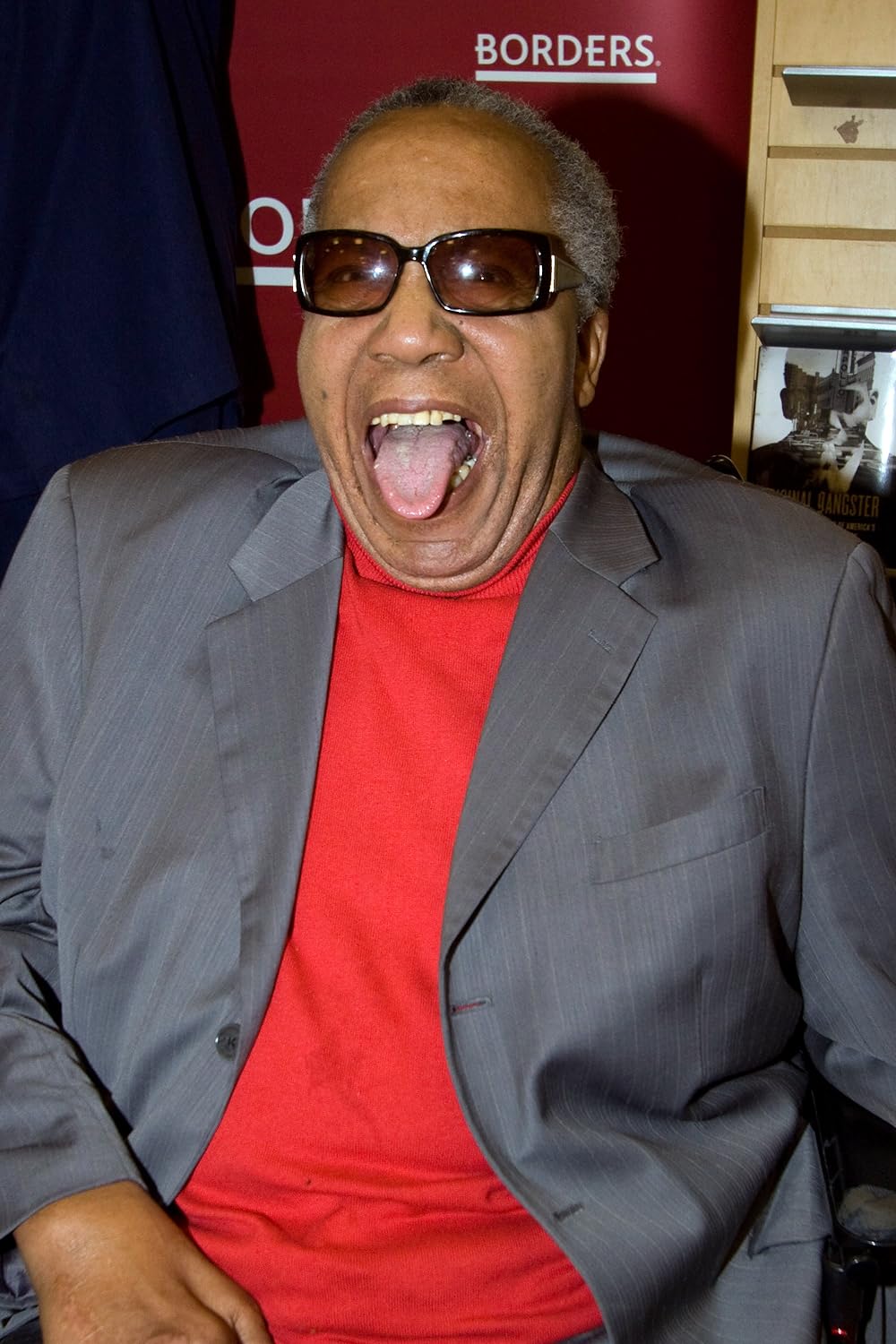
Frank Lucas, born on September 9, 1930, in La Grange, Lenoir County, North Carolina, is a name that resonates deeply within the annals of American crime history. Best known as one of the most notorious drug lords of the 20th century, Lucas’s life is a compelling tale of crime, ambition, betrayal, and redemption. His story, immortalized in the 2007 film American Gangster directed by Ridley Scott, where Denzel Washington portrays Lucas, offers a glimpse into the underworld of Harlem during the late 1960s and 1970s.
Early Life and Harlem’s Underworld
Frank Lucas’s journey to infamy began in the rural landscapes of North Carolina. Born into poverty during the Great Depression, Lucas’s early life was marked by economic hardship, racism, and limited opportunities. By the age of 16, seeking a better life, he moved to Harlem, New York, where he quickly became immersed in the local criminal scene. Harlem, at that time, was a hotbed of organized crime, with various factions vying for control over the lucrative drug trade.
Lucas found a mentor in Ellsworth “Bumpy” Johnson, one of Harlem’s most powerful and respected gangsters. Initially working as Johnson’s driver and bodyguard, Lucas learned the intricacies of the drug trade and the operations of the underworld. Bumpy Johnson, who controlled the heroin trade in Harlem, was not only a mentor but a father figure to Lucas, instilling in him the strategies that would later help Lucas build his own empire.
Building an Empire: The Rise of “Blue Magic”
The death of Bumpy Johnson in 1968 left a power vacuum in Harlem’s underworld. Frank Lucas, with his sharp mind and ruthless ambition, seized the opportunity to take over Johnson’s operations. However, unlike his predecessor, Lucas had a vision that went beyond the traditional methods of drug trafficking that relied heavily on middlemen and corrupt officials. He revolutionized the drug trade by eliminating intermediaries, choosing instead to source heroin directly from Southeast Asia.
Lucas’s approach was groundbreaking. He established a direct connection with producers in the Golden Triangle, specifically in the jungles of Vietnam, Laos, and Thailand. By bypassing the traditional distribution networks, Lucas was able to purchase heroin at a fraction of the cost and sell it on the streets of Harlem at highly competitive prices. His product, branded as “Blue Magic,” was renowned for its purity, often 98% pure, compared to the diluted versions sold by his competitors.
The success of “Blue Magic” made Frank Lucas incredibly wealthy, with reports suggesting that at the height of his power, he was earning up to $1 million per day. His operations were meticulously organized, with a trusted network of family members, known as “The Country Boys,” managing various aspects of the business. This tight-knit organization helped Lucas maintain control over his empire, avoiding the pitfalls that had brought down many other crime bosses.
The “Cadaver Connection” and Law Enforcement’s Pursuit
One of the most infamous aspects of Frank Lucas’s operation was the so-called “Cadaver Connection.” This method involved smuggling heroin into the United States by hiding it in the coffins of deceased American soldiers returning from the Vietnam War. This strategy not only demonstrated Lucas’s cunning but also the extent of corruption within the military and law enforcement at the time.
However, Lucas’s success attracted the attention of law enforcement. Richie Roberts, an incorruptible detective with the New York Police Department’s Special Investigations Unit (SIU), became determined to bring Lucas to justice. Unlike many of his colleagues who were on the take, Roberts was relentless in his pursuit of Lucas, recognizing the devastating impact the drug trade was having on communities in Harlem and beyond.
In 1975, after years of investigation, Frank Lucas was finally arrested. The trial that followed exposed the widespread corruption within the NYPD, with more than half of the SIU’s members either indicted or convicted. Lucas’s empire crumbled, and he was sentenced to 70 years in prison. However, in a surprising turn of events, Lucas agreed to cooperate with authorities, providing information that led to the conviction of numerous corrupt officials. As a result, his sentence was reduced to just five years.
Life After Prison: Redemption and Legacy
After serving his reduced sentence, Frank Lucas was released from prison in 1981. However, his freedom was short-lived. In 1984, he was arrested again for drug trafficking, though on a much smaller scale compared to his previous operations. This time, Lucas served seven more years behind bars. When he was released in 1991, his life had taken a dramatic turn.
Richard “Richie” Roberts, the very detective who had once pursued Lucas, had by then become a lawyer. In a remarkable twist of fate, Roberts became Lucas’s legal defender, and the two men developed an unlikely friendship. Roberts even became the godfather to Lucas’s son, a testament to the complexities and ironies that often characterize real-life stories of crime and redemption.
In his later years, Frank Lucas expressed deep regret for the lives he had destroyed through his drug empire. He spent his final years in Newark, New Jersey, confined to a wheelchair due to various health issues. Lucas devoted himself to charity work, particularly through the organization “Yellow Brick Roads,” founded by his daughter. This organization focused on helping the children of incarcerated parents, a cause that resonated deeply with Lucas, given his own experiences.
Historical Context and Impact on Popular Culture
Frank Lucas’s life and career must be understood within the broader historical context of post-World War II America. The 1960s and 1970s were decades of immense social upheaval in the United States. The Civil Rights Movement had brought significant changes, but the inner cities, particularly areas like Harlem, were still grappling with poverty, racial tension, and systemic injustice. The Vietnam War, which played a pivotal role in Lucas’s drug trafficking operations, was a conflict that deeply divided the nation and had far-reaching consequences, including the rise of the drug trade.
Lucas’s story also highlights the pervasive corruption within law enforcement during this period. His ability to operate such a large-scale drug trafficking operation, often with the complicity of corrupt officials, speaks to the challenges that the American justice system faced in combating organized crime. The revelations that came to light during Lucas’s trial helped to spark reforms within the NYPD and other law enforcement agencies.
Frank Lucas’s life has had a lasting impact on popular culture, most notably through the film American Gangster. Directed by Ridley Scott and starring Denzel Washington as Lucas and Russell Crowe as Richie Roberts, the film brought Lucas’s story to a global audience. The movie was praised for its gritty portrayal of the drug trade and the moral ambiguities that often surround the pursuit of justice. It also served as a reminder of the human cost of the drug epidemic, a crisis that continues to affect communities across the United States.
Conclusion
Frank Lucas’s story is a complex and multifaceted tale of ambition, crime, and eventual redemption. From his humble beginnings in North Carolina to his rise as one of the most powerful drug lords in Harlem, Lucas’s life is a reflection of the American Dream gone awry. His ability to innovate within the criminal underworld, his ruthless pursuit of power, and his eventual downfall offer important lessons about the nature of crime, the potential for change, and the enduring impact of one’s actions on society.
Today, Frank Lucas is remembered not only for his criminal exploits but also for his efforts to make amends for his past. His life serves as a cautionary tale about the dangers of the drug trade and the complexities of justice. As we continue to grapple with issues of crime, corruption, and redemption, the story of Frank Lucas remains as relevant as ever, offering valuable insights into the challenges that society faces in the pursuit of justice and the possibility of redemption.


