
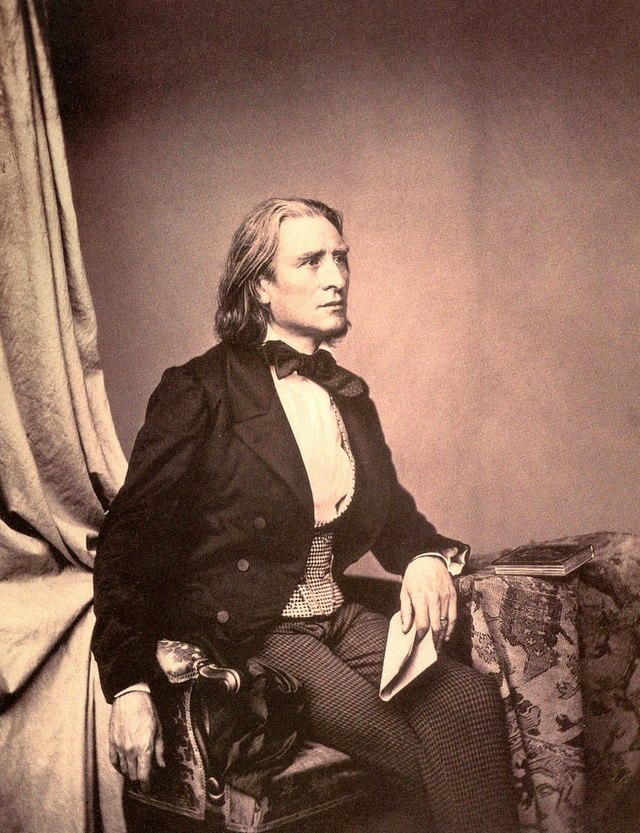
Franz Liszt, born on October 22, 1811, in Doborján (now Raiding), Hungary, stands as one of the most influential figures in classical music history. His unparalleled virtuosity on the piano and his innovative compositions have cemented his legacy as a true musical genius. In this exploration of Liszt’s life, we will delve into his age, rise to fame, and significant achievements, providing a comprehensive view of his contributions to music and his impact on the cultural landscape.
Early Life and Education
Franz Liszt was born into a family of modest means, with his father, Adam Liszt, serving as a functionary for the wealthy Esterházy family. His early musical education began with his father, who recognized his prodigious talent. At just nine years old, Liszt was already displaying extraordinary skill on the piano, prompting the family to move to Vienna. There, he studied composition under the guidance of Antonio Salieri and piano with Carl Czerny, two prominent figures in the musical world of the time.
In 1823, Liszt’s journey took him to Paris, where he continued his studies in theory and composition under the tutelage of Francesco Paer. However, his application to the Paris Conservatory was rejected by Luigi Cherubini, a setback that did not deter his burgeoning career. By 1825, Liszt was making waves as a pianist, performing for the English royal family and completing his only opera, “Don Sanche,” which premiered in Paris.
Rise to Fame
Liszt’s rise to fame was meteoric. His virtuosity on the piano captivated audiences across Europe, and his tours through France and Switzerland established him as a leading performer of his time. By 1828, Liszt had settled in Paris, where he began teaching music and composing prolifically. Despite experiencing personal setbacks, including a troubled affair with Caroline de Saint-Cricq, Liszt’s professional life flourished. He became a key figure in the musical circles of Paris, attending significant events such as the premiere of Hector Berlioz’s “Symphonie Fantastique.”
The 1830s and 1840s were marked by significant personal and professional milestones. Liszt’s relationships with influential figures like the Countess Marie d’Agoult and George Sand shaped his life and work. His relationship with d’Agoult resulted in two children, Blandine and Cosima, and his composition output included masterpieces like the “12 Grand Études.” Liszt’s duel with fellow pianist Sigismond Thalberg further solidified his reputation as a virtuoso.
Innovations and Artistic Achievements
Liszt’s contributions to music extended beyond his performance skills. His compositions reflect a deep understanding of musical form and innovation. He was a trailblazer in the development of the symphonic poem, a form that allows for greater expressive freedom compared to traditional symphonies. Notable works from this period include “Les Préludes” and “Mazeppa,” which showcased his ability to evoke vivid imagery through music.
His innovative approach to harmony and melody also set him apart from his contemporaries. Liszt’s “Bagatelle sans tonalité” is an early example of atonal music, predating Arnold Schoenberg’s work by several decades. His exploration of chromaticism and unconventional tonal structures paved the way for future developments in music.
Liszt’s involvement with Richard Wagner, one of the most influential composers of the 19th century, marked a significant chapter in his life. Their collaboration and Liszt’s support of Wagner’s operatic innovations demonstrated his commitment to the idea of “Gesamtkunstwerk” or total art work. Liszt’s correspondence with Wagner reveals a profound intellectual and emotional connection, further enhancing his status as a key figure in the musical world.
Later Life and Legacy
As Liszt’s career progressed, he faced both personal and professional challenges. The death of his son Daniel in 1859 deeply affected him, and his later years were marked by a focus on sacred music. His compositions during this period include the “Missa Choralis” and “Christus,” reflecting his growing interest in spirituality.
In 1870, Liszt’s daughter Cosima married Wagner, and Liszt’s relationship with Wagner became strained. Despite this, Liszt continued to compose and perform, receiving accolades and honors across Europe. His final years were spent traveling, performing, and receiving recognition from various dignitaries, including Queen Victoria and Claude Debussy.
Liszt’s death on July 31, 1886, in Bayreuth, Germany, marked the end of an era. His impact on music remains profound, with his contributions to piano technique, composition, and musical innovation continuing to influence generations of musicians.
Conclusion
Franz Liszt’s life was a tapestry of brilliance, innovation, and personal struggles. From his early days as a prodigious child pianist to his status as a revolutionary composer, Liszt’s contributions to music are immeasurable. His ability to push the boundaries of musical form and his dedication to both performance and composition have secured his place as one of the greatest figures in the history of classical music.
As we reflect on Liszt’s legacy, it is clear that his influence extends far beyond his own time, shaping the course of music and inspiring countless musicians to explore new horizons.


