
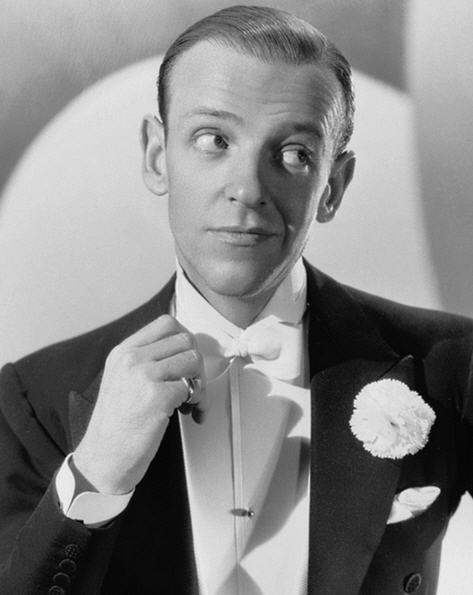
Fred Astaire, born Frederick Austerlitz on May 10, 1899, in Omaha, Nebraska, is an iconic figure in the world of dance, film, and entertainment. Renowned for his unparalleled talent and charismatic presence, Astaire revolutionized the art of dance on screen and stage. This article explores Astaire’s life, his rise to fame, and the significant milestones of his illustrious career, providing detailed insights and historical context.
Early Life and Introduction to Dance
Fred Astaire was born to Johanna “Ann” and Frederic “Fritz” Austerlitz, Austrian immigrants who settled in the United States. His early life was marked by a close relationship with his older sister, Adele, who would become his first dance partner. The siblings began their dance training at a young age, attending the Alvienne School of Dance and the Ned Wayburn School of Dancing in New York City.
Astaire’s fascination with dance was evident from an early age. By the time he was five, he and Adele had started performing professionally. Their mother played a significant role in managing their early careers, ensuring they received the best training and opportunities available.
Rise to Fame on Broadway
Fred and Adele’s big break came when they joined the vaudeville circuit, a popular entertainment form in the early 20th century. Their exceptional talent and chemistry as a duo quickly caught the attention of Broadway producers. In 1917, they made their Broadway debut in the musical “Over the Top,” which was followed by a series of successful shows.
The Astaire siblings became a sensation on Broadway, starring in several hit musicals, including “Lady, Be Good!” (1924), “Funny Face” (1927), and “The Band Wagon” (1931). These performances established them as the premier dance duo of their time, combining intricate choreography with effortless charm. Fred’s innovative dance style, characterized by its fluidity and elegance, began to gain widespread acclaim.
Transition to Hollywood
Adele’s marriage to Lord Charles Cavendish in 1932 led to the end of the sibling dance partnership, prompting Fred Astaire to pursue a solo career in Hollywood. His transition to the silver screen was seamless, as his talent and charisma quickly won over movie audiences.
Astaire’s first significant film role came in 1933 with “Dancing Lady,” where he appeared alongside Joan Crawford and Clark Gable. However, it was his pairing with Ginger Rogers in “Flying Down to Rio” (1933) that catapulted him to stardom. The duo’s on-screen chemistry and mesmerizing dance routines made them an instant hit, leading to a series of successful films together.
The Astaire-Rogers Partnership
Fred Astaire and Ginger Rogers became one of the most celebrated dance duos in film history. They starred in ten films together, including classics like “The Gay Divorcee” (1934), “Top Hat” (1935), “Swing Time” (1936), and “Shall We Dance” (1937). Their partnership set new standards for dance in cinema, blending sophisticated choreography with compelling storytelling.
The duo’s performances were characterized by their synchronicity, grace, and the effortless manner in which they executed complex dance sequences. Astaire’s choreography often integrated elements of tap, ballroom, and classical dance, creating a unique and timeless style. Despite their different backgrounds and approaches to dance, Astaire and Rogers complemented each other perfectly, leaving an indelible mark on Hollywood.
Solo Career and Continued Success
Even after his partnership with Ginger Rogers ended, Fred Astaire continued to enjoy a prolific career. He starred in numerous successful films throughout the 1940s and 1950s, often pairing with other leading ladies like Rita Hayworth, Judy Garland, and Cyd Charisse. Notable films from this period include “Easter Parade” (1948), “Royal Wedding” (1951), “The Band Wagon” (1953), and “Funny Face” (1957).
Astaire’s versatility as a performer was evident in his ability to adapt to different dance styles and partners. His collaborations with choreographers like Hermes Pan and directors like Vincente Minnelli resulted in some of the most memorable dance sequences in film history. Astaire’s dedication to his craft and his innovative approach to choreography set him apart as a true pioneer in the art of dance.
Contributions to Dance and Choreography
Fred Astaire’s influence on dance extended beyond his performances. He was a meticulous choreographer, often working closely with his partners and directors to create seamless and visually stunning dance sequences. Astaire’s choreography was known for its precision, musicality, and the integration of dance into the narrative structure of films.
One of Astaire’s most significant contributions was his ability to elevate dance from mere entertainment to an integral part of storytelling. He believed that dance should advance the plot and develop characters, a philosophy that influenced countless filmmakers and choreographers. Astaire’s innovative techniques, such as the use of continuous take and the incorporation of props, revolutionized the way dance was filmed and presented on screen.
Personal Life and Legacy
Fred Astaire’s personal life was marked by dedication to his family and his craft. He married Phyllis Potter in 1933, and they remained together until her death in 1954. The couple had two children, Fred Jr. and Ava. In 1980, Astaire married Robyn Smith, a former jockey, reflecting his continued zest for life even in his later years.
Astaire’s contributions to the entertainment industry were recognized with numerous accolades, including an honorary Academy Award in 1950 for his unique artistry and contributions to the musical film genre. Despite his legendary status, Astaire remained humble and dedicated to his work, always striving for perfection.
Historical Context and Cultural Impact
Fred Astaire’s career spanned several decades, during which he witnessed significant changes in the entertainment industry. His work bridged the gap between the vaudeville era and the golden age of Hollywood, influencing generations of dancers and filmmakers. Astaire’s ability to adapt to new trends and technologies, while maintaining his distinctive style, ensured his relevance and enduring appeal.
Astaire’s impact on popular culture extends beyond his films. He became a symbol of elegance and sophistication, embodying the glamour of Hollywood’s golden age. His influence is evident in the work of contemporary dancers and choreographers, who continue to draw inspiration from his innovative techniques and timeless performances.
Later Years and Final Performances
In the latter part of his career, Fred Astaire continued to explore new artistic avenues. He appeared in several television specials, showcasing his enduring talent and versatility. In 1974, Astaire received an Academy Award nomination for Best Supporting Actor for his role in “The Towering Inferno,” demonstrating his ability to excel in dramatic roles as well.
Astaire’s final film appearances included “Ghost Story” (1981) and “Xanadu” (1980), where he continued to captivate audiences with his charm and elegance. Despite his advancing age, Astaire remained active and engaged in the entertainment industry, leaving a lasting legacy that transcended his death on June 22, 1987.
Conclusion
Fred Astaire’s life and career are a testament to his extraordinary talent, dedication, and innovation. From his early days on Broadway to his iconic film roles, Astaire revolutionized the art of dance and left an indelible mark on the entertainment industry. His contributions to choreography, film, and popular culture continue to inspire and influence artists worldwide.
As we reflect on Astaire’s legacy, it is clear that his impact extends far beyond his performances. He redefined the possibilities of dance on screen, integrating it seamlessly into storytelling and elevating it to new heights. Fred Astaire’s timeless elegance, impeccable technique, and unwavering dedication to his craft ensure that his legacy will endure for generations to come.


