
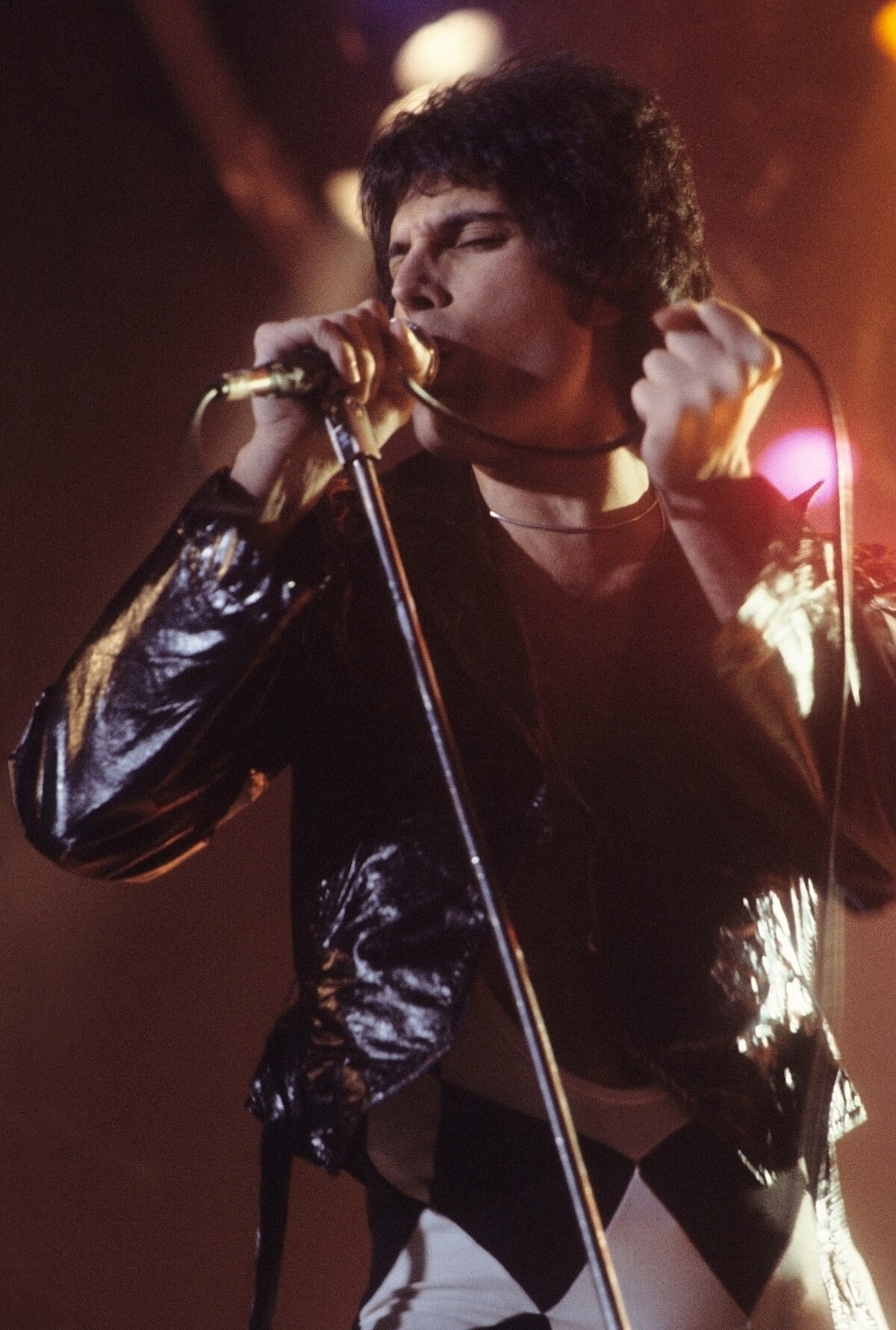
Freddie Mercury, born Farrokh Bulsara on September 5, 1946, in Zanzibar (now part of Tanzania), remains one of the most iconic figures in the history of music. As the lead vocalist of Queen, Mercury’s flamboyant stage presence, extraordinary vocal range, and unique musical style catapulted him to international fame. His life and career were as dynamic and colorful as the music he created, leaving an indelible mark on the world. This article explores the life, career, and enduring legacy of Freddie Mercury, from his early years to his rise to stardom, and the cultural impact he had on music and beyond.
Early Life: From Zanzibar to London
Freddie Mercury’s early life was shaped by his multicultural background and international upbringing. He was born in Zanzibar to Parsi parents, Bomi and Jer Bulsara, who had roots in India. His father worked as a cashier at the British Colonial Office, which meant that the family moved frequently due to his job. This exposure to different cultures and environments from a young age influenced Mercury’s worldview and artistic sensibilities.
Mercury spent much of his childhood in India, where he attended St. Peter’s School in Panchgani, near Bombay (now Mumbai). It was during these formative years that his musical talents began to surface. He started taking piano lessons at the age of seven and quickly showed a natural aptitude for music. His schoolmates recognized his talent and encouraged him to pursue it further, which led to the formation of his first band, The Hectics, where he played the piano.
In 1964, due to political unrest in Zanzibar, the Bulsara family moved to England. They settled in Feltham, Middlesex, where Mercury enrolled at Isleworth Polytechnic (now West Thames College) to study art. Later, he attended Ealing Art College, where he graduated with a diploma in Art and Graphic Design. This background in design would later influence his work with Queen, particularly in the creation of their iconic album covers and stage costumes.
Formation of Queen: The Birth of a Legend
Freddie Mercury’s journey to stardom began when he met Brian May and Roger Taylor, who were members of the band Smile. After the departure of the band’s lead vocalist, Mercury joined them, bringing with him a new level of energy and creativity. He suggested the band’s new name, Queen, which he felt was grand, universal, and had a regal sound. Along with the name change, he also adopted the stage name Freddie Mercury, a moniker that reflected his larger-than-life persona.
The final piece of the puzzle was the recruitment of bassist John Deacon, completing the classic lineup of Queen. The band’s early sound was a blend of rock, pop, and opera, which was innovative and unlike anything else at the time. Mercury’s theatricality and flair for the dramatic played a significant role in shaping the band’s image and performance style.
Queen’s self-titled debut album, released in 1973, received moderate success, but it was their follow-up albums, Queen II (1974), Sheer Heart Attack (1974), and A Night at the Opera (1975), that propelled them to international stardom. The latter album featured the groundbreaking single “Bohemian Rhapsody,” a song that defied conventional song structures and showcased Mercury’s operatic vocal range and musical genius. The song’s success was unprecedented, topping the UK Singles Chart for nine weeks and later becoming one of the best-selling singles of all time.
The Rise to Fame: A Global Icon
Freddie Mercury’s rise to fame was marked by his unparalleled ability to captivate audiences. He was not just a singer but a performer in the truest sense of the word. His stage presence was electrifying, characterized by his flamboyant costumes, energetic movements, and his command over large crowds. Mercury had the rare ability to make every audience member feel as though he was performing just for them, a quality that set him apart from other rock stars of his time.
Throughout the 1970s and 1980s, Queen released a series of successful albums that cemented their status as one of the biggest rock bands in the world. Albums like A Day at the Races (1976), News of the World (1977), which included the anthems “We Will Rock You” and “We Are the Champions,” and The Game (1980), featuring the hits “Another One Bites the Dust” and “Crazy Little Thing Called Love,” were all critically acclaimed and commercially successful.
Mercury’s contributions to Queen were not limited to his vocal performances. He was also a prolific songwriter, penning many of the band’s biggest hits, including “Killer Queen,” “Somebody to Love,” “Don’t Stop Me Now,” and “Radio Ga Ga.” His songwriting was characterized by its diversity, ranging from hard rock to pop ballads to opera-inspired compositions, reflecting his wide-ranging musical influences.
Personal Life and Struggles
Freddie Mercury’s personal life was as complex as his music. Openly bisexual, Mercury had relationships with both men and women, although he maintained a close and enduring friendship with Mary Austin, whom he once described as the love of his life. The two were engaged at one point, but as Mercury became more aware of his sexuality, their romantic relationship ended. However, they remained close friends until his death, with Mercury leaving the majority of his estate to Austin.
In the late 1980s, Mercury was diagnosed with AIDS, a disease that was highly stigmatized at the time. Despite his declining health, Mercury continued to work, recording music and performing with Queen. He kept his diagnosis private for as long as possible, only confirming it publicly the day before his death on November 24, 1991. His death from bronchial pneumonia, a complication of AIDS, at the age of 45, sent shockwaves through the music world.
Mercury’s battle with AIDS and his decision to keep his illness private until the end reflected the struggles that many people with the disease faced during that era. His death helped to raise awareness about AIDS and led to increased efforts in combating the disease, particularly within the entertainment industry.
The Legacy of Freddie Mercury: An Enduring Impact
Freddie Mercury’s legacy is vast and continues to influence musicians and performers across genres. He was not only a pioneer in the world of rock music but also a trailblazer in challenging societal norms related to sexuality and identity. His ability to fuse different musical styles—rock, pop, opera, and even disco—into a cohesive and powerful sound was groundbreaking and has inspired countless artists.
One of the most significant posthumous tributes to Mercury came in 1992 with the Freddie Mercury Tribute Concert at Wembley Stadium, organized by his bandmates Brian May and Roger Taylor. The concert featured performances by some of the biggest names in music, including David Bowie, Elton John, and George Michael, and raised millions of dollars for AIDS research.
In addition to the tribute concert, Mercury’s life and career were immortalized in the 2018 biographical film “Bohemian Rhapsody,” which brought his story to a new generation of fans. The film, starring Rami Malek as Mercury, was a commercial and critical success, winning several awards, including an Academy Award for Best Actor for Malek.
Mercury’s influence extends beyond music. His persona as a bold, unapologetic, and boundary-pushing artist has made him a cultural icon. He is often cited as a symbol of freedom and individuality, representing the idea that one should live life on their own terms, regardless of societal expectations.
Queen After Mercury: The Show Must Go On
After Freddie Mercury’s death, the remaining members of Queen faced the daunting task of continuing without their charismatic frontman. Brian May, Roger Taylor, and John Deacon initially struggled with how to move forward, as Mercury had been such a central figure in the band’s identity.
In the years following Mercury’s death, Queen continued to perform with various guest vocalists, including Paul Rodgers and Adam Lambert. The collaboration with Adam Lambert, in particular, has been successful, with the band touring globally under the name Queen + Adam Lambert. While Mercury’s absence is deeply felt, these performances have allowed new generations of fans to experience Queen’s music live.
The band has also continued to release previously unreleased tracks and compilations, ensuring that Mercury’s voice and spirit remain a part of the band’s legacy. Queen’s enduring popularity is a testament to the timeless quality of their music and Mercury’s enduring appeal as one of the greatest frontmen in rock history.
Conclusion
Freddie Mercury was more than just a rock star; he was a cultural phenomenon whose influence transcended music. His extraordinary talent, coupled with his flamboyant personality and willingness to break boundaries, made him a true icon of the 20th century. Mercury’s life was tragically cut short, but his legacy continues to inspire and resonate with fans around the world.
As we look back on Freddie Mercury’s life and career, it is clear that he left an indelible mark on the world of music and beyond. His work with Queen set new standards for what a rock band could achieve, both musically and theatrically. Mercury’s ability to connect with audiences, his pioneering approach to music, and his unapologetic embrace of his identity have ensured that he remains a beloved and influential figure long after his passing.
Freddie Mercury’s legacy is a reminder that true artistry is about more than just talent; it is about daring to be different, pushing the boundaries, and leaving a lasting impact on the world.


