
Introduction
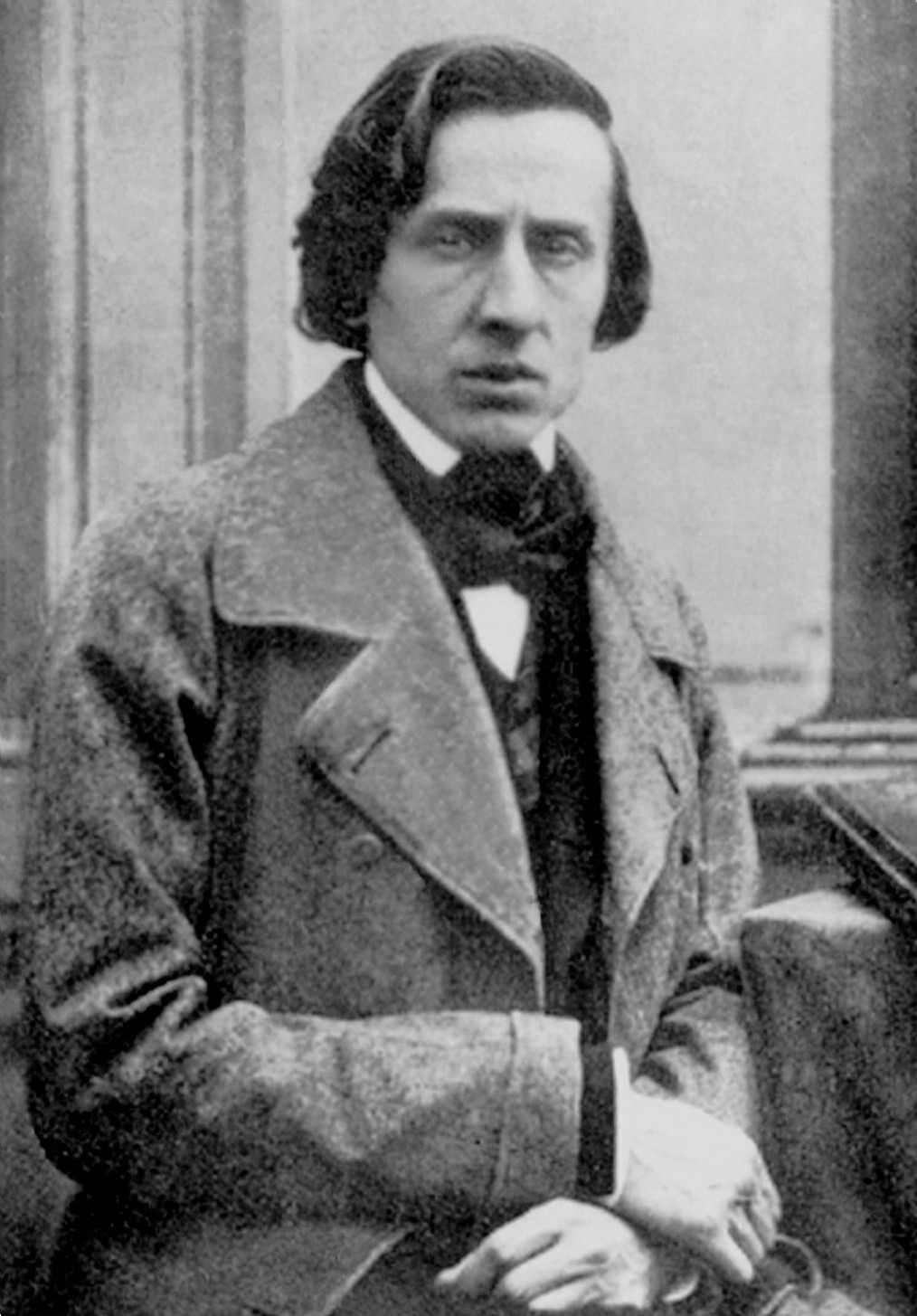
Fryderyk Chopin, a name synonymous with romantic music, remains one of the most celebrated composers in the history of classical music. Born on March 1, 1810, in Żelazowa Wola, Poland, Chopin’s contributions to piano music have earned him a timeless place in the annals of musical genius. This article delves into Chopin’s life, exploring his age, fame, and significant life highlights, while also examining the historical context that shaped his remarkable career.
Early Life and Education
Fryderyk Chopin was born to a modest but culturally enriched family. His father, Nicolas Chopin, was a French tutor who had settled in Poland, while his mother, Tekla Justyna Chopin, was of Polish descent. From a young age, Chopin demonstrated exceptional musical talent. He began piano lessons at the age of six and composed his first piece at seven.
Musical Prodigy
Chopin’s early musical education was marked by rapid progress. By the age of eight, he had already performed in public concerts, showcasing his prodigious talent. His early compositions, including polonaises and waltzes, were received with great acclaim, setting the stage for a promising musical career.
Career in Poland
Chopin’s formative years in Poland were crucial to his development as a composer. His early compositions were heavily influenced by Polish folk music, which can be heard in his mazurkas and polonaises. These works were characterized by their rhythmic complexity and emotive depth, reflecting Chopin’s deep connection to his homeland.
First Compositions and Public Recognition
In 1830, Chopin’s reputation as a composer was solidified with the publication of his Opus 1, a set of variations for piano. This early success was followed by a series of influential works, including his piano concertos and nocturnes, which garnered widespread acclaim in Poland and beyond. His ability to infuse Polish musical traditions with classical forms marked him as a unique and innovative composer.
Move to Paris and International Fame
In 1831, Chopin left Poland for Vienna and eventually settled in Paris, a city that would become the epicenter of his career. Paris, with its vibrant cultural scene, provided Chopin with the platform to showcase his talents to a broader audience. It was in this city that Chopin achieved international fame.
Life in Paris
Chopin’s life in Paris was marked by both professional success and personal challenges. He became a central figure in the city’s musical elite, forming friendships with notable composers and musicians such as Franz Liszt, Hector Berlioz, and Robert Schumann. Chopin’s salons were famous for their intimate performances and intellectual discussions about music.
Major Works and Innovations
During his time in Paris, Chopin composed some of his most celebrated works, including the “Ballades,” “Études,” and “Nocturnes.” These compositions are renowned for their technical brilliance and emotional depth. Chopin’s innovations in piano technique, particularly his use of the pedal and his development of the chromatic scale, significantly influenced the evolution of piano music.
Romantic Era Influence
Chopin’s work is often associated with the Romantic era, a period characterized by its emphasis on expressive emotion and individualism. His compositions are exemplary of Romantic ideals, showcasing a profound sensitivity and introspective quality. His ability to convey deep emotional experiences through music set him apart from his contemporaries.
Emotional Depth and Technical Mastery
Chopin’s music is celebrated for its emotional depth and technical mastery. His compositions often feature intricate harmonies and innovative forms, reflecting his unique approach to the piano. The lyrical quality of his nocturnes and the virtuosic demands of his études illustrate his mastery of the instrument and his ability to evoke a wide range of emotions.
Health Struggles and Personal Life
Chopin’s health struggles were a significant aspect of his life. He suffered from chronic tuberculosis, which greatly impacted his personal and professional life. His delicate health often confined him to a life of travel and frequent medical treatments.
Relationship with George Sand
One of the most well-known aspects of Chopin’s personal life was his relationship with the French writer George Sand. Their romantic involvement began in 1836 and lasted for nearly a decade. Sand’s support and companionship were crucial during Chopin’s periods of ill health. Their relationship was both creatively and emotionally significant, influencing Chopin’s music and personal outlook.
Legacy and Influence
Fryderyk Chopin’s legacy is profound and enduring. His contributions to piano music have left an indelible mark on the classical music world. Chopin’s works continue to be performed and admired for their technical sophistication and emotional resonance.
Impact on Future Generations
Chopin’s influence extends beyond his own era, impacting subsequent generations of composers and pianists. His innovations in piano technique and his expressive approach to composition have inspired countless musicians. The “Chopin School” of piano playing, which emphasizes the interpretative and technical aspects of his music, remains a significant part of piano pedagogy.
Conclusion
Fryderyk Chopin’s life and work offer a fascinating glimpse into the world of Romantic music. From his early years in Poland to his rise to international fame in Paris, Chopin’s journey was marked by both personal struggles and professional triumphs. His music, characterized by its emotional depth and technical brilliance, continues to captivate audiences around the world. Understanding Chopin’s life provides valuable insights into the intersection of personal experience and artistic achievement, highlighting the enduring impact of his contributions to classical music.


