
Introduction
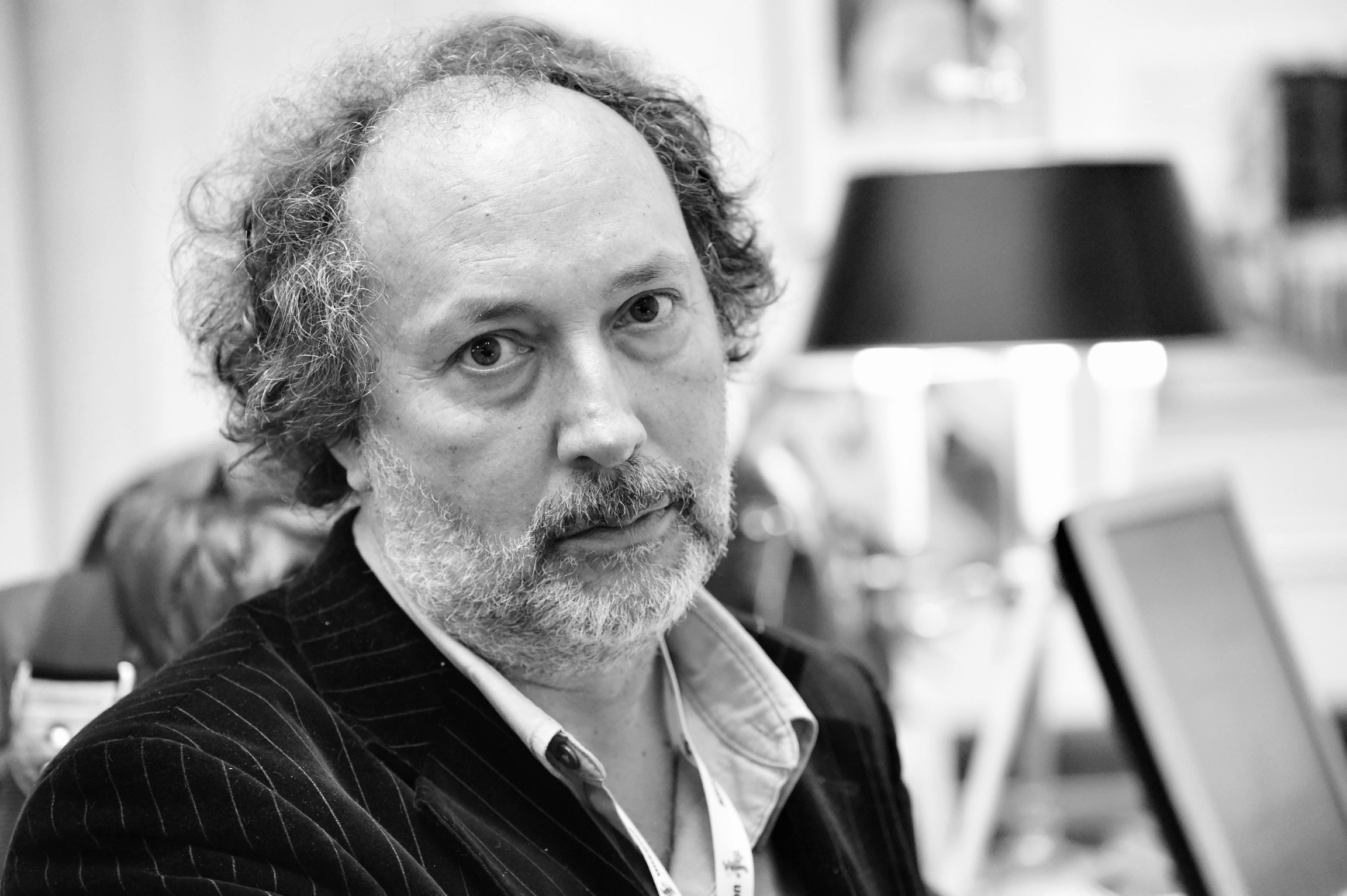
Fulvio Abbate, born on December 20, 1956, in Palermo, Italy, is a multifaceted intellectual known for his work as a writer, journalist, critic, and television personality. His career, characterized by a blend of literary prowess and media presence, has made him a significant figure in contemporary Italian culture. This article explores his life, achievements, and the diverse roles he has played in the literary and media landscapes.
Early Life and Education
Fulvio Abbate was born and raised in Palermo, a city rich in history and culture, which influenced his intellectual development. He pursued higher education in philosophy, earning a degree with a thesis on the controversial French writer Louis-Ferdinand Céline. This academic background laid the foundation for Abbate’s deep engagement with literature and critical thought.
Academic Pursuits and Early Influences
During his university years, Abbate was deeply influenced by existentialist and avant-garde literature, which shaped his writing style and philosophical outlook. His fascination with figures like Céline and the broader existentialist movement provided a rich context for his later work as a writer and critic.
Career in Journalism
Fulvio Abbate’s career in journalism began in the 1980s, where he contributed to several prestigious Italian newspapers and magazines. His insightful articles and sharp critiques quickly garnered attention, establishing him as a prominent voice in Italian journalism.
Notable Collaborations
Abbate has written for major Italian publications such as L’Unità, La Stampa, Il Riformista, Il Messaggero, Il Foglio, and Il Fatto Quotidiano. His columns and articles often delve into cultural, political, and social issues, reflecting his broad intellectual interests and critical acumen.
Television Appearances
Beyond print journalism, Abbate has made frequent appearances on Italian television, particularly in talk shows and cultural programs. His ability to articulate complex ideas in an engaging manner has made him a sought-after guest for discussions on various topics, from politics to literature.
Literary Contributions
Fulvio Abbate’s literary career is as prolific as his journalistic one. He has authored numerous novels, essays, and political satires, showcasing his versatility and depth as a writer. His works often explore themes of identity, politics, and the human condition, blending humor with critical insight.
Major Works
-
“Teledurruti”: Launched in 1998, “Teledurruti” began as a television program on TeleAmbiente before transitioning to the web. It featured a mix of satire, commentary, and cultural critique, reflecting Abbate’s unique perspective on contemporary issues.
-
“Avanti Popolo”: From 1994 to 1998, Abbate hosted this talk show on Italia Radio, which he also conceptualized. The program combined political discussion with cultural commentary, reinforcing his reputation as a critical thinker.
-
Novels and Essays: Abbate’s bibliography includes numerous novels and essays, such as “La peste nuova” (2020), a reimagining of his earlier work “La peste bis” (1996) and a parody of Albert Camus’s “The Plague”. His literary works are known for their satirical edge and philosophical depth.
Awards and Recognition
Fulvio Abbate’s contributions to literature and journalism have been recognized with several awards. In 2013, he won the Forte dei Marmi Political Satire Award, highlighting his impact as a satirist and commentator.
Honorary Titles
In 2017, Abbate was honored with the title of Knight of the Order of Merit of the Italian Republic. This prestigious recognition underscores his significant contributions to Italian culture and public discourse.
Online Presence and Social Media
In the digital age, Fulvio Abbate has embraced new media platforms to reach a broader audience. He launched his YouTube channel “PACK” in 2019, where he shares videos that blend personal musings with cultural commentary. His channel, described as a “film notebook,” reflects his innovative approach to storytelling and critique.
Social Media Engagement
Abbate is active on major social media platforms, including Twitter, Instagram, and Facebook. These channels allow him to engage with a wider audience, sharing insights, promoting his works, and participating in contemporary cultural conversations.
Reality Television and Public Persona
In September 2020, Fulvio Abbate participated in the fifth season of “Grande Fratello VIP” (Big Brother VIP), an Italian reality television show. His decision to join the reality TV world was driven by curiosity and a desire to explore new experiences.
Insights from “Grande Fratello VIP”
Abbate’s presence in the “Grande Fratello VIP” house provided viewers with a unique glimpse into the mind of an intellectual navigating the dynamics of reality television. His reflections on the show, published in various interviews, reveal his thoughts on the intersection of high culture and popular media.
Personal Life
Fulvio Abbate is married to Fiorella Bonizzi, and they have a daughter named Carla Abbate. His personal life, much like his professional one, is marked by intellectual engagement and a passion for exploring new ideas and experiences.
Marriage and Family
Abbate’s marriage to Fiorella Bonizzi in 1996 was a unique affair, reminiscent of a scene from an American film, as they tied the knot in Las Vegas. This anecdote reflects Abbate’s unconventional approach to life and his embrace of spontaneity and adventure.
Conclusion
Fulvio Abbate’s journey from Palermo to becoming a prominent figure in Italian literature, journalism, and television is a testament to his talent, intellect, and versatility. His contributions to cultural discourse, both through his written works and media appearances, have left a lasting impact on Italian society.
As a writer, critic, and media personality, Abbate continues to inspire and provoke thought, challenging audiences to engage with contemporary issues through a critical lens. His legacy is one of intellectual rigor, creativity, and a relentless pursuit of truth and understanding.


