
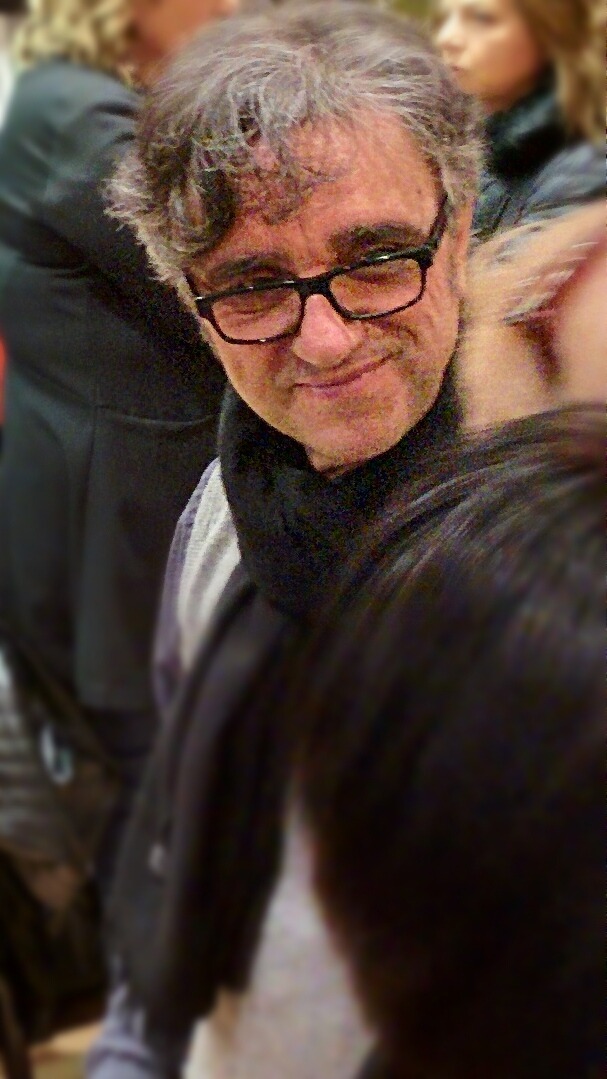
Gaetano Curreri, born on June 26, 1952, in Bertinoro, Italy, is a prominent figure in the Italian music scene. Over the decades, he has left an indelible mark as a musician, composer, and producer, especially known for his role as the lead vocalist and keyboardist of the band Stadio. His journey through the music industry is a testament to his enduring talent and influence.
Early Life and Beginnings
Gaetano Curreri’s passion for music began at a young age. Growing up in Bertinoro, a town in the Emilia-Romagna region, he was immersed in the vibrant cultural scene of the area. By the late 1960s, he had started performing in local dance halls and venues, where he honed his skills and developed a deep understanding of various musical genres.
It was during this time that Curreri crossed paths with a then-unknown young artist, Vasco Rossi. This meeting would prove to be pivotal, as the two would go on to collaborate extensively. Together, they founded one of Italy’s first free radio stations, Punto Radio, in Bologna. This collaboration would also mark the beginning of a lifelong friendship and professional partnership that would shape both of their careers.
The Rise of Stadio
By the late 1970s, Gaetano Curreri had already begun to establish himself in the music industry. He played a crucial role in arranging Vasco Rossi’s first two albums, “…Ma cosa vuoi che sia una canzone…” (1978) and “Non siamo mica gli americani” (1979). These albums laid the foundation for Vasco Rossi’s future success and helped Curreri gain recognition as a talented arranger and musician.
In 1981, Curreri, along with other musicians, officially formed the band Stadio. The band’s early years were closely tied to the work of Lucio Dalla, another iconic figure in Italian music. Stadio initially served as the backing band for Dalla during his “Banana Republic” tour with Francesco De Gregori. This experience provided the band with significant exposure and set the stage for their own success.
The early 1980s were a period of rapid growth for Stadio. Their first self-titled album, “Stadio”, was released in 1982 and featured the song “Un fiore per Hal”. The album included contributions from several prominent musicians, including Jimmy Villotti, Ron, and Lucio Dalla. This was followed by another successful collaboration with Carlo Verdone for the song “Acqua e sapone”, which became the title track for Verdone’s film of the same name.
Challenges and Successes in the 1980s
The mid-1980s presented both challenges and opportunities for Gaetano Curreri and Stadio. Despite their talent and growing fan base, the band faced setbacks at the Sanremo Music Festival, Italy’s most prestigious music competition. In 1984, their song “Allo stadio” finished last at the festival. However, this did not deter the band. They continued to produce music and tour, solidifying their reputation as one of Italy’s most beloved rock bands.
During this period, Stadio released several notable albums, including “La faccia delle donne” and “Canzoni alla radio”. These albums featured a mix of original songs and collaborations with other artists, showcasing the band’s versatility and Curreri’s skills as a composer. The song “Ti senti sola”, from the album “La faccia delle donne”, was included in the soundtrack of Luciano Salce’s film “Vediamoci chiaro”, further cementing Curreri’s reputation as a composer for film.
One of the highlights of this era was Stadio’s involvement in Lucio Dalla’s American tour, which was documented in the live album “DallAmeriCaruso”. This tour was a significant milestone for the band, as it introduced them to an international audience and expanded their influence beyond Italy.
The 1990s: A Decade of Transformation
The 1990s were a transformative period for Gaetano Curreri and Stadio. The decade began with a significant challenge when the band faced a sudden and unexpected separation from Lucio Dalla, who had been a key collaborator and mentor. This event brought the band to the brink of dissolution. However, thanks to the support of Vasco Rossi, who had always been a close friend and collaborator, Stadio managed to stay together and continue making music.
In 1991, Stadio signed a new contract with EMI Italiana and released the album “Siamo tutti elefanti inventati”. The single “Generazione di fenomeni”, which was the theme song for the popular Italian TV show “I ragazzi del muretto”, became a major hit and marked a new phase in the band’s career. This song, with its catchy melody and relatable lyrics, resonated with a wide audience and solidified Stadio’s place in Italian pop-rock music.
The 1990s also saw the release of several other successful albums, including the thematic compilation “Ballate fra il cielo e il mare”, which featured the song “Lo zaino”. This period was marked by creative experimentation and a willingness to explore new musical styles and themes.
Health Challenges and Resilience
In 2003, during a concert in Acireale, Sicily, Gaetano Curreri suffered a stroke on stage. This was a life-altering moment for the artist, and it required a long period of recovery. Curreri’s resilience and determination to return to music were evident as he gradually regained his health and returned to performing with Stadio. This experience, while challenging, added a new depth to his music and his connection with fans, who admired his strength and perseverance.
Following his recovery, Stadio released the album “L’amore volubile” in 2005, followed by a live album and DVD titled “Canzoni per parrucchiere Live Tour”. These projects were well-received by both critics and fans, reaffirming Stadio’s enduring popularity.
The 2010s and Beyond: Continued Success
The 2010s were another successful decade for Gaetano Curreri and Stadio. In 2011, Curreri composed the music for the song “Cavolini di Bruxelles”, with lyrics written by Federica Nargi and Costanza Caracciolo, and performed by the popular Italian television character Gabibbo. That same year, Stadio released the album “Diamanti e caramelle”, which included the single “La promessa”, featuring the singer Noemi.
One of the most significant moments of this decade came in 2016 when Stadio won the Sanremo Music Festival with the song “Un giorno mi dirai”. This victory was particularly sweet, as it marked the culmination of years of hard work and perseverance. The win at Sanremo was a testament to the band’s enduring appeal and their ability to connect with audiences across generations.
Gaetano Curreri’s Legacy
Gaetano Curreri’s contributions to Italian music are vast and varied. As the frontman of Stadio, he has been at the forefront of the Italian rock scene for over four decades. His work as a composer and arranger has influenced countless artists, and his collaborations with legends like Lucio Dalla and Vasco Rossi have left a lasting impact on the music industry.
Beyond his musical achievements, Curreri’s resilience in the face of personal and professional challenges has made him a beloved figure in Italian culture. His ability to adapt and evolve with the times while staying true to his artistic vision is a testament to his talent and dedication.
As of today, Gaetano Curreri continues to be an active and influential presence in the music world. His journey from a young musician in Bertinoro to a celebrated artist on the international stage is a story of passion, perseverance, and an unwavering commitment to his craft. His legacy will undoubtedly continue to inspire future generations of musicians and music lovers alike.


