
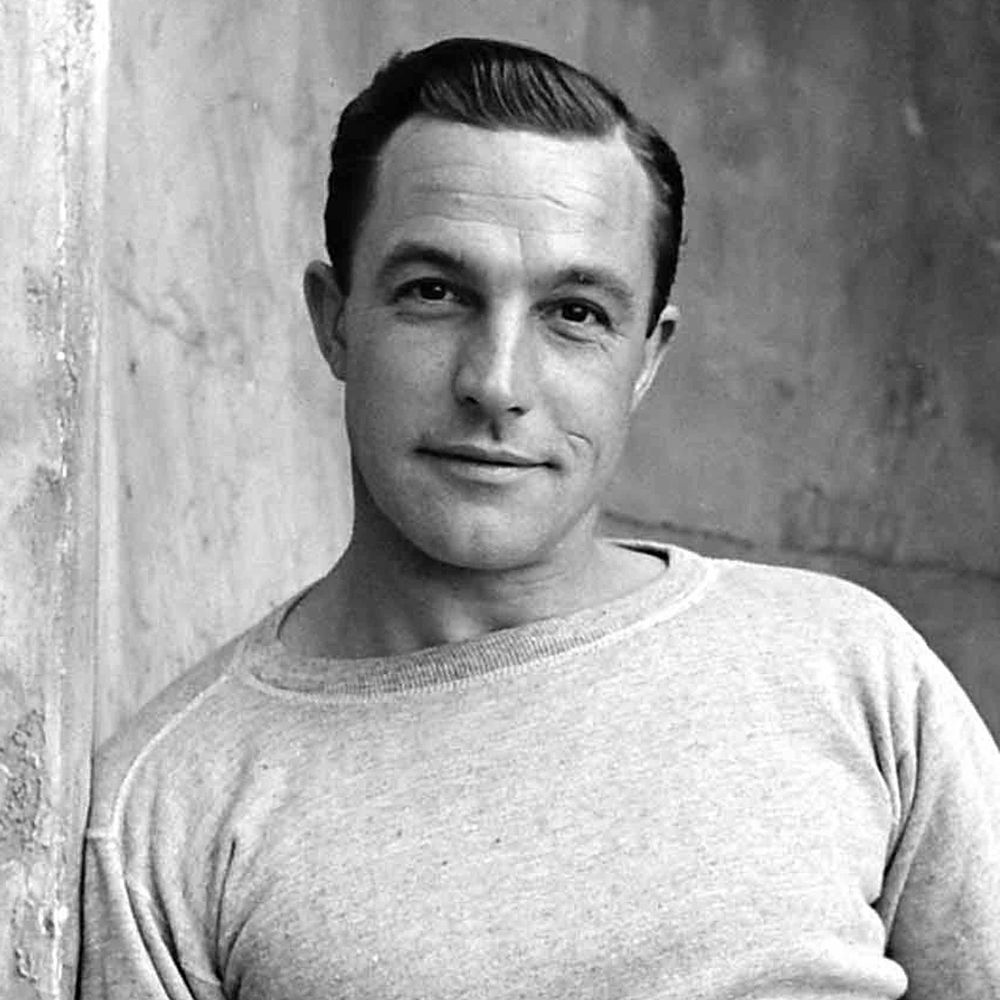
Gene Kelly, born Eugene Curran Kelly on August 23, 1912, in Pittsburgh, Pennsylvania, was a monumental figure in the golden age of Hollywood musicals. Known for his incredible talent as a dancer, actor, singer, and filmmaker, Kelly’s influence on the entertainment industry continues to be felt today. From his groundbreaking performances on Broadway to his unforgettable roles in classic films, Gene Kelly’s life and career are a testament to his extraordinary abilities and his lasting impact on American culture. This article delves into the life of Gene Kelly, exploring his age, rise to fame, and key life highlights that have cemented his legacy in the annals of cinema history.
Early Life and Education
Gene Kelly was born into a large, working-class Irish-American family. He was the third of five children born to James Patrick Joseph Kelly and Harriet Catherine Curran. From a young age, Kelly exhibited a passion for dance, which was encouraged by his mother. Despite his early interest in dance, Kelly initially pursued a more conventional career path, attending the University of Pittsburgh, where he studied economics.
However, his love for dance could not be suppressed. Kelly and his brother Fred opened a dance studio in Pittsburgh, which became quite successful. This experience, coupled with his growing ambition to make a name for himself in the performing arts, led Kelly to move to New York City in the 1930s to pursue a career on Broadway.
Broadway Beginnings
Gene Kelly’s talent and charisma quickly caught the attention of Broadway producers. He made his Broadway debut in 1938 in the musical “Leave It to Me!” but it was his performance in the 1940 production of “Pal Joey” that made him a star. Kelly’s combination of athleticism, grace, and natural charm set him apart from other dancers of his time. He brought a new level of physicality to dance, blending classical ballet with modern, energetic movements that reflected his own personality.
His success on Broadway led to a contract with Hollywood’s Metro-Goldwyn-Mayer (MGM) studio, marking the beginning of Kelly’s legendary film career.
Hollywood Stardom and the Golden Age of Musicals
Gene Kelly arrived in Hollywood at a time when musicals were a major part of the film industry’s output. His first major film role came in 1942 with “For Me and My Gal,” in which he starred opposite Judy Garland. The film was a success and established Kelly as a leading man in Hollywood. His subsequent films, including “Cover Girl” (1944) and “Anchors Aweigh” (1945), showcased his incredible dance abilities and further solidified his star status.
However, it was in the late 1940s and early 1950s that Gene Kelly truly made his mark on the world of cinema. Working alongside directors like Stanley Donen and producers like Arthur Freed, Kelly helped create some of the most iconic musicals in film history. His most famous films from this period include “An American in Paris” (1951), “Singin’ in the Rain” (1952), and “On the Town” (1949).
An American in Paris: This film, directed by Vincente Minnelli, is one of Kelly’s most celebrated works. Set against the backdrop of post-war Paris, the film is known for its elaborate dance sequences and stunning choreography. Kelly’s performance in the 17-minute ballet sequence at the film’s climax is considered one of the greatest dance performances ever captured on film. The film won six Academy Awards, including Best Picture, and cemented Kelly’s reputation as a world-class dancer and choreographer.
Singin’ in the Rain: Often regarded as one of the greatest films ever made, “Singin’ in the Rain” is a joyous celebration of the transition from silent films to talkies. Kelly co-directed the film with Stanley Donen and starred alongside Debbie Reynolds and Donald O’Connor. The film’s iconic dance sequence, in which Kelly dances joyfully in the rain, has become one of the most famous scenes in cinema history. The film’s blend of humor, romance, and dazzling choreography showcases Kelly’s talents as both a performer and a filmmaker.
On the Town: In this 1949 film, Kelly once again teamed up with Stanley Donen to direct and star in a musical about three sailors on leave in New York City. The film was groundbreaking for its use of location shooting, with many scenes filmed on the streets of New York. “On the Town” was praised for its energetic dance numbers and innovative choreography, further establishing Kelly as a creative force in Hollywood.
The Legacy of Gene Kelly’s Dance Style
Gene Kelly’s contributions to the art of dance in film are immeasurable. He revolutionized the way dance was presented on screen, incorporating a dynamic and athletic style that was uniquely his own. Unlike many of his contemporaries who favored a more classical approach, Kelly’s dance style was rooted in a blend of ballet, tap, and modern dance. He brought a sense of masculinity and power to dance that had rarely been seen before, challenging traditional notions of what a male dancer could be.
Kelly’s choreography often reflected his love for the everyday and the ordinary. He found inspiration in the world around him, incorporating everyday objects and settings into his dance routines. Whether he was dancing with a mop in “Summer Stock” (1950) or performing a playful duet with a cartoon mouse in “Anchors Aweigh,” Kelly’s creativity and innovation knew no bounds.
Beyond Dance: Gene Kelly as a Director and Choreographer
In addition to his work as a performer, Gene Kelly was also a talented director and choreographer. He directed several of his own films, including “Singin’ in the Rain” and “On the Town,” as well as other successful projects like “Invitation to the Dance” (1956) and “Hello, Dolly!” (1969).
Hello, Dolly!: Kelly’s direction of this 1969 musical starring Barbra Streisand was one of his most ambitious projects. The film was a lavish production, featuring grand sets and elaborate musical numbers. Although it received mixed reviews at the time, “Hello, Dolly!” has since been recognized as a classic of the musical genre. Kelly’s direction demonstrated his ability to handle large-scale productions and complex choreography with ease.
Invitation to the Dance: This 1956 film was a unique project for Kelly, as it was a dance film with no spoken dialogue. The film consisted of three separate dance sequences, each telling a different story through movement. While the film was not a commercial success, it was a bold and innovative experiment that showcased Kelly’s dedication to pushing the boundaries of dance on film.
Challenges and Triumphs
Despite his many successes, Gene Kelly’s career was not without its challenges. As the popularity of musicals began to decline in the late 1950s and 1960s, Kelly found it increasingly difficult to find roles that matched his talents. He also faced personal struggles, including a difficult divorce from his first wife, Betsy Blair, and the challenges of raising a family while maintaining a demanding career.
However, Kelly continued to work in the entertainment industry, taking on roles in television and stage productions. He also remained active as a choreographer and director, mentoring a new generation of dancers and filmmakers. His contributions to the arts were recognized with numerous awards and honors, including an honorary Academy Award in 1952 for his achievements in the musical genre.
Later Years and Legacy
In his later years, Gene Kelly continued to be a beloved figure in the world of entertainment. He made occasional appearances on television and in film, often reflecting on his storied career and the impact he had on the industry. In 1984, Kelly was awarded the Kennedy Center Honors, one of the highest accolades in American arts and culture, in recognition of his lifetime contributions to the performing arts.
Kelly’s influence can still be seen today in the work of dancers, choreographers, and filmmakers who continue to be inspired by his innovative approach to dance and storytelling. His films remain popular with audiences around the world, and his dance sequences are studied and admired by aspiring dancers and choreographers.
Historical Context and Impact
To fully appreciate Gene Kelly’s contributions to the world of entertainment, it’s important to understand the historical context in which he worked. The mid-20th century was a time of great change in the United States, marked by the aftermath of World War II, the rise of the civil rights movement, and the cultural shifts of the 1960s. During this time, Hollywood was a major force in shaping American culture, and musicals were among the most popular and influential films of the era.
Kelly’s work in the musical genre helped to define the era’s cinematic style, and his innovative approach to dance and choreography reflected the changing attitudes and values of the time. His films offered audiences an escape from the challenges of everyday life, while also celebrating the joy and beauty of movement and music.
Conclusion
Gene Kelly was more than just a dancer or an actor; he was a true visionary who transformed the art of dance on film. His contributions to the entertainment industry are still felt today, and his legacy continues to inspire new generations of artists. From his early days on Broadway to his iconic performances in Hollywood musicals, Kelly’s career was marked by a relentless pursuit of excellence and a passion for creativity.
As we look back on Gene Kelly’s life and work, we are reminded of the power of art to uplift, inspire, and bring joy to people’s lives. His films continue to be cherished by audiences around the world, and his influence on the world of dance and cinema remains as strong as ever. Gene Kelly may have left us in 1996, but his spirit and his artistry live on, ensuring that his contributions to the world of entertainment will never be forgotten.


