
Introduction
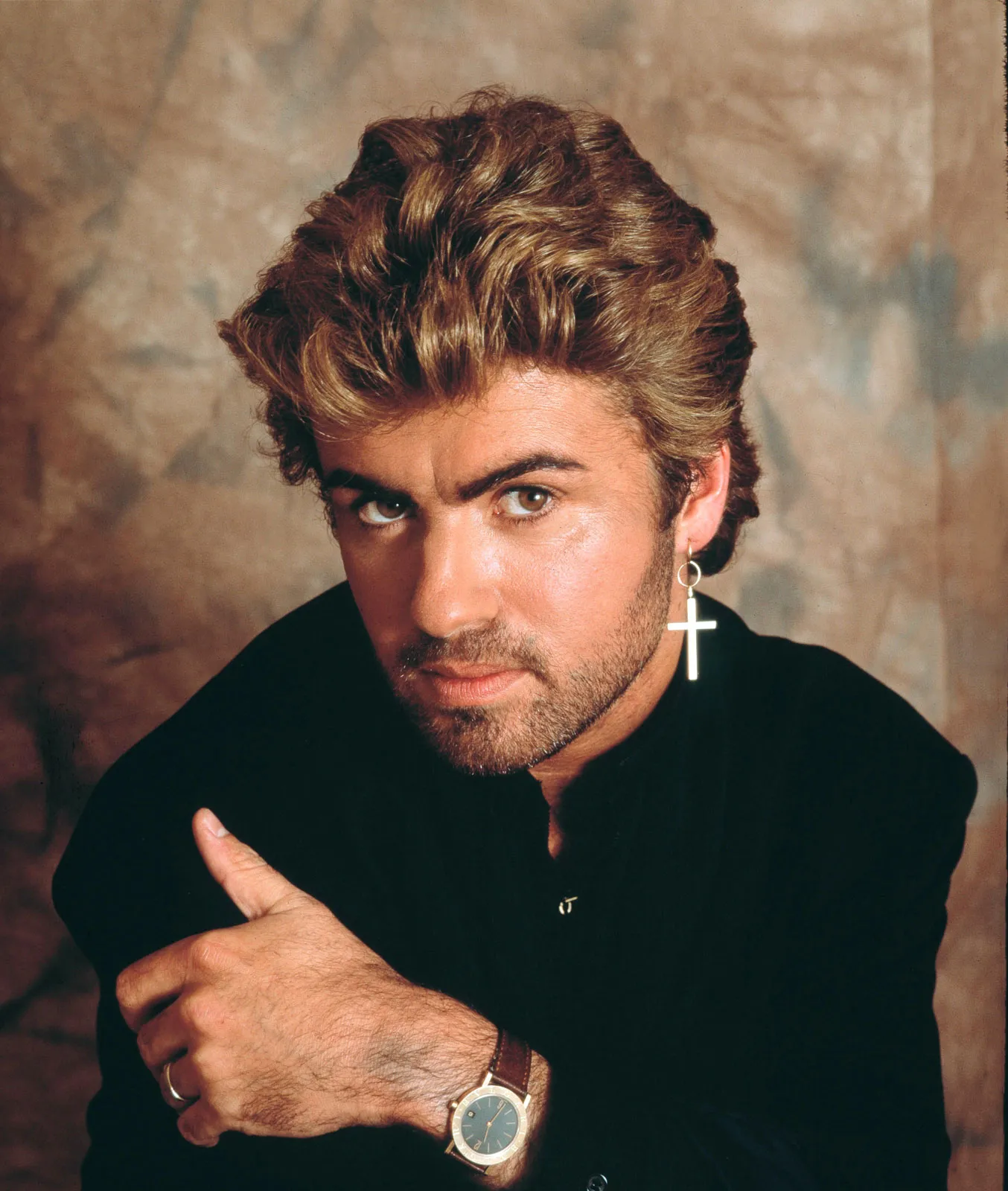
George Michael, born Georgios Kyriacos Panayiotou on June 25, 1963, in Bushey, Hertfordshire, England, is celebrated as one of the most influential and successful pop icons of the late 20th and early 21st centuries. His career spanned over three decades, marked by groundbreaking music, significant social contributions, and a tumultuous personal life. This article explores Michael’s journey from his early beginnings to his lasting impact on music and culture.
Early Life and Background
George Michael’s early life was rooted in a multicultural environment. His father, a Greek-Cypriot restaurateur, and his English mother provided a background that mixed traditional Greek values with British cultural norms. Growing up in the London suburb of Bushey, Michael showed an early interest in music, which was nurtured by his parents and the local community.
Attending Bushey Meads Comprehensive School, he met Andrew Ridgeley, a friendship that would become pivotal in his career. In 1979, Michael and Ridgeley, along with several friends, formed the band “The Executive.” Despite their initial efforts in ska music, the group failed to gain significant traction. However, their partnership laid the groundwork for what would later become one of pop music’s most successful duos.
Rise to Fame with Wham!
In 1982, Michael and Ridgeley formed the band Wham!, a name that would soon become synonymous with 1980s pop music. Their debut single, “Wham Rap!,” marked the beginning of their rise. Wham!’s early success was solidified with hits like “Young Guns (Go for It)” and “Bad Boys,” which resonated with the youth of that era.
The release of their first album, Fantastic, in 1983, showcased their vibrant pop style and catchy tunes. Wham!’s popularity soared with subsequent releases, including “Club Tropicana” and “Wake Me Up Before You Go-Go.” Their appeal was not just limited to the UK; they achieved significant success in the US as well.
Breakthrough and Solo Career
The duo’s success continued with the release of “Careless Whisper” in 1984. Originally recorded as a Wham! track, it was released as a solo single by George Michael, marking his first major solo success. The song became a global hit and established Michael as a formidable solo artist.
Michael’s first solo album, Faith (1987), further cemented his status as a pop icon. With hits like “I Want Your Sex” and “Faith,” the album was a commercial triumph, selling over 14 million copies worldwide. The album’s success was a testament to Michael’s ability to blend pop with elements of black music, creating a distinctive sound that appealed to a wide audience.
Notable Achievements and Musical Evolution
Throughout the late 1980s and early 1990s, George Michael continued to innovate. His participation in the Nelson Mandela Freedom Concert in 1988 demonstrated his commitment to social causes. Michael’s approach to his public image also evolved; in 1990, he released Listen Without Prejudice Vol. 1, which was notable for its departure from traditional music videos and promotional appearances. The album’s tracks, including “Praying for Time” and “Freedom! ’90,” highlighted his desire to focus on music rather than personal fame.
Michael’s collaboration with other artists was another significant aspect of his career. His duet with Aretha Franklin in 1987 was historic, as he became the first male vocalist to perform with her. In 1991, he joined Elton John for a memorable performance of “Don’t Let the Sun Go Down on Me” at Wembley Stadium, and in 1992, he participated in the Freddie Mercury Tribute Concert, where his performances of “Somebody to Love” and “These Are the Days of Our Lives” received critical acclaim.
Activism and Social Contributions
George Michael was not only known for his music but also for his activism, particularly in the fight against AIDS. He performed at the “Concert of Hope” in 1993, which aimed to raise awareness and funds for AIDS research. His involvement in charitable causes was a significant aspect of his public life, reflecting his commitment to using his platform for social good.
In 1992, he contributed to the “Red Hot + Dance” project, which raised funds for AIDS research and featured contributions from various artists. His song “Shoot the Dog” (2003) demonstrated his willingness to address political issues through his music, criticizing political leaders with sharp satire.
Challenges and Comebacks
Michael’s career was not without its challenges. His legal battles with record labels, particularly the dispute with Sony Music, affected his public image. The legal issues stemmed from his dissatisfaction with his contract and led to a prolonged period of silence from him. Despite these setbacks, Michael’s resilience was evident in his ability to bounce back with new music.
After his separation from Sony, Michael released the highly anticipated album Older in 1996. The album’s emotional depth and mature sound marked a new chapter in his career. The 1996 MTV Unplugged performance showcased his exceptional vocal talent and deep connection with his audience.
Later Years and Legacy
George Michael’s later years were marked by both professional successes and personal struggles. His album Songs from the Last Century (1999) featured classic songs rearranged with orchestral accompaniments, reflecting his ability to reinterpret music from different eras. The Symphonica Tour (2011) further demonstrated his enduring popularity, despite health challenges that led to a brief hiatus.
Michael’s death on December 25, 2016, at the age of 53, was a significant loss to the music world. His sudden passing from a heart failure at his home in Goring-on-Thames was met with widespread grief and tributes from fans and fellow artists alike.
George Michael’s impact on music and culture remains profound. His innovative approach to pop music, coupled with his dedication to social causes, has left an indelible mark. His contributions to music, his advocacy for important issues, and his enduring legacy ensure that George Michael will be remembered as one of the most influential artists of his generation.
Conclusion
George Michael’s life and career were characterized by extraordinary achievements and personal challenges. From his early days with Wham! to his solo successes and social activism, Michael’s journey reflects a dynamic and multifaceted legacy. His music, marked by its emotional depth and innovative style, continues to resonate with audiences worldwide, securing his place as a pop icon and a significant cultural figure.


