
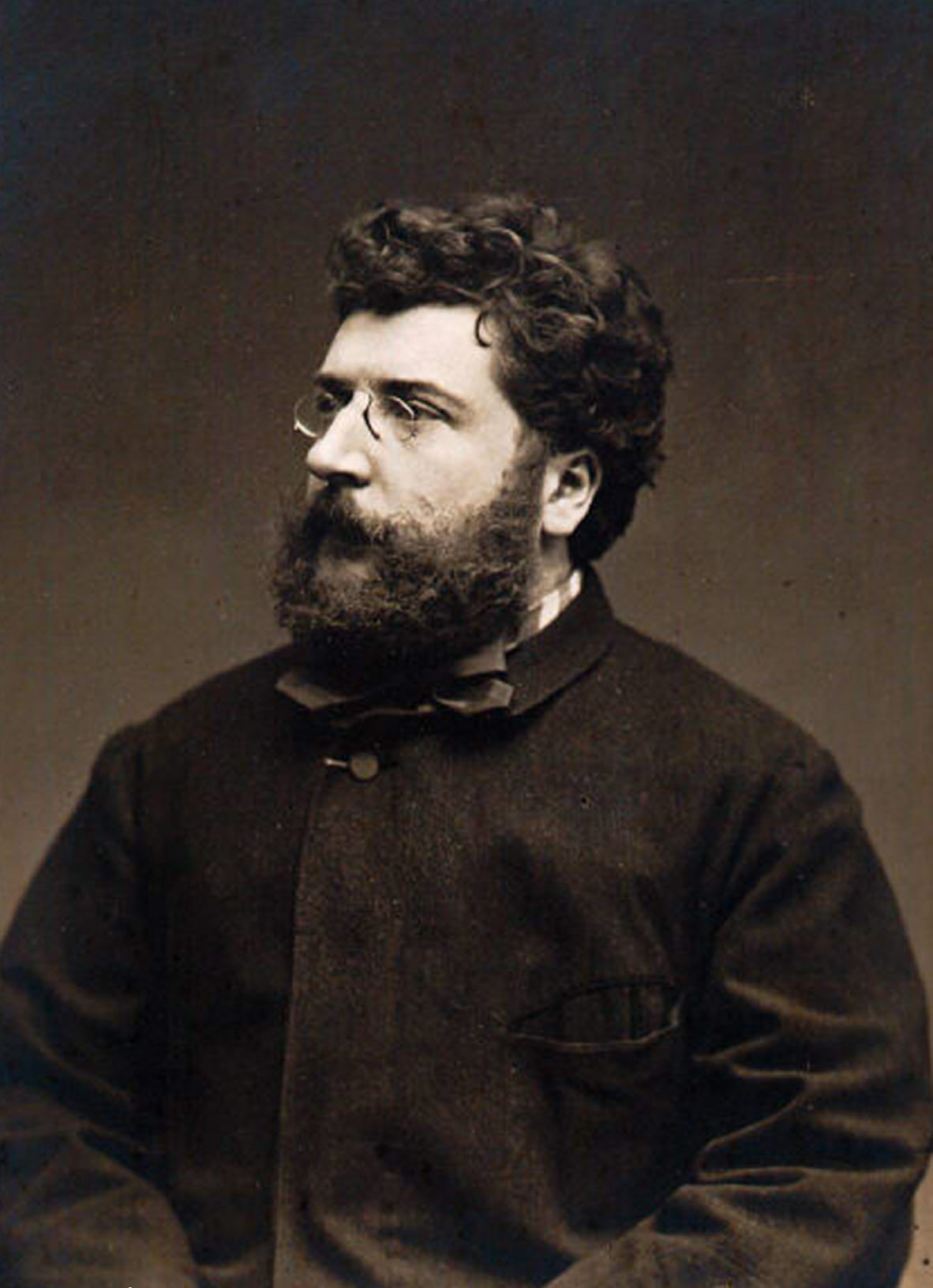
Georges Bizet, born Alexandre César Léopold Bizet on October 25, 1838, in Paris, France, stands as a towering figure in the world of classical music. Best known for his opera “Carmen,” Bizet’s life and works encapsulate the passion and innovation of 19th-century Romanticism. Despite his premature death at the age of 36, Bizet’s contributions to music have left an indelible mark on the cultural landscape.
Early Life and Musical Beginnings
Born into a musical family, Georges Bizet was destined for greatness from an early age. His father, Adolphe Bizet, was a singing teacher, while his mother, Aimée Delsarte, was a gifted pianist. This rich musical environment nurtured Bizet’s prodigious talents. At just nine years old, he entered the prestigious Conservatoire de Paris, a feat made possible by his exceptional abilities, which bypassed the usual age restrictions.
At the Conservatoire, Bizet excelled in his studies, winning numerous awards and demonstrating a particular aptitude for piano and composition. His early compositions showed promise, and his teachers, including the renowned composer Charles Gounod, recognized his extraordinary potential.
Early Compositions and the Prix de Rome
Bizet’s first significant composition was the opera “Les Pêcheurs de Perles” (The Pearl Fishers), which premiered in 1863. Although it was not initially a great success, it contained hints of the brilliance that would later characterize “Carmen.” The opera is set in Ceylon (now Sri Lanka) and explores themes of friendship, love, and betrayal, elements that would recur in Bizet’s later works.
In 1857, at the age of 19, Bizet won the Prix de Rome, a prestigious scholarship for artists, which allowed him to study in Rome for three years. This period was crucial for his development as a composer. While in Italy, he composed the opera “Don Procopio” and began work on his “Te Deum.” These works displayed his growing mastery of orchestration and melodic invention.
Return to Paris and Mature Works
Upon his return to Paris in 1860, Bizet found himself in a competitive and challenging musical environment. He composed prolifically, though not all his works received the recognition they deserved during his lifetime. In 1863, he composed the incidental music for Alphonse Daudet’s play “L’Arlésienne,” which, despite a lukewarm initial reception, eventually became one of his most beloved compositions. The suite derived from this music is celebrated for its vibrant orchestration and evocative melodies.
Bizet’s compositions during this period, including the Symphony in C, written when he was just 17, showcased his command of classical forms and his innovative spirit. The Symphony in C, in particular, is noted for its clarity, elegance, and the influence of his mentor, Gounod.
The Creation of Carmen
The pinnacle of Bizet’s career came with the creation of “Carmen,” an opera that would revolutionize the genre and secure his place in the annals of music history. Premiering at the Opéra-Comique in Paris on March 3, 1875, “Carmen” was initially met with mixed reviews. Critics and audiences were shocked by its bold themes of passion, jealousy, and violence, which were deemed too risqué for the respectable Opéra-Comique.
Set in Seville, Spain, “Carmen” tells the tragic story of Don José, a soldier who falls in love with the fiery gypsy Carmen, leading to his ultimate downfall. The opera is renowned for its memorable arias, such as the Habanera and the Toreador Song, and its rich orchestration. Bizet’s ability to infuse Spanish folk elements into the score added to its exotic appeal.
Tragically Early Death and Posthumous Recognition
Tragically, Georges Bizet did not live to see the enduring success of “Carmen.” He died of a heart attack on June 3, 1875, at the age of 36, just three months after the opera’s premiere. The initial lukewarm reception of “Carmen” weighed heavily on him, and he passed away believing it to be a failure.
However, “Carmen” quickly gained acclaim in the years following Bizet’s death. It became one of the most performed and beloved operas worldwide, praised for its dramatic intensity, character depth, and innovative music. The character of Carmen herself has become an iconic figure in opera, symbolizing the archetype of the free-spirited and defiant woman.
Bizet’s Musical Legacy
Georges Bizet’s influence on the world of classical music extends far beyond “Carmen.” His works are characterized by their melodic richness, rhythmic vitality, and innovative orchestration. Despite his short life, Bizet’s output includes a variety of compositions that continue to be performed and celebrated.
Symphony in C
Bizet’s Symphony in C, composed when he was only 17, remained unpublished and unperformed until 1935. The symphony is a testament to his early genius, displaying a remarkable maturity in its form and expression. It is now recognized as a significant work in the symphonic repertoire, celebrated for its youthful exuberance and masterful orchestration.
L’Arlésienne Suites
The incidental music for “L’Arlésienne” was later arranged into two orchestral suites, which have become staples of the concert repertoire. These suites capture the essence of Provençal folk music and demonstrate Bizet’s ability to create vivid, characterful compositions. The Farandole and the Adagietto are particularly well-known and showcase his skill in blending orchestral colors.
Piano Works and Songs
In addition to his orchestral and operatic works, Bizet composed numerous pieces for piano and voice. His piano works, including the “Jeux d’enfants” (Children’s Games) suite, reveal his playful and inventive side. These pieces, originally written for piano four hands, were later orchestrated and continue to delight audiences with their charm and wit.
Bizet’s songs, though less frequently performed, are gems of the vocal repertoire. They range from simple mélodies to more elaborate settings, showcasing his lyrical gift and sensitivity to text.
Nuances and Historical Context
Georges Bizet’s career was profoundly shaped by the cultural and musical environment of 19th-century France. The Romantic era, with its emphasis on emotional expression and individuality, provided the backdrop for Bizet’s creative endeavors. His music reflects the Romantic fascination with exoticism, as seen in “Carmen” and “Les Pêcheurs de Perles,” which incorporate elements of Spanish and Oriental music.
The political climate of France during Bizet’s lifetime was also turbulent, with the country experiencing significant upheavals, including the Revolution of 1848 and the Franco-Prussian War. These events influenced the arts, leading to a period of intense creativity and experimentation. Bizet, like many of his contemporaries, sought to break free from traditional forms and conventions, pushing the boundaries of musical expression.
Personal Life and Relationships
Bizet’s personal life was marked by both joy and struggle. He married Geneviève Halévy, the daughter of the composer Fromental Halévy, in 1869. The marriage faced challenges, including financial difficulties and Bizet’s declining health. Despite these issues, the couple shared a deep bond, and Geneviève was a supportive partner in his artistic endeavors.
Bizet’s friendships with fellow composers and musicians were also significant. His relationships with figures like Gounod, Saint-Saëns, and Massenet provided a supportive network and influenced his musical development. These connections helped Bizet navigate the competitive and often challenging world of Parisian music.
Impact on Future Generations
Georges Bizet’s legacy extends beyond his own compositions, influencing subsequent generations of composers and musicians. His innovative approach to opera, characterized by realistic characters and dramatic storytelling, paved the way for later developments in the genre. Composers like Giacomo Puccini and Richard Strauss drew inspiration from Bizet’s work, incorporating elements of his style into their own operatic masterpieces.
In the 20th century, “Carmen” continued to inspire adaptations across various art forms, including ballet, film, and musical theater. The character of Carmen and the themes of passion and tragedy in the opera have proven timeless, resonating with audiences around the world.
Conclusion
Georges Bizet’s life, though tragically short, was marked by extraordinary creativity and innovation. From his early successes as a prodigious student at the Conservatoire de Paris to his crowning achievement with “Carmen,” Bizet’s contributions to music have left an enduring legacy. His works continue to be performed and celebrated, a testament to his genius and his profound impact on the world of classical music.
As we reflect on Bizet’s life and career, it becomes clear that his music transcends the boundaries of time and place, capturing the essence of human emotion and experience. Georges Bizet remains a towering figure in the history of music, his melodies and harmonies continuing to enchant and inspire generations of listeners.


