
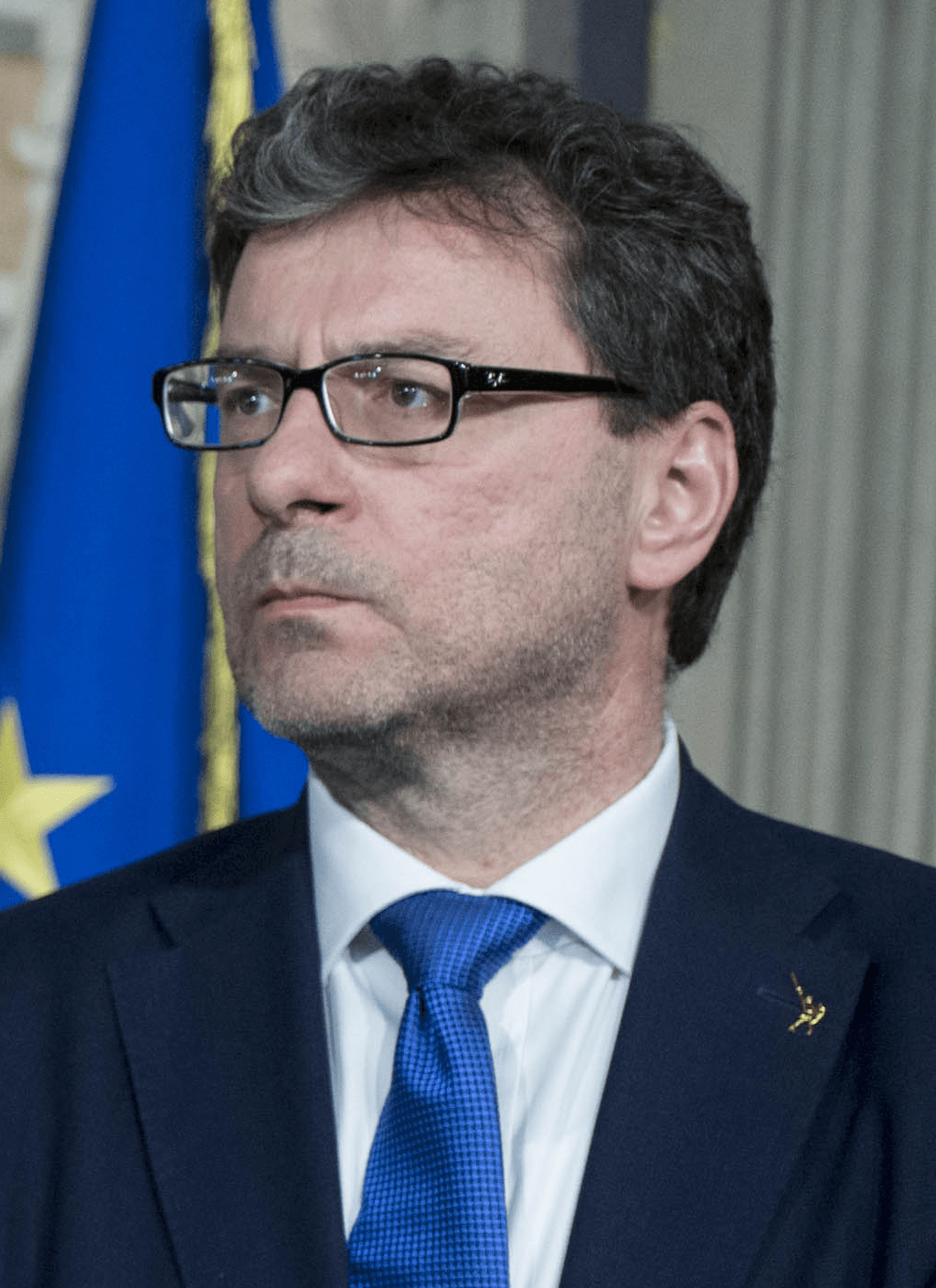
Giancarlo Giorgetti is a prominent figure in Italian politics, known for his deep-rooted influence within the political landscape of Italy. Born on December 16, 1966, in Cazzago Brabbia, a small town in the Lombardy region, Giorgetti has carved a significant place for himself within the political arena. His journey from a local politician to a key player in national politics reflects his sharp political acumen, strategic thinking, and unwavering commitment to the principles of his party, the Lega Nord (Northern League). Over the years, Giorgetti has become one of the most respected and influential politicians in Italy, with his actions and decisions impacting the country’s political and economic trajectory.
Early Life and Education: The Foundations of a Political Career
Giancarlo Giorgetti’s early life was marked by the strong values and work ethic instilled in him by his family and the community in Cazzago Brabbia. Growing up in this small town in the province of Varese, Giorgetti was exposed to the challenges and aspirations of ordinary Italians, particularly those living in the northern regions. This early exposure to the concerns of the people would later influence his political ideology and commitment to representing the interests of the Northern regions of Italy.
Giorgetti pursued his higher education at Bocconi University in Milan, one of the most prestigious institutions in Italy, known for its focus on economics, finance, and law. At Bocconi, Giorgetti studied economics, a field that would become central to his political career. His education provided him with a strong foundation in economic theory and policy, equipping him with the tools to analyze and address the complex economic issues facing Italy. His academic background, combined with his personal experiences, set the stage for his future in politics, where he would apply his economic expertise to real-world challenges.
Entry into Politics: A Rapid Ascent
Giancarlo Giorgetti’s entry into politics was marked by his association with the Lega Nord, a political party that advocates for greater autonomy for the northern regions of Italy. Founded in 1991 by Umberto Bossi, the Lega Nord quickly gained popularity among voters in the North, who felt that their economic and political interests were being neglected by the central government in Rome. Giorgetti’s alignment with the party’s ideals made him a natural fit, and he quickly rose through the ranks.
In 1996, at the age of 30, Giorgetti was elected to the Italian Chamber of Deputies, representing the Lombardy region. His election marked the beginning of a political career that would see him take on increasingly significant roles within the party and the Italian government. As a member of the Chamber of Deputies, Giorgetti was known for his pragmatic approach to politics and his ability to navigate the complexities of Italian political life. His focus on economic issues, fiscal responsibility, and regional autonomy resonated with his constituents and the broader electorate in Northern Italy.
The Strategist: Giancarlo Giorgetti’s Role in Lega Nord’s Transformation
Giancarlo Giorgetti’s influence within the Lega Nord grew as he demonstrated his capabilities as a political strategist and thinker. One of his most significant contributions to the party was his role in transforming Lega Nord from a regionalist movement into a national political force. Under the leadership of Matteo Salvini, the party began to broaden its appeal beyond the northern regions, rebranding itself as Lega and adopting a more nationalist and populist platform.
Giorgetti was instrumental in this transformation. His understanding of Italy’s economic and social landscape allowed him to craft policies and strategies that resonated with voters across the country. He played a key role in shifting the party’s focus from regional autonomy to broader issues such as immigration, law and order, and economic reform. This strategic shift helped Lega gain significant support in regions outside its traditional strongholds, making it a major player in Italian politics.
As Salvini’s right-hand man, Giorgetti was involved in key decisions that shaped the party’s direction. His behind-the-scenes work as a strategist was crucial in Lega’s success in the 2018 general elections, where the party became part of the governing coalition. Giorgetti’s ability to navigate the complexities of Italian politics, combined with his economic expertise, made him an indispensable figure within the party.
Economic Expertise: Shaping Italy’s Fiscal Policies
Giancarlo Giorgetti’s background in economics has been a defining aspect of his political career. His expertise in fiscal policy and economic management has made him a key figure in shaping Italy’s economic agenda. Throughout his career, Giorgetti has been an advocate for fiscal responsibility, economic reform, and policies that promote growth and development, particularly in the northern regions of Italy.
During his tenure as Undersecretary to the Prime Minister in the Conte government, Giorgetti played a pivotal role in economic decision-making. He was involved in discussions on key issues such as budgetary policy, public spending, and economic reform. His pragmatic approach to these issues, combined with his deep understanding of Italy’s economic challenges, earned him respect not only within his party but also among his political opponents.
Giorgetti’s influence extended beyond domestic economic policy. He was also involved in discussions on Italy’s relationship with the European Union, particularly in the context of fiscal rules and economic governance. Giorgetti has often been seen as a moderating influence within his party, advocating for a more constructive approach to Italy’s relationship with the EU while still defending Italy’s national interests.
The Rise to Prominence: Key Government Roles
Giancarlo Giorgetti’s rise to prominence within Italian politics is marked by his appointment to several key government roles. His ability to balance party loyalty with a pragmatic approach to governance made him a valuable asset in various administrations. One of the most significant roles in his career came when he was appointed Minister of Economic Development in the Draghi government in February 2021.
As Minister of Economic Development, Giorgetti was tasked with overseeing Italy’s industrial policy, trade, and economic growth initiatives. His tenure in this role was characterized by efforts to modernize Italy’s industrial sector, promote innovation, and support small and medium-sized enterprises (SMEs). Giorgetti also played a crucial role in managing Italy’s response to the economic challenges posed by the COVID-19 pandemic, advocating for policies that balanced economic recovery with fiscal prudence.
Giorgetti’s leadership during this period demonstrated his ability to manage complex economic issues while maintaining a focus on long-term growth and stability. His efforts to attract foreign investment, support technological innovation, and enhance Italy’s competitive position in the global economy were widely recognized as essential steps in revitalizing the country’s industrial base.
Political Philosophy: Pragmatism and Regionalism
Giancarlo Giorgetti’s political philosophy is rooted in pragmatism and a deep commitment to regionalism. His approach to politics is characterized by a focus on practical solutions to the challenges facing Italy, particularly in the economic sphere. Giorgetti’s pragmatism is evident in his willingness to work across party lines and his focus on achieving tangible results rather than engaging in ideological battles.
At the same time, Giorgetti remains committed to the principles of regionalism that have long been central to the Lega Nord’s identity. He has consistently advocated for greater autonomy for Italy’s regions, arguing that decentralized governance allows for more effective and responsive policymaking. Giorgetti’s regionalist philosophy is closely tied to his economic views, as he believes that empowering regions to manage their own economic affairs leads to better outcomes for local communities and the country as a whole.
This combination of pragmatism and regionalism has made Giorgetti a unique figure in Italian politics. He is able to navigate the often fractious and polarized political landscape by focusing on practical solutions that benefit the regions he represents while maintaining a broader vision for Italy’s future.
As with any high-profile politician, Giancarlo Giorgetti’s career has not been without controversy. His close association with Matteo Salvini and the Lega has made him a target for criticism, particularly from those who oppose the party’s stance on issues such as immigration and European integration. Critics have accused Giorgetti of being too closely aligned with the party’s populist rhetoric, while others argue that he has been a moderating influence within the party, helping to steer it towards more pragmatic and constructive positions.
Giorgetti has also faced criticism for his handling of economic policy, particularly during his tenure as Minister of Economic Development. Some critics argue that his focus on fiscal responsibility and economic reform has come at the expense of social welfare and public investment. However, Giorgetti has defended his policies, arguing that long-term economic stability and growth are essential for improving the welfare of all Italians.
Despite these controversies, Giorgetti has managed to maintain a relatively positive public image, thanks in part to his reputation for competence and integrity. He is widely regarded as a skilled and knowledgeable politician who is committed to finding solutions to Italy’s most pressing challenges. Giorgetti’s ability to navigate the complexities of Italian politics, combined with his economic expertise, has allowed him to weather the storms of controversy and continue to play a central role in the country’s political life.
Giancarlo Giorgetti Today: A Continuing Influence in Italian Politics
Today, Giancarlo Giorgetti remains one of the most influential figures in Italian politics. His role as Minister of Economic Development has placed him at the center of Italy’s efforts to rebuild and modernize its economy in the wake of the COVID-19 pandemic. Giorgetti’s focus on innovation, industrial policy, and economic growth continues to shape the country’s economic agenda.
In addition to his role in government, Giorgetti remains a key figure within the Lega, where he continues to influence the party’s direction and strategy. His close relationship with Matteo Salvini and his reputation as a pragmatic and effective leader make him an essential part of the party’s leadership team.
As Italy faces ongoing challenges, including economic recovery, political instability, and its relationship with the European Union, Giancarlo Giorgetti’s role in shaping the country’s future will be crucial. His ability to balance party loyalty with pragmatic governance, combined with his deep understanding of economic policy, ensures that he will continue to be a central figure in Italian politics for years to come.
Conclusion: The Legacy of Giancarlo Giorgetti
Giancarlo Giorgetti’s life and career offer a compelling portrait of a politician who has successfully navigated the complexities of Italian politics while remaining true to his principles. From his early days in Cazzago Brabbia to his rise as a key figure in national politics, Giorgetti’s journey is a testament to the power of pragmatism, strategic thinking, and a deep commitment to the welfare of his constituents.
His contributions to economic policy, his role in transforming the Lega into a national political force, and his ability to bridge the gap between regionalism and national governance have left a lasting impact on Italian politics. As he continues to shape the country’s future, Giancarlo Giorgetti’s legacy will be defined by his dedication to finding practical solutions to Italy’s challenges and his unwavering commitment to the principles of fiscal responsibility, economic growth, and regional autonomy.
In an era of political uncertainty, Giorgetti’s pragmatic approach and deep understanding of the economic and political landscape make him a figure of enduring significance in Italian politics. His work continues to influence the direction of the country, and his legacy will be felt for generations to come.


