
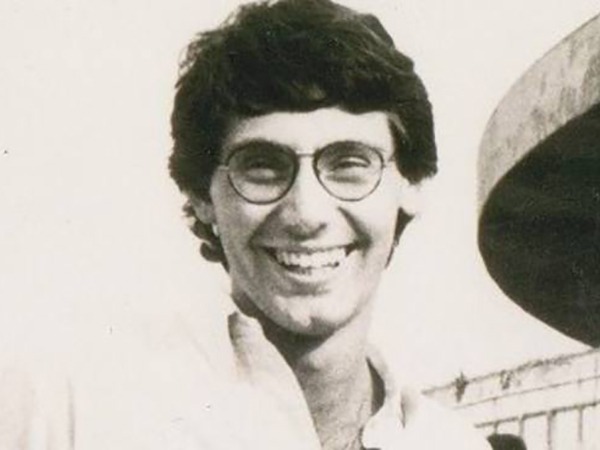
Giancarlo Siani, born on September 19, 1959, in Naples, Italy, is remembered as a courageous journalist whose dedication to uncovering the truth cost him his life at the young age of 26. His work, primarily focused on exposing the criminal activities of the Camorra, a powerful Neapolitan mafia organization, made him a target. This article delves into the life, career, and tragic fate of Giancarlo Siani, exploring his rise to prominence, the significant impact of his journalism, and the lasting legacy he left behind.
Early Life and Education
Giancarlo Siani was born into a middle-class family in Naples, a city known for its rich culture and history, but also for its struggles with organized crime. From a young age, Siani showed a keen interest in societal issues, particularly those affecting his native region. He attended the Giovanbattista Vico High School, where his academic prowess became evident. His passion for learning, particularly in the humanities, led him to enroll at the University of Naples Federico II, where he pursued a degree in Political Science.
While studying at the university, Siani began to cultivate an interest in journalism. He was drawn to the profession not merely as a career choice, but as a vocation—one that would allow him to shine a light on the darker aspects of society. This sense of purpose became the driving force behind his work, as he sought to expose the underbelly of Neapolitan life dominated by the Camorra.
The Beginnings of a Journalistic Career
Giancarlo Siani’s foray into journalism began with his contributions to local periodicals, where he started reporting on the activities of the Camorra. His early work involved writing for the “Osservatorio sulla Camorra,” a publication focused on monitoring and exposing the criminal activities of the mafia. Siani’s reports were notable for their depth of research and fearless approach, often covering topics that others in the media shied away from due to the inherent risks.
In the early 1980s, Siani began working as a correspondent for “Il Mattino,” one of Naples’ most prominent newspapers. Based in Torre Annunziata, a town plagued by Camorra influence, Siani quickly made a name for himself as a tenacious and relentless journalist. His articles were characterized by their thorough investigation and incisive critique of the criminal networks that operated with impunity in the region.
The Investigative Journalism That Sealed His Fate
Siani’s work at “Il Mattino” took a significant turn when he began covering the internal dynamics of the Camorra, particularly focusing on the power struggles and alliances within the organization. One of his most notable articles, published on June 10, 1985, provided a detailed account of the arrest of Valentino Gionta, a notorious Camorra boss from Torre Annunziata. In this article, Siani exposed the fragile alliances between Gionta and Lorenzo Nuvoletta, another powerful Camorra figure with ties to the Sicilian Mafia under the leadership of Totò Riina.
The article was groundbreaking, as it revealed the precarious nature of Camorra alliances and hinted at the possibility of Gionta being “sacrificed” by his allies to end a bloody feud with another Camorra clan, the Bardellino family. This piece of investigative journalism, however, came at a grave cost. The information Siani uncovered was too sensitive for the criminal underworld to tolerate, and it effectively marked him for death.
The Murder of Giancarlo Siani
On the evening of September 23, 1985, Giancarlo Siani was brutally murdered outside his home in the Vomero district of Naples. He had just returned home after a day of work at “Il Mattino” and was sitting in his Citroën Méhari when two assassins approached and fired multiple shots at him, killing him instantly. Siani was only 26 years old at the time of his death, having celebrated his birthday just days earlier.
The murder of Giancarlo Siani shocked Italy and drew widespread condemnation. It was clear that his assassination was a direct result of his fearless reporting on the Camorra. The loss of such a promising young journalist highlighted the extreme dangers faced by those who dared to challenge the powerful criminal organizations in Italy.
The Aftermath and Judicial Proceedings
The murder of Giancarlo Siani triggered a lengthy and complex judicial process. Initially, the investigation into his death was marred by misinformation and false leads, with some attempts to downplay the murder as a personal matter rather than a mafia hit. However, thanks to the persistence of dedicated individuals, including public prosecutor Armando D’Alterio, the case was eventually reopened.
The breakthrough in the investigation came from the testimony of Salvatore Migliorino, a former member of the Gionta clan who turned state witness. Migliorino’s statements, along with those of other pentiti (mafia informants), helped piece together the events leading to Siani’s murder. It was established that the assassination had been ordered by the Camorra leadership in retaliation for Siani’s revelations about the internal conflicts and power struggles within the organization.
In 1997, twelve years after Siani’s death, Ciro Cappuccio and Armando Del Core were convicted of his murder and sentenced to life imprisonment. Cappuccio, one of the gunmen, was apprehended and tried after being captured near Civitavecchia, Rome. Del Core, who was also directly involved in the killing, received the same sentence. The convictions brought some measure of justice, but they could never undo the loss of a life so full of promise.
Giancarlo Siani’s Legacy
Giancarlo Siani’s death is a stark reminder of the perils faced by journalists who dare to challenge organized crime. His bravery and commitment to the truth have made him a symbol of journalistic integrity and courage in Italy and around the world. Over the years, his legacy has been honored in numerous ways, ensuring that his contributions to the fight against the Camorra are not forgotten.
In Naples, a square has been named in his honor, and his memory is celebrated annually on September 23rd, the anniversary of his death. His story has also been the subject of books, documentaries, and films, including “Fortapàsc,” a 2009 movie that dramatizes the last year of Siani’s life, directed by Marco Risi. The film brought Siani’s story to a wider audience, highlighting the risks faced by those who seek to expose the truth in environments dominated by corruption and violence.
Moreover, Giancarlo Siani has become an emblematic figure in the ongoing struggle for press freedom and the protection of journalists. His story is often cited in discussions about the importance of safeguarding journalistic independence, particularly in regions where organized crime and corruption are prevalent. His life and work continue to inspire new generations of journalists who see in Siani a model of courage, dedication, and ethical responsibility.
The Broader Context: Journalism and Organized Crime in Italy
Giancarlo Siani’s assassination occurred during a period of intense conflict between the Italian state and organized crime. The 1980s were marked by violent clashes between rival mafia factions, as well as concerted efforts by law enforcement and the judiciary to dismantle these criminal networks. Journalists like Siani played a crucial role in this struggle by exposing the workings of the mafia to the public, often at great personal risk.
The Camorra, in particular, has a long history of silencing those who threaten its operations. Journalists, judges, and police officers who refuse to be intimidated are frequently targeted, as the mafia seeks to maintain its control over communities and protect its illicit enterprises. Siani’s murder fits into this broader pattern of violence against those who stand up to the mafia, but his case also highlights the resilience and determination of those who continue to fight for justice and transparency.
Conclusion
Giancarlo Siani’s life and work serve as a powerful testament to the role of journalism in holding power to account and exposing the truth, even in the face of grave danger. His dedication to uncovering the realities of the Camorra’s influence in Naples ultimately led to his tragic death, but his legacy lives on as a symbol of courage and integrity in journalism.
The story of Giancarlo Siani is not just a tale of a journalist’s life cut short by violence; it is also a reminder of the essential role that a free and fearless press plays in any society. His work continues to inspire journalists around the world to pursue the truth, no matter the cost, and his memory remains a beacon of hope in the ongoing struggle against corruption and organized crime.


