
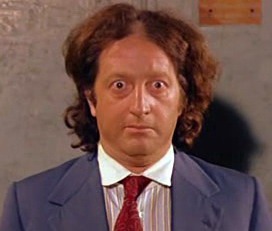
Gianfranco D’Angelo was a celebrated Italian comedian, actor, and television personality who became a beloved figure in the Italian entertainment industry. His career spanned several decades, during which he became known for his unique comedic style, versatile performances, and charismatic presence on both television and stage. This article delves into the life, career, and legacy of Gianfranco D’Angelo, providing a comprehensive overview of his contributions to Italian culture and entertainment.
Early Life and Background
Gianfranco D’Angelo was born on August 19, 1936, in Rome, Italy. Growing up in post-war Italy, D’Angelo was influenced by the rapidly changing cultural landscape. The 1950s and 1960s were transformative years for Italy, marked by economic growth and the rise of mass media, particularly television. It was in this environment that D’Angelo developed a passion for entertainment, particularly comedy, which would become the cornerstone of his career.
Rise to Fame: The Beginning of a Comedy Legend
D’Angelo began his career in the 1960s, initially gaining recognition through his performances in local theaters and cabarets. His talent for impersonations, quick wit, and ability to engage audiences soon caught the attention of television producers. This led to his first significant break on Italian television in the late 1960s and early 1970s.
One of the pivotal moments in D’Angelo’s career was his involvement in the Italian variety show “Drive In,” which aired in the early 1980s. “Drive In” was a revolutionary program in Italian television, blending satire, comedy sketches, and music. D’Angelo’s performances on the show were highly popular, establishing him as one of the leading comedians of the era. His characters, often caricatures of Italian societal types, resonated with audiences and became cultural icons.
Career Highlights: Television, Film, and Stage
Throughout the 1980s and 1990s, Gianfranco D’Angelo’s career continued to flourish. He became a staple on Italian television, appearing in various shows that showcased his comedic talents. Notably, his roles in “Striscia la Notizia,” an Italian satirical news program, further cemented his status as a comedy icon. The show, which combined humor with a critique of current events, allowed D’Angelo to demonstrate his versatility as a performer, able to tackle both light-hearted and more serious subject matter.
In addition to television, D’Angelo also made a significant impact in film and theater. He appeared in several Italian comedy films, where his performances were often lauded for their timing and character depth. On stage, D’Angelo was equally impressive, bringing his comedic flair to a wide range of theatrical productions. His ability to transition seamlessly between different mediums—television, film, and theater—highlighted his versatility as an entertainer.
Personal Life: Behind the Curtain
While Gianfranco D’Angelo was a public figure, he remained relatively private about his personal life. He was known to be a devoted family man, often keeping his family life out of the public eye. This separation between his public persona and private life contributed to his lasting appeal, allowing fans to focus on his work and contributions to entertainment.
Despite his fame, D’Angelo was often described as humble and down-to-earth by those who knew him. His colleagues and fans admired him not just for his talent, but also for his professionalism and dedication to his craft. These qualities helped him maintain a successful and long-lasting career in a highly competitive industry.
Legacy and Impact: A Lasting Influence on Italian Comedy
Gianfranco D’Angelo’s impact on Italian comedy and entertainment cannot be overstated. He was a pioneer in many respects, pushing the boundaries of what was considered acceptable in television comedy. His work on “Drive In” and other programs helped shape the landscape of Italian television, influencing generations of comedians who followed in his footsteps.
D’Angelo’s characters often reflected the quirks and idiosyncrasies of Italian society, making his humor relatable and enduring. Even years after his performances, his sketches and characters continue to be celebrated in Italian pop culture. His ability to connect with audiences on such a deep level is a testament to his skill as a performer and his understanding of the human condition.
The Later Years: A Continued Presence in Entertainment
In the later years of his career, Gianfranco D’Angelo continued to make occasional appearances on television and in theater. While he gradually reduced his public appearances, his legacy in the entertainment industry remained strong. He occasionally participated in retrospectives and interviews, where he reflected on his career and the evolution of Italian comedy.
Despite the changes in the entertainment industry over the decades, D’Angelo’s work remained relevant. Younger generations of comedians and entertainers often cited him as an influence, and his sketches were frequently revisited in television specials and online platforms. This ongoing recognition underscores the timelessness of his comedy and the enduring nature of his contributions to Italian culture.
Conclusion: Celebrating a Comedy Icon
Gianfranco D’Angelo passed away on August 15, 2021, just days before his 85th birthday. His death marked the end of an era in Italian comedy, but his legacy lives on. As an entertainer who brought joy to millions, D’Angelo’s influence continues to be felt in the world of Italian entertainment. His ability to connect with audiences through humor, while also addressing deeper societal issues, sets him apart as one of the greats in Italian television and comedy history.
Gianfranco D’Angelo’s life and career serve as a reminder of the power of comedy to entertain, challenge, and inspire. His contributions to Italian culture are immeasurable, and his work will continue to be celebrated for generations to come.


