
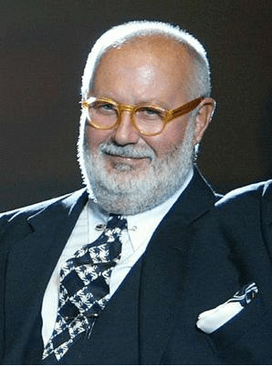
Gianfranco Ferrè is a name that echoes through the halls of fashion history, revered for his architectural approach to design and his unparalleled contribution to the industry. Born on August 15, 1944, in Legnano, Italy, Ferrè’s journey from a student of architecture to a globally celebrated fashion designer is a testament to his visionary creativity, meticulous craftsmanship, and unyielding dedication to his craft.
Early Life and Education
Gianfranco Ferrè was born into a middle-class family in the town of Legnano, situated near Milan, a city that would later become central to his career. From an early age, Ferrè exhibited a keen interest in the arts, particularly in drawing and design. However, his initial academic pursuit was not in fashion, but in architecture—a field that would profoundly influence his future work.
Ferrè enrolled at the Politecnico di Milano, one of Italy’s most prestigious universities, where he earned a degree in architecture in 1969. His academic background in architecture played a crucial role in shaping his approach to fashion design. It instilled in him a deep appreciation for structure, form, and function—elements that would become the hallmark of his design aesthetic.
The Unexpected Entry into Fashion
Gianfranco Ferrè’s foray into the fashion world was somewhat serendipitous. After graduating, Ferrè began designing jewelry and accessories, a venture that unexpectedly opened doors to the fashion industry. His early work caught the attention of established designers like Walter Albini and Christane Baily, with whom he collaborated, gradually making a name for himself in the competitive world of fashion.
A pivotal moment in Ferrè’s early career came with his decision to travel to India in the early 1970s. He lived and worked there for several years, immersing himself in the country’s rich cultural heritage. This experience had a profound impact on Ferrè, influencing his aesthetic sensibilities and his approach to design. The vibrant colors, intricate textiles, and traditional craftsmanship of India would later be reflected in his collections, adding a unique and exotic touch to his work.
The Birth of the Gianfranco Ferrè Brand
In 1978, Gianfranco Ferrè took a significant step by establishing his fashion house, Gianfranco Ferrè SpA. With this move, Ferrè transitioned from a designer of accessories to a creator of haute couture and prêt-à-porter collections. His early collections were marked by a distinctive blend of architectural precision and artistic expression, setting him apart from his contemporaries.
Ferrè’s designs were characterized by their structural integrity, with garments that often featured sharp lines, bold shapes, and innovative use of materials. His architectural background was evident in the way he constructed his garments, treating each piece as a “project” rather than just a piece of clothing. This approach earned him the nickname “The Architect of Fashion,” a title that Ferrè embraced throughout his career.
One of Ferrè’s early successes was the launch of his women’s prêt-à-porter collection, which quickly garnered attention for its elegance, sophistication, and attention to detail. In 1984, he expanded his brand by introducing his first women’s fragrance, further establishing Gianfranco Ferrè as a luxury brand synonymous with quality and style.
The Dior Era: A Prestigious Appointment
In the late 1980s, Gianfranco Ferrè’s career reached new heights when he was appointed as the Artistic Director of Christian Dior, one of the most prestigious fashion houses in the world. This appointment was both unexpected and groundbreaking, as Ferrè became the first Italian designer to lead the legendary French brand.
Ferrè’s tenure at Dior, which began in 1989, was marked by a reinvigoration of the brand’s aesthetic. He brought a new sense of modernity and structure to Dior’s collections, while still respecting the brand’s rich heritage. Ferrè’s designs for Dior were lauded for their elegance, refinement, and architectural precision—qualities that had become synonymous with his name.
During his time at Dior, Ferrè continued to innovate and push the boundaries of fashion design. He introduced bold silhouettes, luxurious fabrics, and intricate detailing, all while maintaining the feminine essence that Dior was known for. His work at Dior earned him widespread acclaim and solidified his reputation as one of the leading designers of his time.
Expansion of the Gianfranco Ferrè Brand
While Ferrè was busy revolutionizing Dior, he did not neglect his eponymous brand. The 1990s saw a significant expansion of the Gianfranco Ferrè brand, with the introduction of new lines and the opening of flagship stores in major fashion capitals around the world.
In 1996, Ferrè launched the Gianfranco Ferrè Jeans line, which brought his signature style to a broader audience. This line was characterized by its casual elegance, combining Ferrè’s architectural approach with the more relaxed and accessible style of denim. The success of this line further cemented Ferrè’s status as a versatile designer capable of catering to different market segments.
Two years later, in 1998, Ferrè inaugurated a new headquarters in the historic Palazzo Gondrand in Milan. This move symbolized the growing influence and success of the Gianfranco Ferrè brand, which by this time had become a global powerhouse in the fashion industry.
The year 2000 marked another milestone with the launch of a children’s line, expanding the brand’s reach to younger audiences. This period also saw strategic business developments, including a partnership with the GTP Group (Gruppo Tonino Perna), which acquired a 90% stake in Gianfranco Ferrè SpA. This partnership was aimed at further expanding the brand’s global presence and ensuring its continued growth.
The Gianfranco Ferrè Aesthetic: Architectural Fashion
Gianfranco Ferrè’s design philosophy was deeply rooted in his background in architecture. He approached fashion design as an architect approaches a building, focusing on structure, proportion, and form. Ferrè’s garments were often characterized by their sculptural quality, with precise cuts, tailored silhouettes, and innovative use of materials.
Ferrè was known for his ability to create garments that were both powerful and feminine. His designs often featured strong, clean lines that accentuated the natural curves of the body, creating a harmonious balance between structure and fluidity. Ferrè’s use of luxurious fabrics, intricate detailing, and bold color palettes added an element of opulence to his collections, making each piece a work of art.
One of the defining features of Ferrè’s work was his ability to blend different cultural influences into his designs. His time in India, as well as his travels around the world, exposed him to a wide range of artistic and cultural traditions, which he seamlessly integrated into his collections. This global perspective gave Ferrè’s work a unique and timeless quality, setting him apart from his contemporaries.
Legacy and Impact on the Fashion Industry
Gianfranco Ferrè’s contributions to the fashion industry go beyond his individual achievements. He played a significant role in elevating Italian fashion on the global stage, helping to establish Milan as one of the world’s leading fashion capitals. His work at Dior also had a lasting impact on the brand, influencing future designers and shaping the direction of the house for years to come.
Ferrè’s legacy is one of innovation, elegance, and a deep understanding of the relationship between fashion and architecture. His approach to design has inspired countless designers, and his influence can still be seen in the work of contemporary fashion houses. Ferrè’s ability to combine structure with fluidity, and tradition with modernity, has left an indelible mark on the fashion world.
In addition to his work as a designer, Ferrè was also dedicated to education and mentorship. He frequently lectured on fashion and design at universities around the world, including in Tokyo and New York. In 2007, he was appointed President of the Accademia di Belle Arti di Brera in Milan, a position that allowed him to shape the next generation of fashion designers.
The Final Years and Passing
Gianfranco Ferrè’s life and career were tragically cut short on June 17, 2007, when he passed away in Milan due to a sudden cerebral hemorrhage. His death was a significant loss to the fashion world, as Ferrè was not only a brilliant designer but also a mentor, educator, and visionary.
Ferrè’s passing marked the end of an era in fashion, but his legacy continues to live on through his work and the impact he had on the industry. The Gianfranco Ferrè brand remains a symbol of luxury, elegance, and architectural precision, and his influence continues to inspire designers around the world.
Conclusion: Gianfranco Ferrè’s Enduring Legacy
Gianfranco Ferrè’s journey from a small town in Italy to the heights of the global fashion industry is a story of talent, perseverance, and innovation. His unique approach to design, which blended the principles of architecture with the art of fashion, set him apart as one of the most influential designers of his time.
Ferrè’s work continues to be celebrated for its elegance, precision, and timeless quality. His legacy is not only reflected in the garments he created but also in the countless designers he inspired and the lasting impact he had on the fashion industry. As we look back on the life and career of Gianfranco Ferrè, we are reminded of the power of creativity and the enduring influence of a true visionary.


