
Introduction
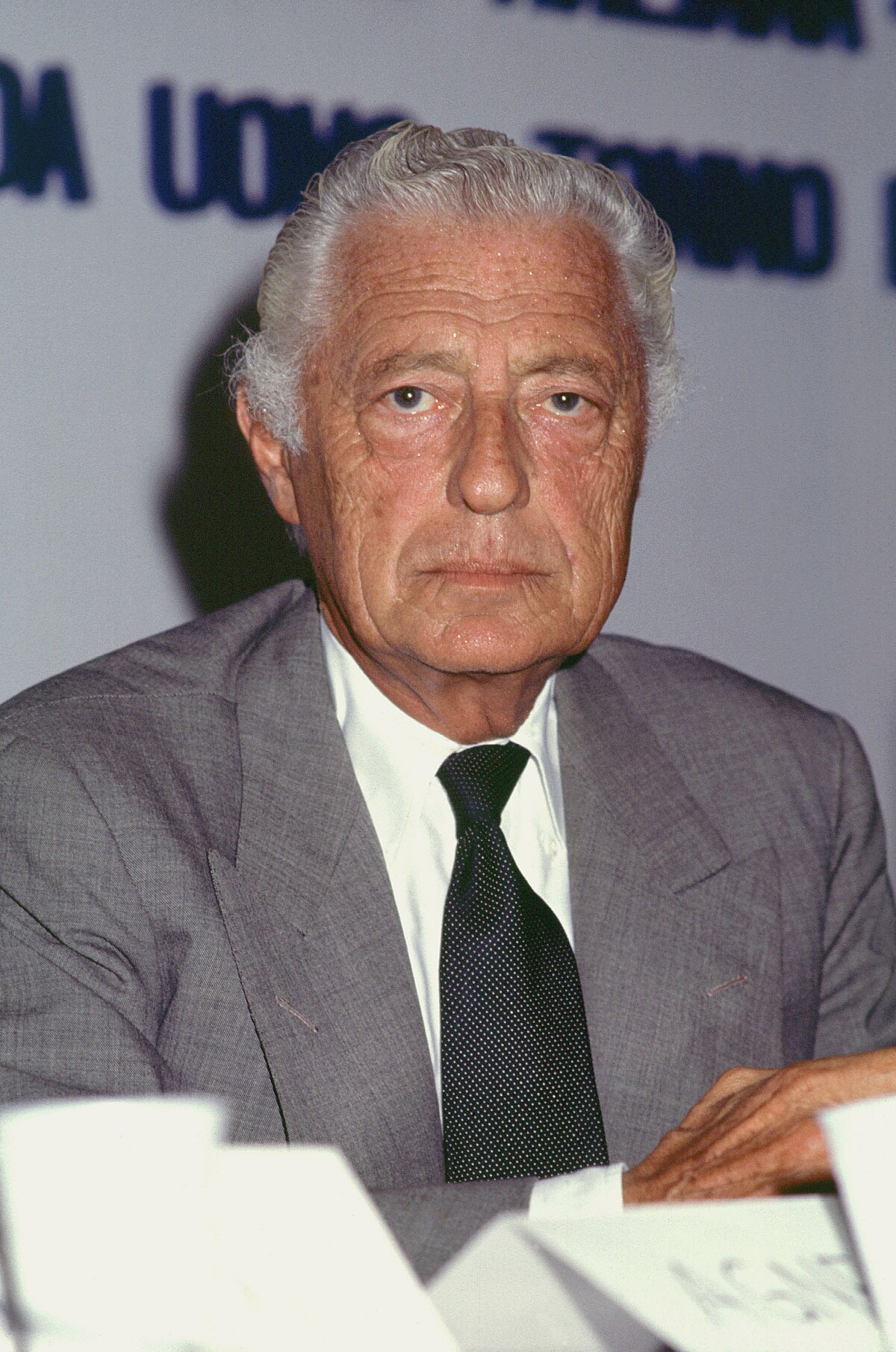
Giovanni Agnelli, more commonly known as Gianni Agnelli or “l’Avvocato” (The Lawyer), is a towering figure in the annals of Italian industrial history. Born on March 12, 1921, in Turin, Italy, Agnelli is a name synonymous with the automotive giant Fiat. His life and career spanned a transformative era for both Italy and the global automotive industry, making him a subject of immense interest and reverence. This article delves into his age, rise to fame, and the significant highlights of his life, providing a comprehensive understanding of one of the most influential figures in 20th-century capitalism.
Early Life and Family Background
Gianni Agnelli was born into a family of industrialists. His grandfather, Giovanni Agnelli, founded Fiat (Fabbrica Italiana Automobili Torino) in 1899. This set the stage for Gianni’s future in the company that would become an industrial behemoth. The young Agnelli was educated at the best institutions, preparing him for the immense responsibilities he would eventually assume.
Rise to Prominence
Gianni Agnelli’s entry into Fiat was not merely a consequence of his birthright but also a result of his acumen and visionary leadership. After World War II, Italy was in ruins, and the country’s economy needed robust industrial leaders. Agnelli stepped into this role with remarkable efficacy.
Early Career and Challenges
In the post-war era, Fiat was under the leadership of Vittorio Valletta, a shrewd manager who laid the foundations for the company’s growth. Agnelli worked under Valletta as vice-president, gaining invaluable experience. By 1966, Agnelli was ready to take the reins as the president of Fiat. His tenure began amidst significant social and economic upheavals, including student protests and labor strikes. These were times that tested his leadership and resilience.
Fiat’s Expansion and Economic Boom
Under Agnelli’s leadership, Fiat not only recovered but flourished. The company became a symbol of Italy’s economic boom, producing iconic vehicles like the Fiat 600 and Fiat 500, which became symbols of Italian ingenuity and accessible mobility. Agnelli’s strategic decisions, such as fostering immigration from Southern Italy to meet labor demands and negotiating with unions, were crucial to Fiat’s success.
Leadership Style and Public Persona
Gianni Agnelli’s leadership style was characterized by a blend of charisma, pragmatism, and a deep understanding of both the market and the socio-political landscape. His ability to mediate and navigate through Italy’s complex labor environment was instrumental in maintaining industrial peace and productivity.
The Image of “l’Avvocato”
Agnelli was not just a business leader but also a style icon. Known for his impeccable fashion sense, he often wore his watch over his shirt cuff, a trend that became a hallmark of his public image. His lifestyle, characterized by elegance and sophistication, made him a subject of fascination and emulation.
Key Achievements and Milestones
Presidency of Confindustria
From 1974 to 1976, Agnelli served as the president of Confindustria, Italy’s employers’ federation. His tenure was marked by efforts to stabilize the Italian economy and industrial sector during a period of political and economic turbulence. His role was pivotal in navigating the compromises between the government, industries, and labor unions.
The 1970s Crises and the “Hot Autumn”
The late 1970s were challenging for Fiat and the broader Italian economy. Faced with economic downturns and labor unrest, Fiat had to make difficult decisions, including mass layoffs. The period saw intense confrontations between management and unions, culminating in the famous 35-day strike at Fiat’s Mirafiori plant. Agnelli’s adept handling of these crises, including negotiating and implementing a landmark layoff scheme, showcased his crisis management skills.
Diversification and Global Expansion
The 1980s marked a period of diversification for Fiat under Agnelli’s leadership. The company expanded beyond automotive manufacturing into sectors such as publishing, insurance, and high technology. Acquisitions included iconic brands like Alfa Romeo and Ferrari, consolidating Fiat’s position as a global automotive powerhouse.
Personal Life and Legacy
Family Tragedies
Despite his professional success, Agnelli’s personal life was marred by tragedies. His son, Edoardo, struggled with personal demons and ultimately took his own life in 2000. Another significant loss was the premature death of his nephew Giovannino, who was groomed to take over the family business.
Later Years and Death
In his later years, Agnelli continued to be a prominent figure in both business and public life. In 1991, he was appointed a Senator for life in the Italian Parliament, reflecting his influence and contributions to Italy. He stepped down from the day-to-day operations of Fiat in the mid-1990s, passing the leadership to a new generation, including his grandson John Elkann.
Final Years and Passing
Gianni Agnelli passed away on January 24, 2003, after a prolonged illness. His death was a significant moment in Italy, marking the end of an era. His funeral was a state affair, attended by dignitaries, business leaders, and ordinary Italians who admired him.
Historical Context and Influence
Post-War Italy and Industrialization
Agnelli’s life and career must be understood within the broader context of post-war Italy’s industrialization and economic revival. His leadership at Fiat played a crucial role in this transformation, helping to rebuild and modernize Italy’s industrial base.
The “Economic Miracle”
The period known as the “Italian Economic Miracle” saw rapid industrial growth and modernization, with Fiat at its forefront. Agnelli’s strategic vision and managerial prowess were instrumental in this success. He transformed Fiat into a global entity, making significant inroads into international markets.
Social and Political Impact
Agnelli was not just a businessman but also a social and political figure. His ability to navigate the complexities of Italian politics, including the “historic compromise” between the Communist Party and the Christian Democrats, was a testament to his astute understanding of the socio-political landscape. His approach to labor relations, characterized by negotiation and pragmatism, set a benchmark in industrial relations.
Conclusion
Gianni Agnelli remains an iconic figure in the history of Italian industry and beyond. His life story is a testament to visionary leadership, resilience in the face of adversity, and the ability to adapt and thrive in changing times. From the ruins of post-war Italy to the heights of global industrial leadership, Agnelli’s journey is a remarkable narrative of success, style, and enduring influence.


