
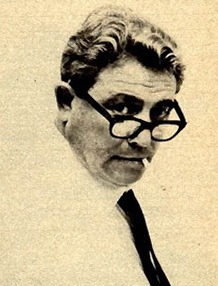
Gianni Brera, born Giovanni Luigi Brera on September 8, 1919, in San Zenone al Po, Lombardy, Italy, was a renowned Italian sports journalist and novelist. Known for his profound influence on Italian sports journalism, particularly in the realm of football (calcio), Brera’s career spanned several decades. He is celebrated for his innovative language, insightful commentary, and significant contributions to the cultural fabric of Italian sports. This article delves into Brera’s life, his rise to fame, and the significant highlights of his career, providing detailed insights and historical context.
Early Life and Background
Gianni Brera was born in the small town of San Zenone al Po, near Pavia, into a humble family. His father, Carlo Brera, was a tailor, and his mother, Marietta Ghisoni, managed their household. Brera’s early life was marked by the simplicity and hardship typical of rural Italy in the early 20th century. Despite these challenges, he demonstrated an early aptitude for writing and a passion for sports, particularly football.
Brera’s education played a crucial role in shaping his future career. He attended classical high school in Pavia, where he developed a love for literature and writing. This period also saw the beginning of his lifelong fascination with sports, especially football. His early writings reflected a deep understanding of the game and its cultural significance in Italy.
Rise to Fame in Sports Journalism
Gianni Brera’s career in journalism began during World War II. After the war, he started working for various newspapers, including “Gazzetta dello Sport,” Italy’s most prominent sports daily. His unique style, characterized by a rich and innovative use of language, quickly set him apart from his peers. Brera’s writing was not just about reporting scores and events; it was about capturing the essence of the sport and its impact on society.
Innovations in Sports Writing
Brera is credited with revolutionizing sports journalism in Italy. He introduced a new lexicon to describe football, coining terms that are still in use today. For instance, he popularized the use of “libero” to describe the free-roaming defensive position, and “catenaccio,” a term for a defensive style of play. His vivid descriptions and deep understanding of the game provided readers with insights that went beyond the pitch.
Key Contributions and Milestones
“Gazzetta dello Sport”
Brera’s tenure at “Gazzetta dello Sport” was marked by his ability to blend sports analysis with cultural commentary. His columns became a must-read for football enthusiasts, offering perspectives that combined tactical analysis with literary flair. He was not afraid to critique players, coaches, and even the state of Italian football, earning him both admirers and detractors.
Literary Works
In addition to his journalism, Brera was also an accomplished novelist. His books often drew from his experiences and insights into the world of sports. Titles like “Il corpo della ragassa” (The Body of the Girl) showcased his ability to intertwine sports with broader human experiences and societal issues. His literary works further cemented his reputation as a multifaceted writer who could transcend the boundaries of sports journalism.
Personal Life and Influence
Gianni Brera’s personal life was as colorful and dynamic as his writing. He was known for his strong opinions and passionate nature, traits that were reflected in his work. Brera’s marriage to Rina De Grada, an artist and daughter of painter Raffaele De Grada, introduced him to the world of art and culture, enriching his perspectives and broadening his intellectual horizons.
Political and Cultural Impact
Brera’s influence extended beyond the realm of sports. He was a keen observer of Italian society and politics, often using his platform to comment on broader cultural issues. His critiques were not limited to football; they encompassed the changing dynamics of post-war Italy, reflecting his deep engagement with the world around him.
Legacy and Recognition
Gianni Brera’s legacy in sports journalism is unparalleled. He is often referred to as the “godfather of Italian sports writing,” and his contributions have left an indelible mark on the field. His innovative approach to sports commentary and his ability to capture the cultural significance of football have inspired generations of journalists.
Brera received numerous accolades for his work, including awards from journalistic and cultural institutions. His writings continue to be studied and celebrated, highlighting the enduring relevance of his insights and the timeless quality of his prose.
Later Years and Continuing Influence
In his later years, Gianni Brera continued to write, contributing to various publications and maintaining his role as a leading voice in Italian sports journalism. Despite the changing landscape of media, Brera’s influence remained strong, and his work continued to resonate with readers.
Teaching and Mentorship
Brera also dedicated time to teaching and mentoring young journalists. He believed in the importance of nurturing new talent and sharing his knowledge and experience with the next generation. His mentorship helped shape the careers of many successful journalists who have carried forward his legacy.
Death and Posthumous Recognition
Gianni Brera passed away on December 19, 1992, in Codogno, Italy. His death marked the end of an era in Italian sports journalism, but his contributions continue to be remembered and celebrated. Posthumously, Brera has been honored through various tributes, including awards named after him and retrospectives of his work.
Conclusion
Gianni Brera’s life and career are a testament to the power of journalism to influence and shape public discourse. His innovative approach to sports writing, combined with his deep understanding of Italian culture and society, made him a towering figure in journalism. Brera’s legacy is not just confined to the world of sports; it extends to literature, culture, and the broader field of journalism.
His writings continue to inspire and educate, providing valuable insights into the world of football and the cultural dynamics of Italy. As we reflect on his contributions, Gianni Brera remains a symbol of journalistic excellence and intellectual curiosity, whose work transcends the boundaries of time and continues to resonate with new generations of readers.


