
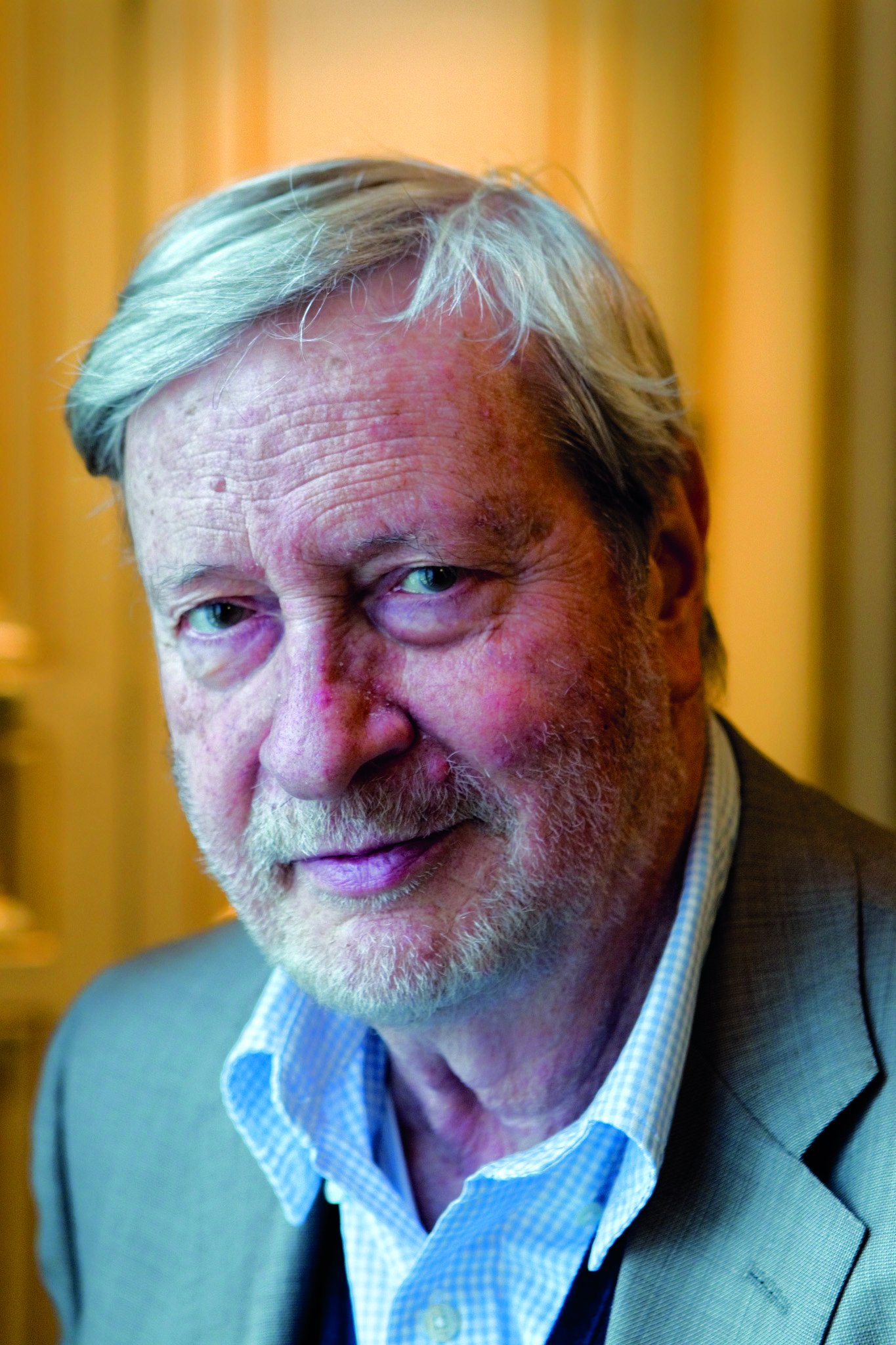
Introduction
Gianni Vattimo, born on January 4, 1936, in Turin, Italy, was a philosopher and politician whose intellectual contributions have left an indelible mark on contemporary philosophy. Known for his development of “weak thought” (pensiero debole), Vattimo challenged the rigid structures of traditional metaphysical thinking and proposed a more flexible, tolerant approach to philosophy and life. His work, which spans decades, not only influenced philosophical thought but also resonated deeply within political and social spheres. This article explores the life, career, and impact of Gianni Vattimo, shedding light on his philosophical innovations, his political engagements, and his legacy.
Early Life and Academic Background
Gianni Vattimo was born and raised in Turin, where he developed an early interest in philosophy. He pursued his studies at the University of Turin, where he earned a degree in philosophy. Vattimo’s intellectual journey continued at the University of Heidelberg in Germany, where he studied under the tutelage of Hans-Georg Gadamer and Karl Löwith, two prominent figures in hermeneutics and existential philosophy. This experience profoundly shaped Vattimo’s approach to philosophy, leading him to explore the intersections of hermeneutics, nihilism, and postmodernity.
In 1964, Vattimo began teaching at the University of Turin, a position he would hold for many years. His academic career also included visiting professorships at several prestigious American universities, including Yale, the University of California, Los Angeles, and New York University. Vattimo’s international experience enriched his philosophical perspectives and established him as a significant figure in both European and American intellectual circles.
Philosophical Contributions: The Development of Weak Thought
Gianni Vattimo is perhaps best known for his concept of “weak thought” (pensiero debole), which he developed as a response to the dominant trends in Western philosophy. In the post-World War II era, philosophy was often characterized by its search for absolute truths and rigid ontological structures. Vattimo, influenced by thinkers such as Friedrich Nietzsche and Martin Heidegger, sought to challenge these rigid frameworks.
Weak thought is a philosophical approach that embraces the idea of the “weakening” of strong, dogmatic beliefs. It suggests that in a postmodern world, where grand narratives and absolute truths are increasingly questioned, philosophy should reflect a more modest, pluralistic approach to truth and reality. Vattimo argued that this weakening is not a negative process but a necessary one, leading to greater openness, tolerance, and the potential for emancipation from oppressive structures.
In his works, Vattimo linked weak thought to the broader cultural and social processes of secularization, democratization, and the acceptance of pluralism. He contended that the weakening of traditional metaphysical categories allowed for a more humane and tolerant society, where multiple perspectives could coexist without the imposition of a singular, authoritative truth.
Influence and Reception
The concept of weak thought resonated widely within academic and intellectual circles, both in Italy and internationally. It offered a fresh perspective on postmodernism, one that was less focused on the fragmentation of meaning and more on the possibilities that arise from embracing a plurality of interpretations. Vattimo’s work was influential not only in philosophy but also in fields such as cultural studies, political theory, and theology.
In addition to his philosophical work, Vattimo was a prolific writer and commentator, contributing to various Italian and international publications, including La Stampa, L’Espresso, El País, and Clarín. His writings extended beyond academic philosophy, addressing contemporary political and social issues, and further solidifying his role as a public intellectual.
Political Engagement
Gianni Vattimo’s commitment to philosophy was paralleled by his engagement in politics. His political career began in the 1990s when he became involved with the Radical Party, a political group known for its advocacy of civil liberties, human rights, and progressive social reforms. Vattimo’s political philosophy, rooted in his commitment to reducing dogmatism and promoting tolerance, naturally aligned with the party’s principles.
Vattimo later aligned himself with the center-left coalition known as L’Ulivo (The Olive Tree), supporting its efforts to promote democratic values in Italy. He served as a Member of the European Parliament for the Democratic Party of the Left (now part of the Democratic Party), where he focused on cultural, educational, and human rights issues.
During his tenure in the European Parliament, Vattimo was an active member of several important committees, including the Committee on Culture, Youth, Education, the Media, and Sport. He also served as a substitute member of the Committee on Citizens’ Freedoms and Rights, Justice, and Home Affairs, and was involved in the EU-South Africa Parliamentary Delegation. Vattimo’s political work was deeply informed by his philosophical beliefs, particularly his commitment to reducing violence and promoting a more just and equitable society.
Contributions to Christian Thought
Although Vattimo was a vocal critic of institutional religion, particularly the Catholic Church, he remained deeply engaged with Christian thought throughout his life. His approach to Christianity was heavily influenced by his philosophy of weak thought. In works such as Credere di credere (Believing That One Believes), Vattimo proposed a form of Christianity that is stripped of dogmatism and authoritarianism, focusing instead on the message of love, humility, and tolerance.
Vattimo argued for a “secularized Christianity,” one that does not rely on the traditional structures of the Church but is instead based on the concept of kenosis—the idea of God’s self-emptying, as described in Christian theology. For Vattimo, this concept of kenosis mirrored the process of weakening that he advocated in his philosophical work. He believed that embracing a non-dogmatic, weakened form of Christianity could lead to greater social acceptance of diversity and a reduction in cultural and religious conflict.
Personal Life and Legacy
Gianni Vattimo was open about his personal life, including his homosexuality, which he reconciled with his Christian faith in a way that challenged traditional religious views. His openness about his sexuality and his relationship with his partner, Sergio Mamino, who passed away in 2003, was a significant aspect of his public persona. Vattimo’s personal experiences, including the loss of Mamino, deeply influenced his later philosophical work, particularly his reflections on suffering, love, and the human condition.
Vattimo’s influence extended far beyond his philosophical writings. He was an advocate for LGBTQ+ rights and a vocal critic of social injustices. His work in the European Parliament and his involvement in various cultural and political initiatives reflected his commitment to using philosophy as a tool for social change.
On September 19, 2023, Gianni Vattimo passed away at the age of 87 in Rivoli, Italy. His death marked the end of a remarkable career that had a profound impact on both philosophical thought and political discourse. Vattimo’s legacy lives on through his extensive body of work, which continues to inspire scholars, thinkers, and activists around the world.
Final Reflections: Vattimo’s Enduring Influence
Gianni Vattimo’s life and work embody the intersection of philosophy, politics, and personal experience. His concept of weak thought challenged the traditional foundations of Western philosophy, offering a new way of thinking about truth, reality, and the role of philosophy in the modern world. Vattimo’s ideas about the weakening of strong metaphysical structures and the embrace of pluralism remain relevant in today’s complex, globalized society.
His contributions to Christian thought, particularly his vision of a secularized Christianity, continue to influence contemporary theological debates. Vattimo’s belief in a more open, tolerant form of religion reflects his broader commitment to a philosophy that promotes peace, understanding, and the reduction of violence.
Vattimo’s political career, marked by his work in the European Parliament and his advocacy for civil rights, demonstrates the practical application of his philosophical principles. He used his platform to fight against dogmatism and injustice, always remaining true to his belief in the power of philosophy to bring about positive change in the world.
As we reflect on Gianni Vattimo’s life, it is clear that his influence will endure. His work challenges us to rethink our assumptions about truth, power, and the role of philosophy in society. Vattimo’s legacy is one of intellectual courage, moral commitment, and a deep belief in the potential for philosophy to make the world a better place.


