
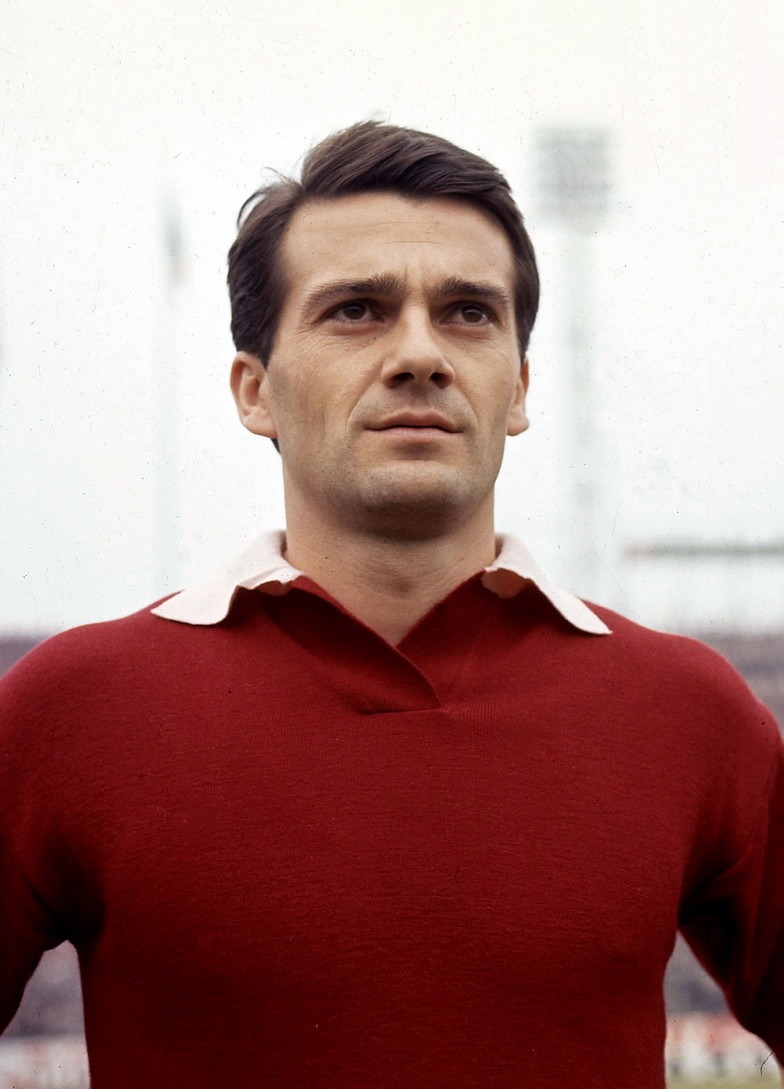
Gigi Simoni, a revered figure in the world of Italian football, is remembered not just for his tactical acumen but for his gentlemanly conduct, humility, and deep passion for the game. Born Luigi Simoni on January 22, 1939, in Crevalcore, Bologna, Simoni’s journey from a player to a legendary coach is one of dedication, resilience, and a profound understanding of football. His legacy in Italian football spans several decades, making him a beloved figure among fans, players, and peers alike.
Early Life and Playing Career
Gigi Simoni’s football journey began as a player, where he first made his mark as a midfielder. His playing career spanned from the late 1950s through the 1970s, during which he played for several clubs, including Mantova, Napoli, Torino, Juventus, and Brescia. Simoni was known for his disciplined playing style, a characteristic that would later define his coaching career as well.
Simoni’s time at Napoli was particularly notable. He joined the club in the early 1960s and quickly became an integral part of the team. His tenure at Napoli helped him build a deep affection for the club, an emotion that would later see him return as a coach in the 2000s. Throughout his playing career, Simoni was respected for his commitment, work ethic, and the leadership qualities he displayed on the field.
Transition to Coaching
After hanging up his boots, Gigi Simoni transitioned into coaching—a move that would define his career and cement his place in Italian football history. His first coaching job came in the 1974-75 season with Genoa, a club with which he had a long-standing association as a player. Taking over as the head coach of Genoa was a significant step, and Simoni quickly proved his worth by leading the team to promotion to Serie A, Italy’s top football division.
This promotion was the first of many for Simoni, who developed a reputation as a promotion specialist. His ability to motivate players and build cohesive teams saw him successfully guide several clubs, including Pisa, Brescia, Cremonese, and Ancona, to promotion into Serie A. These achievements underscored his tactical brilliance and his talent for getting the best out of his squads.
The Inter Milan Era and European Success
The pinnacle of Gigi Simoni’s coaching career came during his time at Inter Milan, one of Italy’s most storied football clubs. Simoni took charge of Inter in the summer of 1997, at a time when the club was struggling to recapture its former glory. Under his leadership, Inter experienced a resurgence, with Simoni successfully guiding the team to second place in Serie A and winning the prestigious UEFA Cup in the 1997-98 season.
This period saw Simoni managing some of the most talented players in the world, including the Brazilian phenomenon Ronaldo and Italian striker Christian Vieri. Ronaldo, in particular, thrived under Simoni’s management, with the coach’s tactical flexibility allowing the striker to showcase his extraordinary skills. Simoni’s calm demeanor and ability to manage egos within the squad earned him immense respect from his players.
The UEFA Cup victory was a crowning achievement for Simoni and Inter Milan, marking the club’s first European trophy in several years. The triumph was celebrated widely by Inter fans and solidified Simoni’s status as a top-tier coach. However, despite the success, Simoni’s tenure at Inter was not without its challenges. The following season, after a series of disappointing results, he was controversially dismissed by the club—a decision that remains a point of contention among Inter supporters.
Challenges and Setbacks
Throughout his career, Gigi Simoni faced numerous challenges, both on and off the pitch. Despite his successes, he also experienced the heartbreak of relegation and the disappointment of being replaced mid-season. Simoni’s career saw him endure relegations with Genoa and Cremonese, two clubs with which he had enjoyed previous success. These setbacks, however, did little to diminish his reputation as a skilled and respected coach.
In addition to relegations, Simoni was dismissed from several coaching positions, often under controversial circumstances. His departure from Inter Milan, despite leading the club to European glory, is one of the most notable examples. Nevertheless, Simoni’s ability to bounce back from these challenges and continue his coaching career is a testament to his resilience and passion for football.
Later Years and Legacy
After leaving Inter Milan, Gigi Simoni continued to coach, taking on roles with various clubs, including Piacenza, Torino, and CSKA Sofia—the latter being his only experience coaching outside of Italy. His return to Napoli in 2003 was particularly poignant, as he took on the challenge of managing a club that was struggling both financially and on the pitch. Although the task was daunting, Simoni’s deep connection with Napoli made the decision to return an easy one.
In the latter part of his career, Simoni transitioned into roles off the pitch, including serving as a technical director and president. Notably, he returned to Cremonese in a technical director capacity, and in 2014, he was appointed as the club’s president, a position he held until 2016. These roles allowed Simoni to continue influencing the game, offering his vast experience and knowledge to the next generation of football managers and players.
Simoni’s impact on football extends beyond his tactical achievements. He is remembered for his integrity, kindness, and the respect he commanded both on and off the field. Players who worked with Simoni, such as Javier Zanetti, have often spoken of the deep affection and admiration they had for him. Zanetti, in particular, highlighted Simoni’s unique ability to build strong, sincere relationships with his players, creating a unified and motivated team.
Health Struggles and Passing
In June 2019, Gigi Simoni suffered a stroke, marking the beginning of a difficult period in his life. Despite the challenges posed by his health, Simoni remained a beloved figure in the football community, with many fans and former players offering their support and best wishes during his illness. On May 22, 2020, Simoni passed away in Lucca at the age of 81, leaving behind a legacy that few in Italian football can match.
Simoni’s death was met with an outpouring of grief and tributes from across the football world. His contributions to the game, his dignified conduct, and his ability to inspire those around him were all celebrated in the days following his passing. For many, Gigi Simoni was more than just a coach—he was a mentor, a friend, and a symbol of what is best about football.
Conclusion: Gigi Simoni’s Enduring Legacy
Gigi Simoni’s life and career in football are a testament to the power of resilience, humility, and a deep love for the game. From his early days as a player to his storied career as a coach, Simoni embodied the values of integrity and respect, earning him the admiration of players, fans, and colleagues alike. His achievements on the pitch, particularly his success with Inter Milan, are matched by his contributions off the pitch, where he served as a mentor and leader long after his coaching days were over.
Simoni’s legacy is not just one of trophies and promotions, but of the countless lives he touched throughout his career. He is remembered as a coach who cared deeply for his players, who approached every challenge with grace and determination, and who remained a gentleman in a sport often defined by its intensity and pressure. Gigi Simoni’s name will forever be associated with the golden era of Italian football, and his influence will continue to be felt for generations to come.
As we reflect on Gigi Simoni’s life, it is clear that his impact on football was profound, not just in terms of the games won or the trophies lifted, but in the way he lived his life and inspired others to do the same. His story is one of passion, perseverance, and a deep, abiding love for football—qualities that will ensure his place in the annals of the sport’s history.


