
Introduction
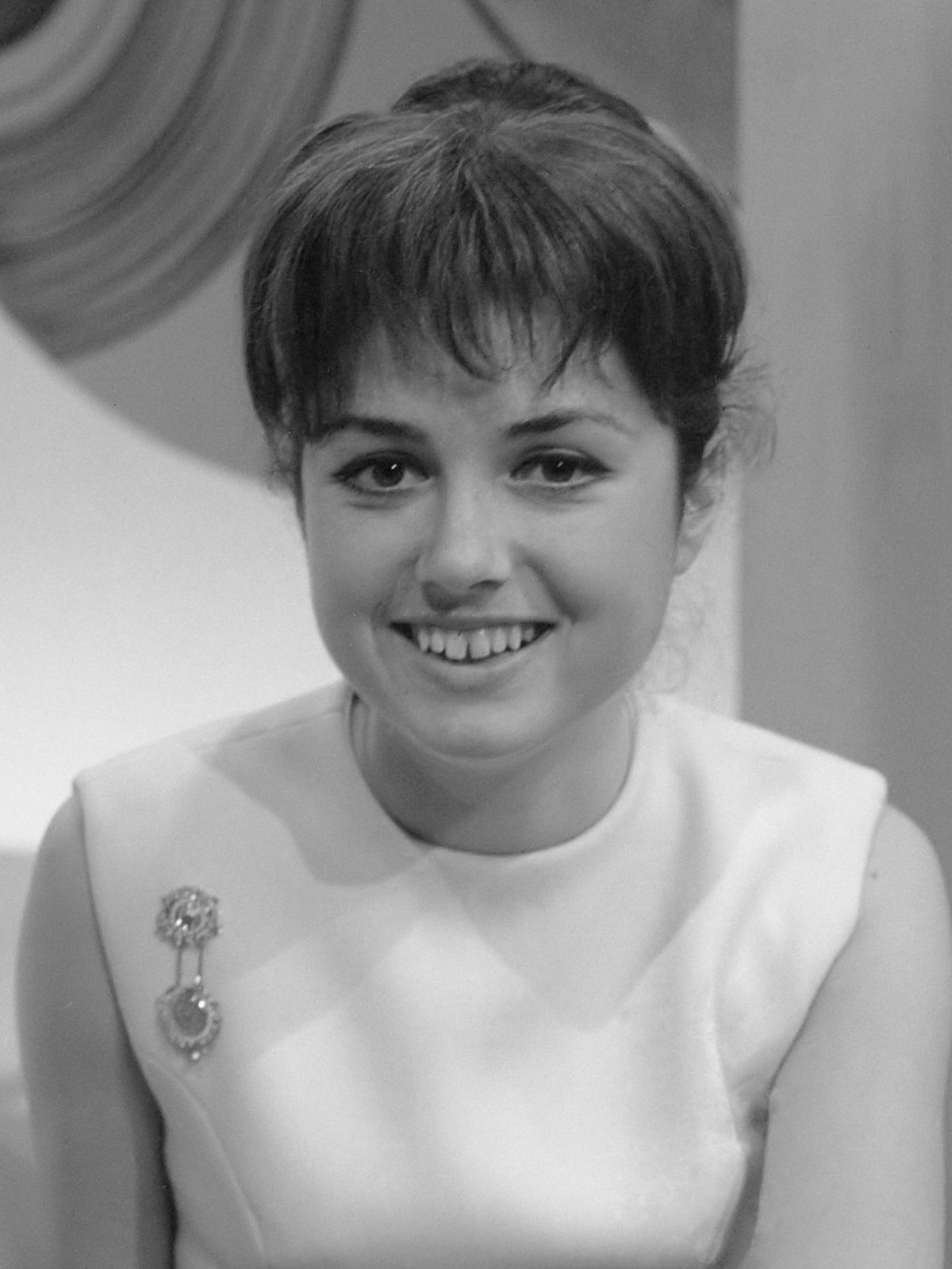
Gigliola Cinquetti, born on December 20, 1947, in Cerro Veronese, Italy, is a celebrated Italian singer and television personality who rose to international fame in the 1960s. Her career spans over six decades, during which she has captivated audiences with her delicate voice, elegance, and enduring charm. Best known for her iconic song “Non ho l’età,” which won the Sanremo Music Festival in 1964 and the Eurovision Song Contest in the same year, Cinquetti has left an indelible mark on the music world. This article delves into the life and career of Gigliola Cinquetti, exploring her rise to fame, her significant contributions to music, and her lasting influence on Italian and international pop culture.
Early Life and Musical Beginnings
Gigliola Cinquetti was born in a small village near Verona, Italy, into a family that valued education and the arts. Her love for music became apparent at a young age, and she quickly gained recognition for her vocal talent. Cinquetti’s formal introduction to the music world came at the age of 16 when she won the “Voci Nuove” competition in Castrocaro, performing two songs by Giorgio Gaber, “Sull’acqua” and “Le strade di notte.” This early success set the stage for her meteoric rise in the Italian music industry.
The Breakthrough: Sanremo and Eurovision Success
Gigliola Cinquetti’s breakthrough came in 1964 when she participated in the 14th edition of the Sanremo Music Festival, one of Italy’s most prestigious music competitions. Performing the song “Non ho l’età (per amarti)”—which translates to “I’m Not Old Enough (to Love You)”—Cinquetti won the hearts of both the jury and the audience. The song’s lyrics, which expressed the innocence and hesitance of youthful love, resonated deeply with listeners, and her tender, heartfelt delivery made the performance unforgettable.
Following her victory at Sanremo, Cinquetti represented Italy at the Eurovision Song Contest in Copenhagen, where she performed “Non ho l’età” once again. Her performance won the contest, making her the first Italian artist to achieve this feat. The song became an international hit, selling millions of copies worldwide and establishing Cinquetti as a global music star. The success of “Non ho l’età” was a defining moment in her career, and it remains one of the most iconic songs in Eurovision history.
Continued Success and International Recognition
After her victories at Sanremo and Eurovision, Gigliola Cinquetti became a household name in Italy and gained significant popularity abroad. Her subsequent releases continued to perform well on the charts, and she became known for her ability to convey deep emotions through her music. In 1966, she returned to the Sanremo stage, this time in a duet with Domenico Modugno, performing the song “Dio, come ti amo” (“God, How I Love You”). The song was another triumph and became one of the most beloved tracks in her discography.
Cinquetti’s influence extended far beyond Italy. Her music found a receptive audience in countries like France, Spain, Brazil, Japan, and Argentina, where she frequently toured. Her ability to sing in multiple languages, including French, Spanish, and English, helped her break into various international markets. Songs like “La pioggia” (“The Rain”) and “Alle porte del sole” (“At the Gates of the Sun”) became international hits, further solidifying her status as a global star.
In addition to her music career, Cinquetti explored opportunities in television, becoming a familiar face on Italian screens. Her elegance and poise made her a natural fit for television hosting, and she quickly became a sought-after presenter for music and variety shows.
The 1980s and 1990s: A Return to Sanremo and New Ventures
After a brief hiatus, Gigliola Cinquetti returned to the Sanremo Music Festival in 1985 with the song “Chiamalo amore” (“Call It Love”), which earned her a third-place finish. This return to the stage demonstrated her enduring appeal and ability to connect with audiences across generations. Cinquetti would go on to compete in Sanremo a total of 12 times, showcasing her versatility and commitment to her craft.
Throughout the 1980s and 1990s, Cinquetti continued to explore new avenues in her career. She became a prominent television presenter, hosting a variety of programs that highlighted her charisma and communication skills. One of her notable roles was as the host of the “Eurovision Song Contest” in 1991, a testament to her lasting association with the competition that had launched her international career.
Cinquetti’s television career included hosting the “Concorso voci nuove di Castrocaro,” where she played a role in discovering future Italian music stars like Eros Ramazzotti and Zucchero. She also hosted other popular shows, including “Festa di compleanno,” “La festa della mamma,” and “Vivendo Parlando,” among others. Her ability to effortlessly switch between singing and hosting solidified her status as a multifaceted entertainer.
Gigliola Cinquetti’s Film and Radio Career
In addition to her success in music and television, Gigliola Cinquetti also made significant contributions to film and radio. In 1966, she starred in the film “Dio, come ti amo,” which became a cult classic, especially in Brazil, where it was shown continuously in a cinema for 30 years. She also appeared in “Testa di rapa,” a film that won the Silver Lion at the Venice Film Festival in the youth section, although it faced censorship issues.
Cinquetti’s work in radio was equally impressive. She starred in several popular radio programs, including “Gran varietà,” “La bella e la bestia” with Paolo Villaggio, and “Gigliola lustrissima circola con la gente.” Her radio show “Gigliola, Gigliola,” which aired from 1985 to 1987, was a significant success, demonstrating her ability to connect with audiences across different media platforms.
A Global Icon: Success Across Continents
Gigliola Cinquetti’s appeal was truly global. Her music found enthusiastic audiences in Europe, Latin America, Japan, and beyond. “Non ho l’età” was translated into several languages and became a massive hit worldwide, earning Cinquetti a place among the most recognizable Italian artists internationally. The song, along with a few others like “Nel blu dipinto di blu” (“Volare”), is considered one of the best-known Italian songs globally.
Her success in Japan was particularly noteworthy, with multiple tours and albums released specifically for the Japanese market. Cinquetti’s ability to adapt her music to different cultures and languages contributed significantly to her international acclaim. In France, she was celebrated for her recordings in French, which included collaborations with iconic French artists like Georges Brassens and Jacques Brel. Her album “Bonjour Paris” featured renditions of classic French songs, earning her widespread acclaim in the Francophone world.
In Latin America, Cinquetti’s collaboration with the famous trio Los Panchos resulted in the album “Gigliola Cinquetti e il trio los panchos in Messico,” which was a huge success. Her performances in countries like Mexico and Argentina further expanded her global reach, making her one of the most beloved Italian singers in the region.
Later Career and Legacy
As the new millennium approached, Gigliola Cinquetti continued to perform and engage with her audience. She made a memorable appearance in the popular Italian TV series “Commesse” in 1999, and in 2001, she starred in Pupi Avati’s film “I cavalieri che fecero l’impresa.” Her versatility as an artist was evident as she seamlessly transitioned between music, film, and television.
Cinquetti’s legacy as an Italian music icon was further cemented when she returned to the Eurovision stage in 2022 during the final night of the contest held in Turin, where she performed her signature song “Non ho l’età” to an enthusiastic audience. This performance highlighted her enduring influence and the timeless appeal of her music.
In addition to her artistic achievements, Cinquetti also pursued other creative endeavors. She is an accomplished painter, having studied at the Liceo Artistico in Verona, and has illustrated several children’s books. Her passion for art extends beyond music, showcasing her multifaceted talents.
Conclusion
Gigliola Cinquetti’s career is a testament to the power of talent, versatility, and timeless appeal. From her early success as a teenage sensation at Sanremo and Eurovision to her international tours and television hosting roles, Cinquetti has remained a beloved figure in the entertainment world for over 60 years. Her music, characterized by its emotional depth and sincerity, continues to resonate with audiences across generations and cultures.
As an artist who has effortlessly navigated the worlds of music, television, film, and radio, Cinquetti’s contributions to Italian and global pop culture are undeniable. Her ability to adapt and evolve while maintaining the core elements of her artistic identity has ensured her place among the greats of Italian music. Gigliola Cinquetti’s legacy is one of elegance, grace, and a deep connection with her audience—a legacy that will undoubtedly continue to inspire future generations of artists and music lovers.


