
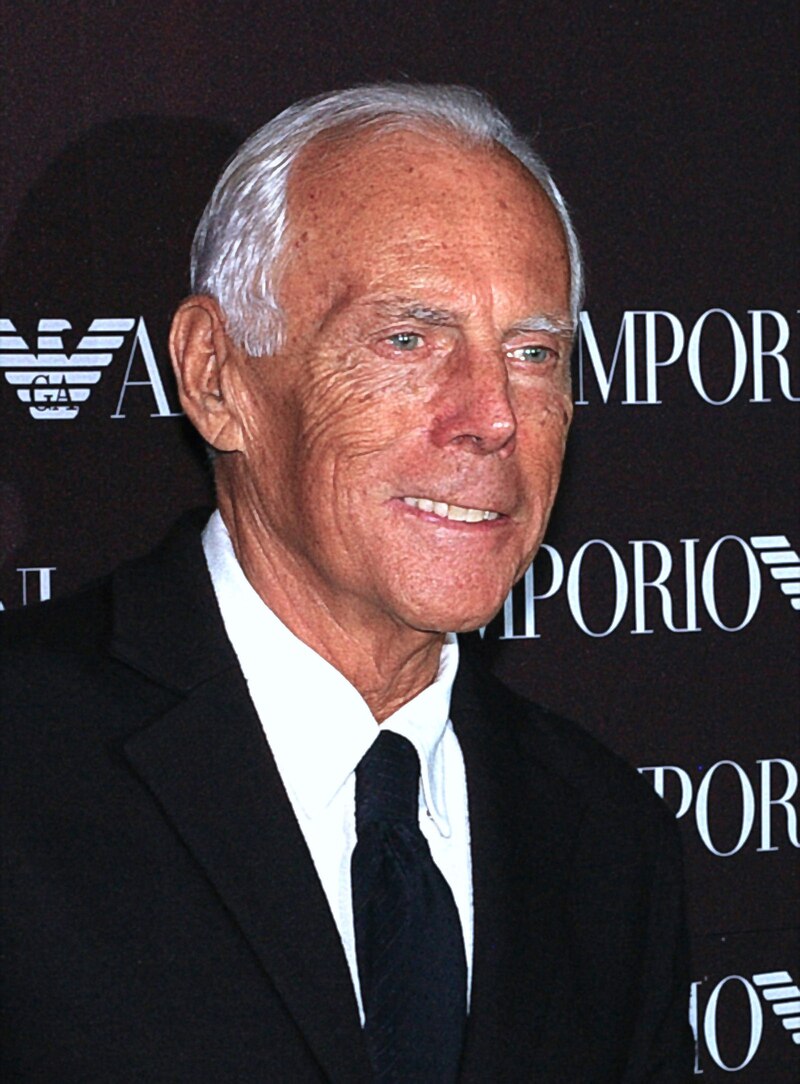
Early Life and Background
Giorgio Armani, an iconic figure in the fashion world, was born on July 11, 1934, in Piacenza, Italy. He grew up in a modest family environment and spent his formative years in this small town. Armani attended high school in Piacenza and later pursued a degree in medicine at the University of Milan. However, after two years, he decided to leave his studies and embark on a different career path.
Entry into the Fashion Industry
Armani’s entry into the fashion industry was somewhat serendipitous. He began working as a buyer for the department store La Rinascente in Milan. This role provided him with valuable insights into the fashion retail industry and consumer preferences. Additionally, he worked as a photographer’s assistant, which further enhanced his understanding of aesthetics and design.
In 1964, without formal training in fashion design, Armani was hired to create the menswear line for Nino Cerruti. This experience proved pivotal, as it allowed him to hone his design skills and gain confidence in his creative abilities. Encouraged by his friend and business partner Sergio Galeotti, Armani eventually left Cerruti to become a freelance designer and consultant.
Founding Giorgio Armani S.p.A.
In 1975, Armani took a significant step in his career by establishing his own fashion house, Giorgio Armani S.p.A., with Galeotti. The brand launched its first menswear and womenswear collections, which were highly acclaimed for their innovative designs. Armani’s approach to fashion was revolutionary—he deconstructed traditional menswear suits, creating a more relaxed and natural silhouette. This new style, characterized by unstructured jackets and soft tailoring, quickly gained popularity.
Rise to Fame
Armani’s reputation as a fashion innovator grew rapidly. His designs offered a fresh perspective on menswear, blending sophistication with comfort. The signature Armani look emphasized clean lines, neutral colors, and luxurious fabrics, appealing to a wide audience. His influence extended beyond menswear; his womenswear collections introduced new ways of dressing that combined elegance with practicality.
In 1980, Armani’s designs gained international fame through their prominent feature in the film “American Gigolo,” starring Richard Gere. The movie showcased Armani’s sleek, modern aesthetic and established him as a key player in the global fashion industry. This exposure led to increased demand for his designs, solidifying his status as a leading fashion designer.
Expanding the Armani Brand
The 1980s and 1990s saw significant expansion for the Armani brand. Armani diversified his offerings, launching several sub-labels, including Emporio Armani, Armani Exchange, and Armani Jeans. Each of these lines catered to different market segments, broadening the brand’s appeal. Additionally, Armani ventured into accessories, cosmetics, and home décor, creating a comprehensive lifestyle brand.
Armani’s business acumen and commitment to quality helped his brand thrive. He maintained strict control over the design and production processes, ensuring that every product met his high standards. This dedication to excellence earned Armani numerous awards and accolades, including the prestigious Cutty Sark Award for best international menswear designer and the Council of Fashion Designers of America (CFDA) International Award.
Contributions to the Fashion Industry
Armani’s impact on the fashion industry is immense. He is credited with popularizing the “power suit,” a sleek, sophisticated style that became synonymous with business attire in the 1980s. His designs empowered both men and women, offering them clothing that exuded confidence and professionalism.
Moreover, Armani’s innovative use of materials and his ability to blend traditional craftsmanship with modern design set new standards in fashion. He introduced unconventional fabrics and combinations, such as pairing leather with wool or silk with denim, creating unique and versatile garments.
Influence on Popular Culture
Armani’s influence extends beyond fashion into popular culture. His designs have graced the red carpets of major events, worn by celebrities and influencers worldwide. The Armani brand became synonymous with elegance and luxury, making it a favorite among Hollywood stars, musicians, and athletes.
In addition to fashion, Armani made significant contributions to the world of sports. He became the main sponsor of the Olimpia Milano basketball team and later acquired ownership of the team. Under his leadership, the team achieved notable success, including winning the Italian championship in 2014.
Personal Philosophy and Style
Giorgio Armani’s personal philosophy on style emphasizes simplicity, elegance, and authenticity. He believes that true style is not about following trends but about making thoughtful choices that reflect one’s personality and values. In a 2003 interview, Armani articulated his views on style: “It is a matter of elegance, not just aesthetics. Style is having the courage of one’s choices and the courage to say no. It is finding novelty and innovation without resorting to extravagance. It is taste and culture.”
Recognition and Awards
Armani’s contributions to fashion and his influence on global style have been recognized with numerous awards and honors. In 1982, he became the second fashion designer, after Christian Dior, to be featured on the cover of Time magazine. This recognition underscored his impact on the industry and his role as a leading designer.
Throughout his career, Armani received multiple accolades, including being named a Commander of the Italian Republic in 1985, a Grand Officer in 1986, and a Knight Grand Cross in 1987. These honors reflect his contributions to Italian culture and his status as an ambassador of Italian style.
Continuing Legacy
Even as he approaches his ninth decade, Giorgio Armani remains actively involved in his fashion empire. His commitment to innovation and quality continues to drive the brand forward. Armani’s influence on modern fashion is undeniable, and his designs remain a benchmark for elegance and sophistication.
In recent years, Armani has also focused on sustainability and ethical practices in fashion. He has implemented initiatives to reduce the environmental impact of his brand, reflecting a broader commitment to social responsibility.
Conclusion
Giorgio Armani’s journey from a small town in Italy to the pinnacle of the global fashion industry is a testament to his vision, creativity, and determination. His revolutionary approach to menswear, his expansion into a comprehensive lifestyle brand, and his enduring influence on popular culture have cemented his legacy as one of the greatest fashion designers of all time.
Armani’s contributions to fashion extend beyond his designs; he has shaped the industry through his business acumen, commitment to quality, and innovative use of materials. His philosophy of style, emphasizing elegance, authenticity, and thoughtful choices, continues to inspire and guide fashion enthusiasts around the world.
As Giorgio Armani continues to lead his brand into the future, his impact on fashion and popular culture remains profound. His legacy is one of timeless elegance and innovation, reflecting his unwavering dedication to the art of fashion.


