
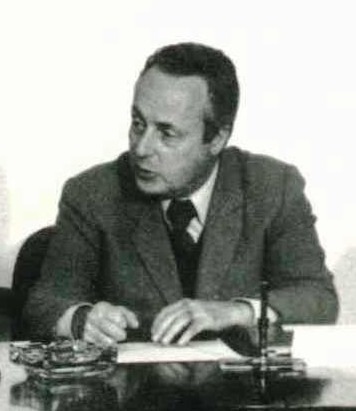
Giorgio Bassani, born on March 4, 1916, in Bologna, Italy, and passing away on April 13, 2000, in Rome, was an influential Italian novelist, poet, essayist, editor, and intellectual. His works, imbued with rich historical and cultural contexts, provide an in-depth look into the lives and struggles of the Jewish community in Italy, particularly during the fascist era and World War II. This comprehensive exploration delves into his age, fame, and life highlights, offering a detailed understanding of his contributions to literature and culture.
Early Life and Background
Giorgio Bassani was born into a prosperous Jewish family in Bologna but spent most of his formative years in Ferrara, a city that would feature prominently in his later works. His father, Enrico Bassani, was a doctor who chose not to practice, while his mother, Dora, and siblings, Paolo and Jenny, provided a supportive family environment. Bassani’s early education took place at the prestigious Liceo Classico L. Ariosto in Ferrara, where he graduated in 1934.
Education and Early Career
Bassani’s higher education was marked by a strong focus on literature and the arts. He attended the University of Bologna, where he pursued a degree in literature. During his university years, Bassani began to engage with the intellectual and literary circles of Italy, laying the groundwork for his future career as a writer and editor.
Literary Beginnings and Political Involvement
The 1930s and 1940s were tumultuous decades in Italy, marked by the rise of fascism and the subsequent impact of World War II. Bassani, being of Jewish descent, faced significant challenges during this period. Despite these obstacles, he continued to write and became actively involved in the anti-fascist resistance movement. His first collection of poems, “Storie dei poveri amanti e altri versi,” was published in 1944 under the pseudonym Giacomo Marchi to avoid fascist persecution.
Rise to Fame: “Il giardino dei Finzi-Contini”
Bassani’s most famous work, “Il giardino dei Finzi-Contini” (The Garden of the Finzi-Continis), was published in 1962 and brought him international acclaim. The novel, set in Ferrara during the rise of fascism and the subsequent enforcement of racial laws, explores the lives of an aristocratic Jewish family and their interactions with the local community. The story, infused with autobiographical elements, reflects Bassani’s own experiences and observations.
The novel was adapted into a successful film in 1970, directed by Vittorio De Sica, further cementing Bassani’s reputation as a significant literary figure. “Il giardino dei Finzi-Contini” remains a poignant and powerful exploration of memory, identity, and the impact of history on individual lives.
Other Notable Works and Contributions
In addition to “Il giardino dei Finzi-Contini,” Bassani’s body of work includes several other notable novels and short stories, such as “Gli occhiali d’oro” (The Gold-Rimmed Glasses), “Dietro la porta” (Behind the Door), and “L’airone” (The Heron). His writing often revolves around the themes of memory, history, and the Jewish experience in Italy.
Bassani was also a prolific editor and essayist. He served as the editor of the influential literary magazine “Botteghe Oscure” and played a significant role in promoting Italian literature and culture both domestically and internationally. His essays and critiques on various literary and cultural topics further showcased his intellectual depth and commitment to the arts.
Personal Life and Legacy
Despite the personal and political challenges he faced, Bassani’s personal life was marked by his dedication to his family and his craft. He married Valeria Sinigallia in 1943, and the couple had two children. Bassani’s later years were spent in Rome, where he continued to write and engage with the literary community until his death in 2000.
Bassani’s legacy is deeply intertwined with the cultural and historical landscape of 20th-century Italy. His works continue to be studied and celebrated for their literary merit and historical significance. As a writer who bore witness to some of the darkest periods in modern history, Bassani’s contributions offer valuable insights into the resilience of the human spirit and the enduring power of memory and storytelling.
Historical Context and Cultural Impact
To fully appreciate Bassani’s contributions, it’s essential to understand the historical and cultural context in which he lived and wrote. The rise of fascism in Italy brought with it severe restrictions and persecutions, especially for the Jewish community. Bassani’s works provide a window into the experiences of those who lived through these tumultuous times, offering both a personal and collective narrative of resistance and survival.
The Jewish experience in Italy, particularly in cities like Ferrara, was marked by a rich cultural heritage that was threatened by fascist policies and the horrors of the Holocaust. Bassani’s ability to capture the nuances of this heritage, alongside the stark realities of persecution, adds a layer of depth to his storytelling that resonates with readers across generations.
Literary Style and Influence
Bassani’s literary style is characterized by its lyrical prose, intricate character development, and a profound sense of place. His ability to weave together personal and historical narratives creates a tapestry of experiences that reflect both individual and collective struggles. This style has influenced many contemporary writers and continues to be a subject of study in literary circles.
Bassani’s influence extends beyond his literary works; his role as an editor and promoter of Italian literature helped shape the cultural landscape of post-war Italy. By fostering a community of writers and intellectuals, Bassani contributed to the revival and evolution of Italian literature in the mid-20th century.
Conclusion: Giorgio Bassani’s Enduring Legacy
Giorgio Bassani’s life and works stand as a testament to the power of literature to capture the complexities of human experience. Through his novels, essays, and editorial work, Bassani not only documented the trials and tribulations of the Jewish community in Italy but also celebrated its rich cultural heritage and resilience.
His legacy continues to inspire readers and writers alike, offering timeless insights into the interplay between history, memory, and identity. As we reflect on Bassani’s contributions, we are reminded of the enduring impact of his work on the literary and cultural world.


