
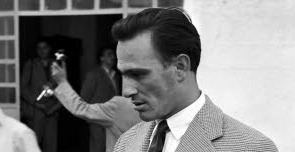
Giorgio Bocca, a distinguished figure in Italian journalism, was revered as one of the most influential and controversial journalists of his time. Known for his incisive and often uncompromising style, Bocca left an indelible mark on the landscape of Italian media and literature. Born on August 28, 1920, in Cuneo, Italy, Bocca’s career spanned several decades, during which he chronicled some of the most pivotal moments in modern Italian history.
Early Life and Background
Giorgio Bocca was born into a culturally rich environment in Cuneo, a town in the Piedmont region of Italy. His early experiences were marked by the sociopolitical upheavals of pre-World War II Italy. Bocca’s involvement in the resistance movement during World War II, particularly with the Giustizia e Libertà formations, played a crucial role in shaping his political and journalistic outlook. This period of his life provided him with firsthand experience of the struggles and complexities of wartime Italy, experiences that would profoundly influence his later work.
Career Beginnings
Bocca’s journalistic career began in the aftermath of World War II. He started by writing for the publication associated with the Giustizia e Libertà organization in Turin. This early phase of his career was characterized by his focus on chronicling the immediate post-war period and the ensuing Cold War tensions. His reports during this time captured the atmosphere of a nation grappling with its recent past and adjusting to new geopolitical realities.
Rise to Prominence
Throughout the 1950s and 1960s, Bocca’s reputation as a journalist grew. He worked as a reporter for the “Gazzetta del Popolo” and later moved to Milan to join “L’Europeo” in 1954. His tenure at “L’Europeo” marked the beginning of his rise to national prominence. Bocca’s investigative pieces and social commentaries resonated with readers, as he adeptly captured the socio-economic transformations of post-war Italy.
Key Positions and Contributions
In 1975, Giorgio Bocca co-founded “La Repubblica,” one of Italy’s leading newspapers. His contributions to “La Repubblica,” along with his regular column “L’antitaliano” in “L’Espresso,” cemented his status as a formidable voice in Italian journalism. Bocca’s columns were known for their critical examination of political and economic issues, often challenging the status quo and provoking public discourse.
Television and Later Career
Bocca’s influence extended beyond print journalism. In the 1980s, he ventured into television, creating and hosting several programs for Fininvest, including “Prima pagina,” “Protagonisti,” “2000 e dintorni,” and “Il cittadino e il potere.” These programs showcased Bocca’s ability to engage with a broader audience, discussing pressing issues of the day with his characteristic depth and insight.
In 1989, Bocca conducted a comprehensive journalistic investigation into terrorism, titled “Il mondo del terrore,” which aired on Canale 5. This series explored the roots and implications of both Italian and international terrorism during the 1970s and 1980s, further establishing Bocca as a critical commentator on global issues.
Literary Contributions
Apart from his journalistic endeavors, Giorgio Bocca was a prolific author. His literary works include a range of essays, historical accounts, and social commentaries. Some of his most notable books include:
- “Storia dell’Italia partigiana” – A detailed account of the Italian partisan movement during World War II.
- “Palmiro Togliatti” – A biography of the Italian communist leader.
- “Il provinciale” – A reflection on Bocca’s life and career.
- “Il viaggiatore spaesato” – A travel narrative exploring Italy’s changing landscape.
- “Voglio scendere!” – A critique of contemporary Italian society.
- “Il secolo sbagliato” – A historical analysis of the 20th century.
- “La Repubblica di Mussolini” – A study of the Italian Social Republic during World War II.
- “L’inferno” – An exploration of the darker aspects of modern society.
These works reflect Bocca’s deep engagement with Italy’s historical and cultural context, offering readers profound insights into the nation’s evolution.
Personal Style and Legacy
Giorgio Bocca’s journalistic style was marked by its sharpness and lack of concessions. He was known for his ability to provoke thought and stir debate, often tackling subjects with a ferocity that earned him both admiration and criticism. His commitment to truth and moral integrity set him apart in an industry often swayed by political and economic interests.
Recognition and Criticism
Bocca’s fearless approach to journalism did not come without controversy. His critiques of political figures and policies often led to public disputes and backlash. However, his unwavering dedication to journalistic integrity and his role as a critical conscience in Italian media earned him a place among the most respected journalists in Italy.
Historical Context and Impact
Giorgio Bocca’s work must be understood within the broader context of Italy’s tumultuous 20th century. From the rise and fall of Fascism, the impact of World War II, the Cold War, and the economic boom of the 1960s, to the social and political upheavals of the 1970s and beyond, Bocca chronicled it all. His writings provide a comprehensive record of Italy’s modern history, seen through the lens of a keen observer committed to uncovering the truth.
Final Years and Death
Giorgio Bocca continued to write and comment on political and social issues well into his later years. His critical perspective on globalization and its effects on society highlighted his enduring concern for the future of Italy and the world. Bocca passed away on December 25, 2011, in Milan, at the age of 91. His death marked the end of an era in Italian journalism, but his legacy continues to influence and inspire.
Conclusion
Giorgio Bocca’s life and career stand as a testament to the power of journalism to shape public discourse and hold those in power accountable. His relentless pursuit of truth and his willingness to challenge prevailing narratives made him a crucial figure in Italian media. As we reflect on his contributions, it becomes clear that Bocca’s work transcends the specifics of his time, offering timeless insights into the nature of society, politics, and human behavior.
In an era where media is often questioned for its biases and integrity, Giorgio Bocca’s career serves as a reminder of the importance of journalistic principles and the impact one individual can have on a nation’s consciousness. His writings remain a valuable resource for understanding the complexities of Italy’s recent history and the role of journalism in shaping it.


