
Introduction
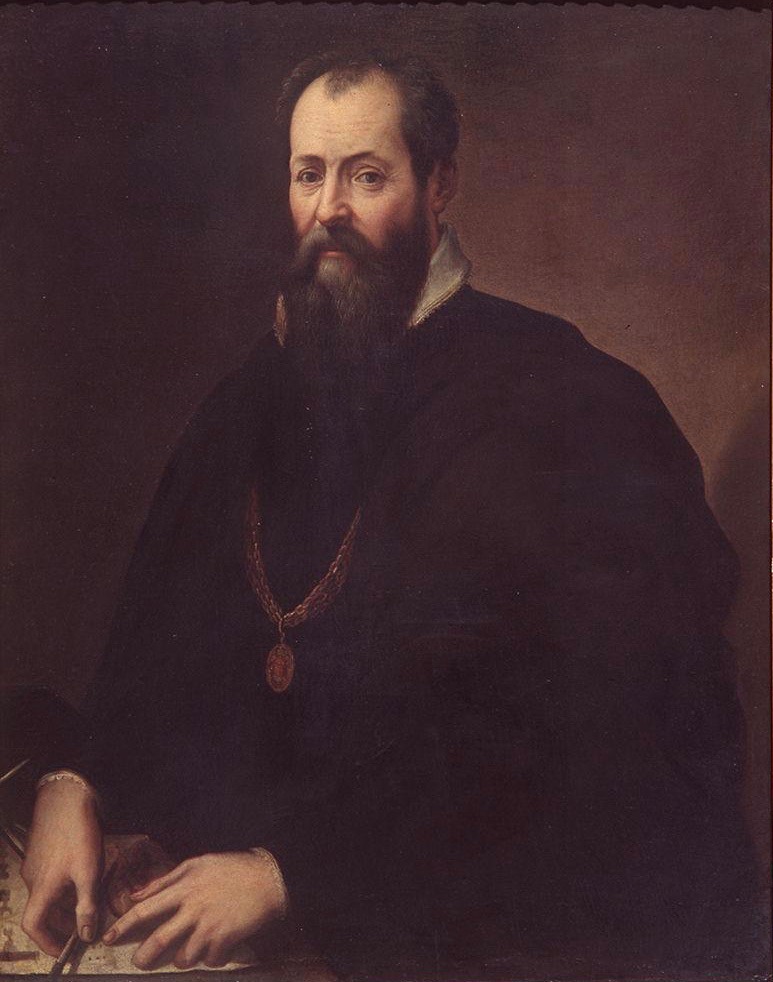
Giorgio Vasari, born on July 30, 1511, in Arezzo, Italy, was a multifaceted Renaissance artist who significantly influenced the course of art history. Vasari is best known not only for his contributions as a painter and architect but also for his role as an art historian. His work, “Lives of the Most Excellent Painters, Sculptors, and Architects,” remains one of the most important sources of information about the lives and works of Renaissance artists. This article explores the life, career, and lasting impact of Giorgio Vasari, providing detailed insights into his artistic achievements, historical significance, and the broader cultural context of his time.
Early Life and Artistic Beginnings
Giorgio Vasari was born into a modest family in Arezzo, Tuscany. From an early age, he showed a keen interest in the arts, which led him to train under the French artist Guillaume de Marcillat, known for his stained glass work in the Cathedral of Arezzo. This early exposure to the world of art laid the foundation for Vasari’s future endeavors.
In 1524, at the age of 13, Vasari moved to Florence, where he became a pupil of the renowned painter and teacher Andrea del Sarto. During his time in Florence, Vasari also attended the academy of drawing founded by Baccio Bandinelli, another prominent figure of the time. These experiences in Florence, a city at the heart of the Renaissance, were crucial in shaping Vasari’s artistic style and intellectual outlook.
Vasari’s time in Florence also allowed him to interact with some of the most significant artists of the era, including Michelangelo, who would later become a major influence on his work. After three years in Florence, Vasari returned to Arezzo in 1527, where he encountered Rosso Fiorentino, a leading exponent of Mannerism. This encounter further broadened Vasari’s artistic horizons and influenced his subsequent works.
Artistic Career and Achievements
Vasari’s early career was marked by a series of travels across Italy, during which he honed his skills and developed his unique style. In 1529, he worked alongside Francesco Salviati in the studio of Raffaello da Brescia and later explored the art of goldsmithing under the guidance of Vittore Ghiberti, a descendant of the famous Lorenzo Ghiberti.
Vasari’s artistic talent and growing reputation soon caught the attention of Cardinal Ippolito de’ Medici, who invited him to Rome. There, Vasari immersed himself in the study of the “modern manner” of painting, heavily influenced by the works of Raphael and Michelangelo. These studies deeply impacted Vasari’s approach to art, leading him to adopt the Mannerist style that characterized much of his later work.
Throughout the 1530s, Vasari traveled between Rome, Florence, Arezzo, and Venice, producing numerous works, including a portrait of Duke Alessandro de’ Medici and an allegorical painting of the Immaculate Conception for the Church of the Holy Apostles in Florence. These works showcased his ability to blend the classical traditions of the Renaissance with the more expressive and dynamic qualities of Mannerism.
The Writing of the “Lives” and Historical Significance
While Vasari was a successful artist in his own right, his most enduring legacy lies in his work as an art historian. In 1550, Vasari published the first edition of “Le Vite de’ più eccellenti pittori, scultori, e architettori” (Lives of the Most Excellent Painters, Sculptors, and Architects), a monumental collection of biographies that covered the lives and works of the greatest Italian artists from Cimabue to Michelangelo.
The “Lives” was groundbreaking for its time, representing the first systematic attempt to document the history of art in Italy. Vasari’s work provided detailed accounts of the lives of over 200 artists, offering insights into their personalities, working methods, and the cultural context in which they operated. The book was also significant for its role in establishing the notion of the artist as a creative genius, a concept that has endured in Western art history.
One of the most important aspects of the “Lives” is Vasari’s emphasis on the idea of artistic progress. He divided the history of art into three distinct periods, beginning with the “rebirth” of art in the 13th century with Cimabue and Giotto, continuing through the development of the Renaissance in the 15th century, and culminating in the perfection of art with Michelangelo in the 16th century. This teleological view of art history, with its focus on the idea of progress and improvement, has had a lasting influence on how art history is studied and understood.
In 1568, Vasari published a second, expanded edition of the “Lives,” which included additional biographies and revisions to the original text. This edition is considered more critically reflective, offering a more nuanced and comprehensive view of the artists’ achievements. The second edition of the “Lives” remains a vital source of historical information and is widely regarded as the first critical history of Italian art.
Architectural Contributions
In addition to his work as a painter and historian, Giorgio Vasari was also an accomplished architect. His architectural work is most closely associated with the city of Florence, where he was employed by Duke Cosimo I de’ Medici. Vasari’s architectural style reflected the principles of Mannerism, characterized by its emphasis on harmony, proportion, and the use of classical elements in innovative ways.
One of Vasari’s most significant architectural achievements was the renovation and decoration of the Palazzo Vecchio, the seat of government in Florence. In 1555, Cosimo I commissioned Vasari to transform the medieval fortress into a grand ducal residence, a project that involved the redesign of the building’s interior and the creation of new frescoes and decorative elements. Vasari’s work on the Palazzo Vecchio culminated in the decoration of the Salone dei Cinquecento, a vast hall adorned with frescoes depicting the military victories of the Medici family.
Another of Vasari’s notable architectural projects was the design of the Uffizi Gallery, which was intended to house the administrative offices of the Florentine government. The Uffizi, completed after Vasari’s death in 1574, is considered one of the masterpieces of Renaissance architecture and remains one of the most important art museums in the world today.
In 1565, Vasari was tasked with designing the Vasari Corridor, a covered walkway that connects the Uffizi with the Pitti Palace across the Arno River. This project was commissioned by Cosimo I to allow the Medici family to move safely between their residences without having to interact with the public. The Vasari Corridor, with its strategic use of space and integration into the existing urban fabric, is a testament to Vasari’s skill as an architect.
Later Years and Legacy
In the later years of his life, Giorgio Vasari continued to work on various artistic and architectural projects while also revising and expanding his “Lives.” He remained closely associated with the Medici court, which provided him with numerous opportunities to contribute to the cultural life of Florence.
One of Vasari’s final major projects was the fresco decoration of the dome of the Florence Cathedral, a task he undertook in 1572. The dome, originally designed by Filippo Brunelleschi, was adorned by Vasari with a grand fresco of the Last Judgment. Although Vasari did not live to see the completion of this work—he passed away on June 27, 1574—the project was completed by his student Federico Zuccari.
Giorgio Vasari’s legacy is multifaceted, encompassing his contributions to painting, architecture, and art history. His “Lives” remains a foundational text for the study of Renaissance art, offering both detailed biographical information and critical assessments of the artists he documented. Vasari’s emphasis on the idea of artistic progress and his celebration of the artist as a creative genius have had a profound and lasting influence on the discipline of art history.
Vasari’s architectural works, particularly the Uffizi Gallery and the Vasari Corridor, continue to be celebrated for their innovative design and their role in shaping the urban landscape of Florence. His contributions to the decoration of the Palazzo Vecchio and other Florentine landmarks have ensured that his work remains an integral part of the city’s cultural heritage.
Conclusion
Giorgio Vasari’s life and work represent a unique convergence of art, architecture, and historical scholarship. As a painter, architect, and historian, Vasari played a central role in shaping the cultural landscape of Renaissance Italy. His “Lives of the Most Excellent Painters, Sculptors, and Architects” remains a seminal work in the history of art, providing invaluable insights into the lives and works of some of the greatest artists of all time.
Vasari’s legacy as an artist and architect is equally significant, with his contributions to the design and decoration of some of Florence’s most iconic buildings continuing to inspire admiration and study. As we reflect on Vasari’s achievements, it is clear that his work has left an indelible mark on the history of art and architecture, ensuring that his name will be remembered for generations to come.


