
Introduction
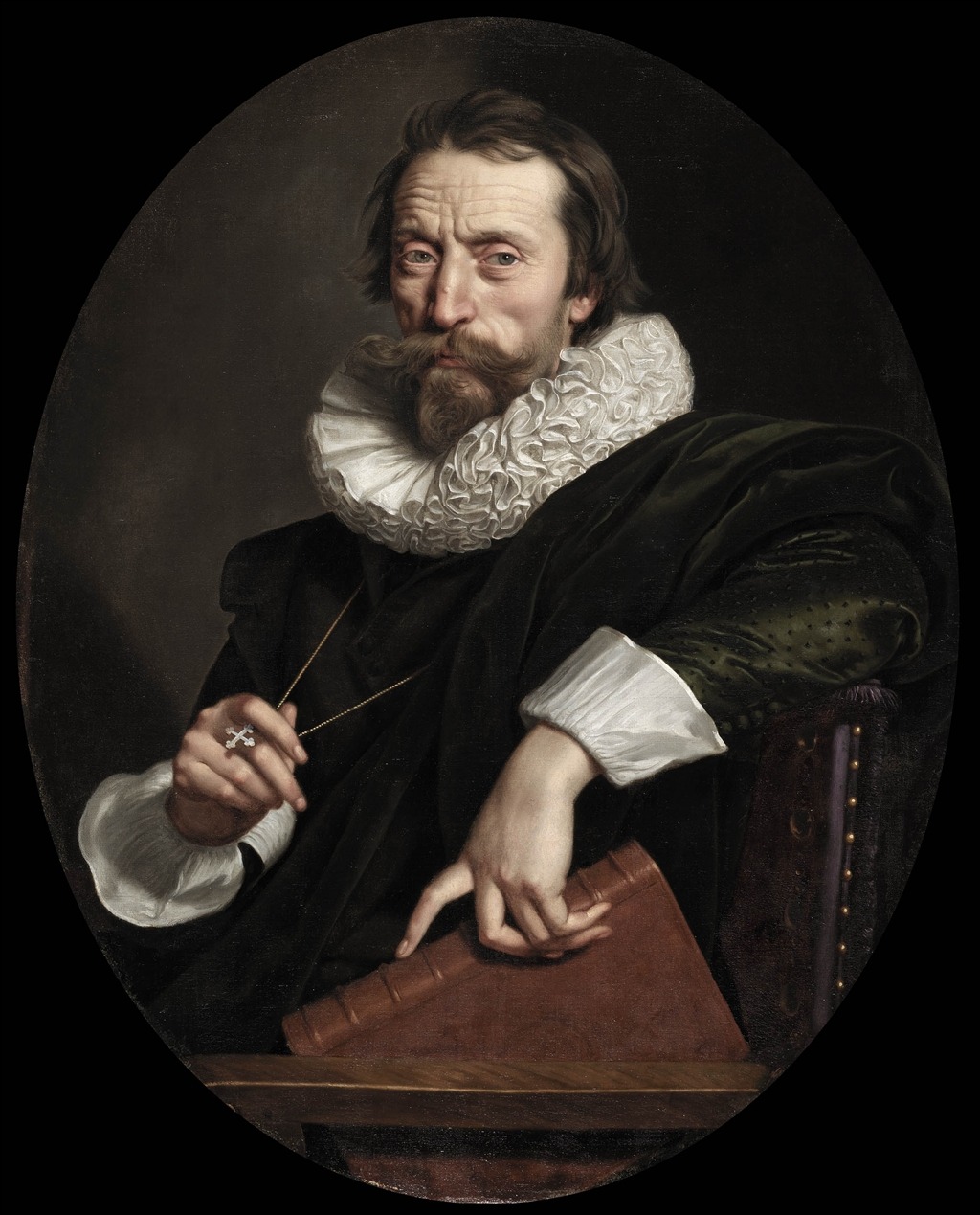
Giovan Battista Marino, born on October 14, 1569, in Naples, is a seminal figure in Italian literature, particularly known for his contributions to the Baroque poetry movement. Marino’s life, marked by significant literary achievements and personal trials, offers a profound insight into the cultural and political milieu of 17th-century Italy. This article explores Marino’s age, fame, and key life highlights, shedding light on his impact on literature and his enduring legacy.
Early Life and Education
Giovan Battista Marino was born into a family with a strong intellectual background. His father, Giovanni Francesco Marino, was a notary and an active member of Giovanni Battista Della Porta’s intellectual circle. Marino’s early education was guided by the humanist Alfonso Galeota, who influenced his initial academic pursuits. Marino began studying law, following his father’s wishes, but abandoned this path in 1586. This decision led to a period of hardship, leaving Marino to navigate life without a stable income or career prospects.
Early Struggles and Patronage
Following his departure from law, Marino faced a challenging period of wandering. For three years, he lived in precarious conditions, relying on the charity of friends or residing in poorhouses. His fortunes began to change when he received financial support from Ascanio Pignatelli and Giovan Battista Manso. The pivotal moment came when Marino met Matteo di Capua, a wealthy patron of the arts who had previously supported renowned poets like Torquato Tasso. This encounter provided Marino with the stability and resources necessary to pursue his literary ambitions.
Literary Beginnings and Controversies
Marino’s literary career began to take shape in 1588 when he joined the Accademia degli Svegliati, an intellectual society in Naples. Despite his promising start, the Accademia was disbanded in 1593 due to investigations by the Inquisition. Marino’s early career was marred by controversies, including a serious legal issue in 1596 when he was arrested for causing a woman’s death through an abortion. Shortly thereafter, he faced another arrest in 1600 for killing a rival in a duel.
Life in Rome
After fleeing Naples, Marino sought refuge in Rome, where he established connections with influential figures, including those within the Church. During his time in Rome, Marino fell gravely ill but recovered relatively quickly. He engaged with the Accademia Romana and the Accademia degli Umoristi, a literary society founded by Paolo Mancini. Marino’s relationships in Rome included a tumultuous affair with Margherita Sarrocchi, which eventually deteriorated.
Travels and Patronage
In 1601, Marino traveled extensively across Italy, eventually reaching Venice, where his early poetry collections were published. His professional trajectory took a significant turn when he began working for Cardinal Pietro Aldobrandini, a key figure in Pope Clement VIII’s court. Following the pope’s death, Marino accompanied Aldobrandini to Ravenna, a city that proved less hospitable. Despite the challenges, Marino managed to travel to Bologna and Venice, where he continued his literary work.
Major Works and Contributions
Marino’s literary output was substantial and varied. His major works include:
- “Il Rapimento d’Europa” (1612) and “Testamento amoroso” (1612): These works showcased his poetic prowess and thematic versatility.
- “La Lira” (1614): A significant collection of over 900 poems, including sonnets and other forms, reflecting on sacred, encomiastic, and amorous themes.
- “Dicerie sacre” (1615): A manual of sermons divided into three parts, highlighting Marino’s engagement with religious themes.
- “Il Tempio” (1616): A panegyric work dedicated to Maria de’ Medici, Queen of France and Navarre.
Marino’s masterpiece, “L’Adone” (1623), stands out as a monumental epic poem with 40,984 verses. This work, dedicated to King Louis XIII of France and his mother, Maria de’ Medici, is one of the longest and most intricate poems in Italian literature, comparable in significance to Ludovico Ariosto’s “Orlando Furioso”.
Later Life and Death
Marino’s final years were marked by a blend of literary activity and personal trials. He continued to write and publish, but his health deteriorated. Marino died in Naples on March 25, 1625, from what was believed to be a complication from a neglected illness. His final days were marred by an attempt to purge his works of any lascivious or sentimental content, reflecting his concern for his moral standing.
Legacy and Influence
Giovan Battista Marino’s influence on Italian literature is profound. His work embodies the extravagant style of Baroque poetry, characterized by ornate language and elaborate metaphors. Marino’s impact extends beyond his lifetime, with his poems continuing to be studied and appreciated for their artistic complexity and historical significance.
Marino’s life story, from his early struggles to his rise as a literary figure, illustrates the interplay of personal hardship and professional success. His works remain a testament to the Baroque era’s opulence and creativity, making him a key figure in the history of Italian literature.
Conclusion
Giovan Battista Marino’s contributions to literature, particularly Baroque poetry, have left an indelible mark on the literary world. His journey from a struggling young man to a celebrated poet underscores the challenges and triumphs that defined his life. Marino’s legacy endures through his extensive body of work, which continues to be revered for its artistic merit and historical context.


