
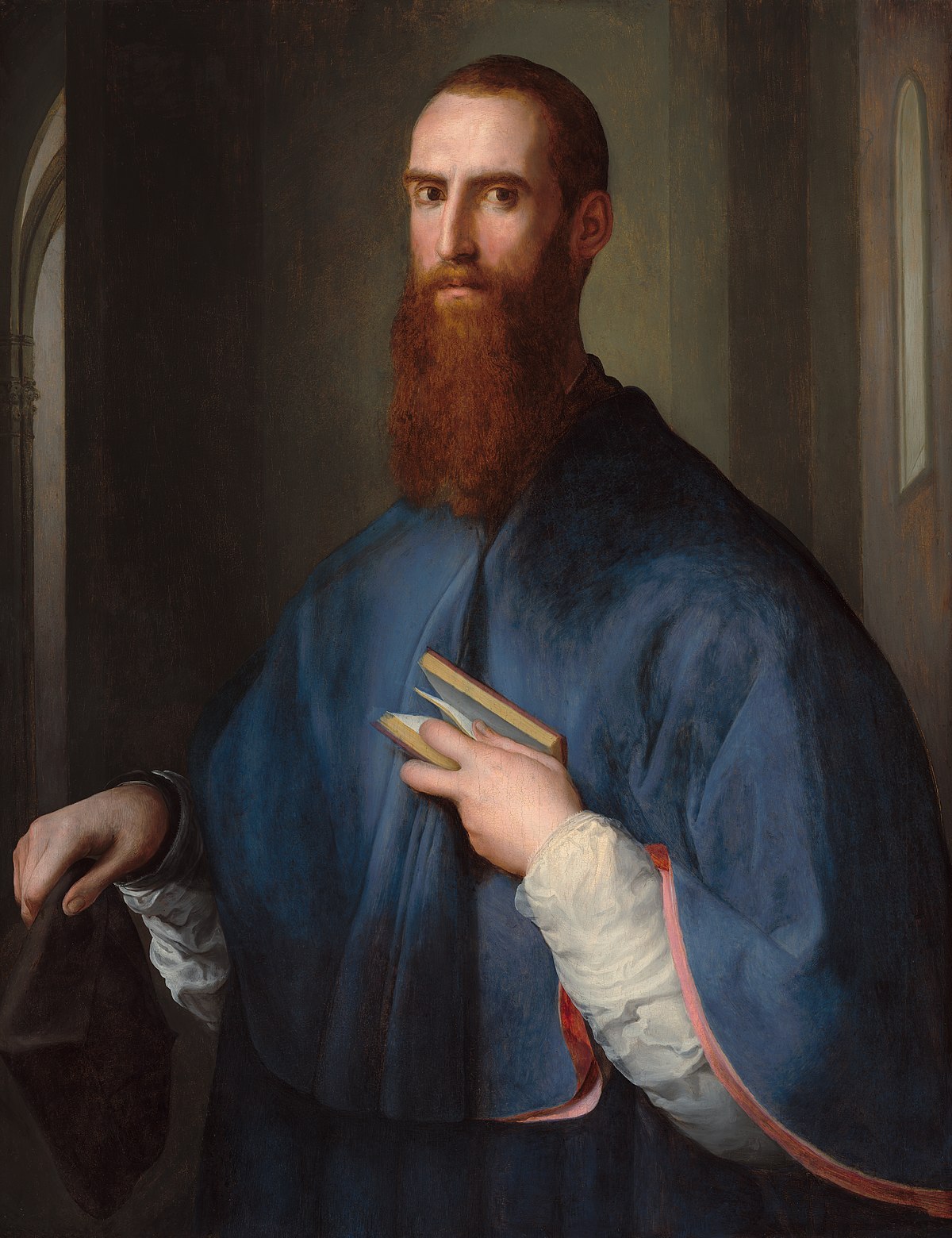
Giovanni Della Casa, commonly known as Monsignor Della Casa, is a significant figure in Italian Renaissance literature and a symbol of refined manners and etiquette. Born in Florence around July 28, 1503, Della Casa was a scholar, writer, and ecclesiastic who made substantial contributions to Italian culture and the Catholic Church. His most famous work, “Galateo,” is a manual on good manners that continues to influence the social norms of politeness and decorum in Italy and beyond. This article delves into the life of Giovanni Della Casa, exploring his journey from a young scholar to a prominent church figure and author, and examining the enduring legacy of his work.
Early Life and Education
Giovanni Della Casa was born into a noble family in Florence, a city that was the epicenter of the Italian Renaissance. The exact date of his birth is somewhat uncertain, but it is generally accepted to be around July 28, 1503. Della Casa’s early life was shaped by the intellectual and cultural environment of Florence, a city renowned for its art, literature, and humanistic studies.
Della Casa began his formal education in Bologna, where he studied under the guidance of Ubaldino Bandinelli. Bandinelli, a respected scholar, introduced Della Casa to the classics of Latin literature, sparking a lifelong passion for humanistic studies. Della Casa’s education continued in Florence, where he furthered his studies in the liberal arts. During this period, he formed a close friendship with Ludovico Beccadelli, another student of Bandinelli, and together they immersed themselves in the works of ancient Greek and Latin authors.
The rigorous education Della Casa received in his youth laid the foundation for his later works. His deep understanding of classical literature and philosophy would later be reflected in his writings, particularly in his famous treatise on manners, “Galateo.”
Ecclesiastical Career
In 1532, Giovanni Della Casa made a pivotal decision to pursue a career in the Catholic Church. He moved to Rome, the heart of the Catholic world, where he quickly rose through the ecclesiastical ranks. His intellect and erudition caught the attention of high-ranking church officials, and he was appointed Archbishop of Benevento in 1544.
The same year, Della Casa was appointed as the Apostolic Nuncio to Venice, a position of great responsibility within the church. As the papal representative in Venice, Della Casa played a crucial role in implementing the church’s policies, particularly those related to the Inquisition. He was instrumental in introducing the Inquisition’s tribunals in Venice and overseeing several high-profile trials. Della Casa’s efforts to strengthen the church’s influence in Venice included attempts to forge an alliance against Emperor Charles V, reflecting the complex political and religious dynamics of the time.
Despite his successes, Della Casa’s fortunes began to decline following the election of Pope Julius III in 1550. The new pope’s policies and alliances did not favor Della Casa, leading to his withdrawal from public life. He retreated to a villa in the Marca Trevigiana region, where he dedicated himself to writing and scholarship.
The Writing of “Galateo” and Literary Contributions
It was during his retreat in the Marca Trevigiana that Giovanni Della Casa wrote his most famous work, “Galateo overo de’ costumi” (Galateo: The Rules of Polite Behavior). Written in 1558, the work was published posthumously and quickly became one of the most influential books on manners and etiquette in Europe.
“Galateo” is a practical guide to social behavior, offering advice on how to conduct oneself with grace and propriety in various social situations. The book is named after Galeazzo Florimonte, a bishop and friend of Della Casa, who inspired the work. “Galateo” covers a wide range of topics, from table manners and conversation to dress and personal hygiene. It emphasizes the importance of modesty, respect for others, and the avoidance of offensive or vulgar behavior.
What sets “Galateo” apart from other works on etiquette is its accessibility and wit. Della Casa wrote the book in Italian, rather than the more scholarly Latin, making it accessible to a broader audience. His tone is light and humorous, avoiding the preachiness that often characterizes similar works. This approach contributed to the book’s wide appeal and lasting popularity.
“Galateo” was not Giovanni Della Casa’s only literary contribution. He was also a prolific poet and writer of Latin verses, many of which reflect the humanist ideals of the Renaissance. His poetry often explored themes of love, beauty, and morality, drawing on the classical tradition of writers like Virgil and Horace. Della Casa’s literary output, while overshadowed by the success of “Galateo,” adds depth to his legacy as a Renaissance man of letters.
Return to Rome and Final Years
In the latter part of his life, Giovanni Della Casa was called back to Rome by Pope Paul IV, who succeeded Julius III. Della Casa was appointed as the Secretary of State for the Vatican, a position that placed him at the center of the Catholic Church’s political and administrative affairs. His return to Rome marked a brief resurgence in his ecclesiastical career, but it was cut short by his declining health.
Giovanni Della Casa passed away on November 14, 1556, in Rome. He was 53 years old. His death marked the end of a career that had seen him rise to the highest ranks of the Catholic Church and become one of the most respected intellectuals of his time. Despite his relatively short life, Della Casa left a lasting impact on both the church and European culture.
The Legacy of Giovanni Della Casa
Giovanni Della Casa’s legacy is deeply intertwined with the enduring influence of “Galateo.” The book’s impact on European society cannot be overstated. For centuries, “Galateo” served as a standard reference for polite behavior, influencing the social customs of the Italian aristocracy and beyond. The term “Galateo” itself became synonymous with etiquette and good manners, a testament to the book’s lasting legacy.
“Galateo” was widely translated and adapted, spreading its influence across Europe. In England, for example, the book was translated and published as “The Boke of Nurture,” becoming a popular guide for the English gentry. Its principles of decorum and civility resonated with the cultural values of the Renaissance and the Enlightenment, shaping the development of modern European society.
In addition to his contributions to literature and manners, Giovanni Della Casa’s work in the Catholic Church, particularly his role in the Inquisition, reflects the complexities of the Renaissance era. His efforts to enforce religious orthodoxy in Venice and his involvement in the church’s political machinations underscore the tensions between the church and secular authorities during this period.
Despite the controversies surrounding his ecclesiastical career, Della Casa is remembered today primarily as a writer and humanist. His ability to combine the classical traditions of Latin literature with the emerging vernacular culture of the Renaissance allowed him to reach a broad audience and leave a lasting mark on European intellectual history.
Giovanni Della Casa in Historical Context
To fully appreciate Giovanni Della Casa’s contributions, it is essential to consider the historical context in which he lived. The early 16th century was a period of significant change in Europe. The Renaissance was in full swing, bringing with it a renewed interest in the classical arts and sciences. At the same time, the Catholic Church was grappling with the challenges posed by the Protestant Reformation, which threatened its authority and influence.
As an intellectual and churchman, Della Casa was deeply embedded in these cultural and religious currents. His work reflects the humanist ideals of the Renaissance, emphasizing the importance of classical learning, moral virtue, and civic responsibility. However, his role in the Inquisition also reveals the darker side of this period, as the church sought to maintain its power in the face of growing dissent.
Della Casa’s “Galateo” can be seen as a response to these tensions. By promoting ideals of civility and decorum, Della Casa sought to foster a sense of social harmony in a time of upheaval. His emphasis on manners as a reflection of moral character aligned with the broader humanist project of cultivating virtuous citizens.
Continuing Relevance of Giovanni Della Casa’s Ideas
More than four centuries after his death, Giovanni Della Casa’s ideas remain relevant. In an age where social norms and behaviors continue to evolve, the principles outlined in “Galateo” offer timeless guidance on how to navigate social interactions with grace and respect. The book’s emphasis on consideration for others, moderation, and the avoidance of excess resonates with contemporary discussions about civility in public discourse.
Moreover, Della Casa’s broader contributions to literature and humanism remind us of the enduring value of the Renaissance’s intellectual legacy. His work serves as a bridge between the classical past and the modern world, demonstrating how the ideas of antiquity can be adapted to address the challenges of contemporary life.
In today’s increasingly globalized society, where diverse cultures and traditions intersect, the principles of “Galateo” offer a valuable framework for fostering mutual understanding and respect. Della Casa’s insights into the importance of manners and etiquette continue to inspire efforts to promote social cohesion and harmony.
Conclusion
Giovanni Della Casa was a Renaissance man in the truest sense—a scholar, writer, and churchman whose work has left a lasting impact on European culture. His most famous work, “Galateo,” remains a touchstone for discussions of manners and etiquette, reflecting the enduring relevance of his ideas. As we navigate the complexities of modern social life, Della Casa’s teachings offer valuable lessons on the importance of civility, respect, and the art of living well.
His legacy as a writer and humanist, as well as his contributions to the Catholic Church, ensure that Giovanni Della Casa’s name will be remembered as one of the great figures of the Italian Renaissance. His life and work continue to inspire those who seek to understand the intersection of culture, morality, and human behavior.


