
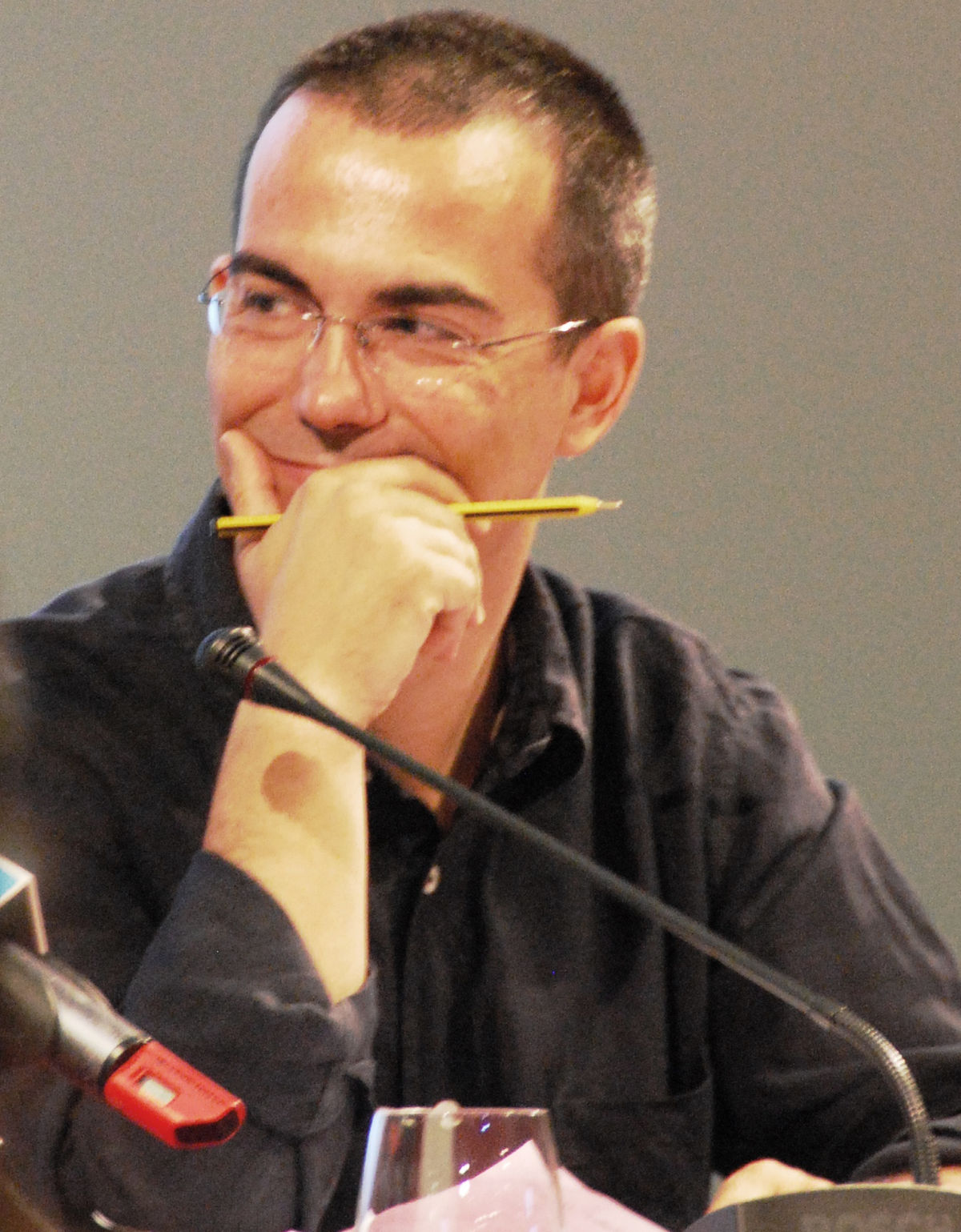
Introduction: A Pillar of Italian Journalism
Giovanni Floris stands as a notable figure in the landscape of Italian journalism, known for his incisive reporting and significant contributions to political discourse. Born on December 27, 1967, in Rome, Floris has built a career that spans print, radio, and television journalism, establishing himself as a trusted voice in Italian media. This article explores the life, career, and achievements of Giovanni Floris, delving into his journey from a young student of political science to one of Italy’s most respected journalists. We will also examine the historical and cultural context in which Floris has operated, providing insights into how his work has shaped public opinion and influenced political dialogue in Italy.
Early Life and Education: A Foundation in Political Science
The Academic Pursuit of Knowledge
Giovanni Floris was born into a family that valued education and intellectual discourse. After completing his secondary education with a classical focus, Floris enrolled at the prestigious Luiss University in Rome. There, he pursued a degree in Political Science, a choice that would lay the groundwork for his future career in journalism. Floris graduated with honors in 1991, presenting a thesis on the evolution of industrial relations in Italy, titled “Capital and Labor: From Conflict to Cooperative Conflict?” His academic excellence was recognized with the “Mondoperaio” award, which not only opened doors to collaborations with prominent figures like Gino Giugni and Luciano Pellicani but also set him on the path toward a career in journalism.
The Beginnings of a Journalism Career
Floris’s entry into journalism was marked by a temporary position at the socialist newspaper “Avanti!,” where he filled in for a colleague on maternity leave. This role, though short-lived, provided Floris with a valuable introduction to the world of journalism. He soon decided to formalize his training by enrolling in the Scuola di Giornalismo Radiotelevisivo in Perugia, one of Italy’s premier institutions for aspiring journalists. After completing the rigorous two-year program, Floris earned his credentials as a professional journalist, marking the beginning of a career that would see him become a leading figure in Italian media.
Career Highlights: From Radio to Television
Rising Through the Ranks at RAI
Floris’s career took off in earnest in 1996 when he was hired by RAI, Italy’s national public broadcasting company. Initially working for the radio news division (Gr1), Floris quickly proved his mettle, earning assignments as both a correspondent and anchor. His work at RAI’s economic news desk allowed him to cover a wide range of topics, from financial crises to labor issues, honing his ability to explain complex subjects to a broad audience. Over time, Floris transitioned to television, where he continued to build his reputation as a journalist with a keen eye for detail and a talent for in-depth reporting.
Notable Assignments and Awards
Floris’s work as a correspondent took him to various parts of the world, including Asia, South America, and Europe. He reported on significant events such as the Asian financial crisis, the economic challenges facing Latin American countries, and the aftermath of the 9/11 attacks in New York, where he was on assignment. His coverage of these events earned him recognition and awards, including the prestigious Saint Vincent Prize in 2000 for an investigative report on Italy’s National Institute for Social Security (INPS), which led to the annulment of several controversial decisions by the institution.
The Rise of “Ballarò”: A Political Talk Show Phenomenon
Ballarò: Redefining Political Discourse on Italian Television
In 2002, Giovanni Floris was offered the opportunity to host a new prime-time political talk show on RAI 3, titled “Ballarò.” The show, named after a historic market in Palermo, quickly became a staple of Italian television, known for its lively debates and in-depth discussions on current political issues. Floris’s role as the moderator of “Ballarò” brought him widespread fame, as he skillfully navigated heated discussions, ensuring that all voices were heard while maintaining the show’s focus on the most pressing issues of the day.
Impact on Italian Politics and Media
“Ballarò” became more than just a talk show; it became a platform where politicians, analysts, and ordinary citizens could engage in meaningful dialogue about the direction of the country. The show’s success was largely due to Floris’s ability to balance the demands of journalism with the expectations of his audience, providing insightful commentary while allowing guests to express their views freely. Under Floris’s leadership, “Ballarò” not only attracted high viewership but also influenced public opinion, making it a key player in the Italian media landscape.
Transition to La 7: A New Chapter
Leaving RAI for La 7
After more than a decade at RAI, Floris made a significant career move in 2014, leaving “Ballarò” and RAI to join the private television network La 7. This transition marked a new chapter in Floris’s career, as he took on the challenge of launching and hosting new programs in a different media environment. The move was seen as a bold step, reflecting Floris’s desire to explore new opportunities and continue to evolve as a journalist.
New Ventures and Continued Success
At La 7, Floris continued to build on his reputation for delivering high-quality journalism. He launched a new show, “DiMartedì,” which maintained the spirit of “Ballarò” while offering fresh perspectives on current events. The show was well-received by audiences and critics alike, further cementing Floris’s status as one of Italy’s leading journalists. His ability to adapt to a new network and maintain his influence in the media demonstrates his resilience and commitment to his craft.
Giovanni Floris: The Author and Public Intellectual
A Prolific Writer
In addition to his work in television and radio, Giovanni Floris has made significant contributions to the world of literature. He is the author of several books, ranging from political analysis to social commentary. His works include “La fabbrica degli ignoranti” (The Factory of the Ignorant), which critiques the Italian education system, and “Oggi è un altro giorno” (Today is Another Day), a reflection on the state of Italian politics. Through his writing, Floris has provided readers with thoughtful insights into the challenges facing Italy, offering a critical perspective that complements his work as a journalist.
Influence as a Public Intellectual
Floris’s influence extends beyond the realm of journalism. As a public intellectual, he has engaged in debates on a wide range of issues, from the role of the media in society to the challenges of governance in contemporary Italy. His ability to articulate complex ideas in a way that is accessible to a broad audience has made him a respected voice in Italian public life. Floris’s work as an author and commentator has earned him numerous accolades, further enhancing his reputation as a leading figure in Italian culture.
Personal Life and Legacy
Balancing Work and Personal Life
Despite the demands of his career, Giovanni Floris has managed to maintain a balance between his professional and personal life. He is known to be an avid sports enthusiast, with a particular passion for soccer and judo. Floris’s love for cinema is also well-documented, and he often draws inspiration from films in his work as a journalist and writer. His personal interests reflect a well-rounded individual who values both intellectual pursuits and physical activity.
A Lasting Legacy in Italian Journalism
As Giovanni Floris continues to shape the landscape of Italian journalism, his legacy is already well-established. His work has not only informed and educated the public but has also played a crucial role in shaping the national conversation on key issues. Floris’s commitment to excellence in journalism, his willingness to tackle difficult topics, and his ability to engage with a diverse audience have made him a role model for aspiring journalists. His legacy will undoubtedly continue to influence the field of journalism in Italy for years to come.
Conclusion: Giovanni Floris, A Journalist of Our Time
Giovanni Floris’s career is a testament to the power of journalism to inform, influence, and inspire. From his early days as a student of political science to his current role as a leading figure in Italian media, Floris has consistently demonstrated a commitment to truth, integrity, and public service. His work has not only earned him widespread recognition but has also made a lasting impact on Italian society. As we look to the future, Giovanni Floris remains a vital voice in the ongoing dialogue about Italy’s place in the world, and his contributions to journalism will continue to resonate for generations to come.


