
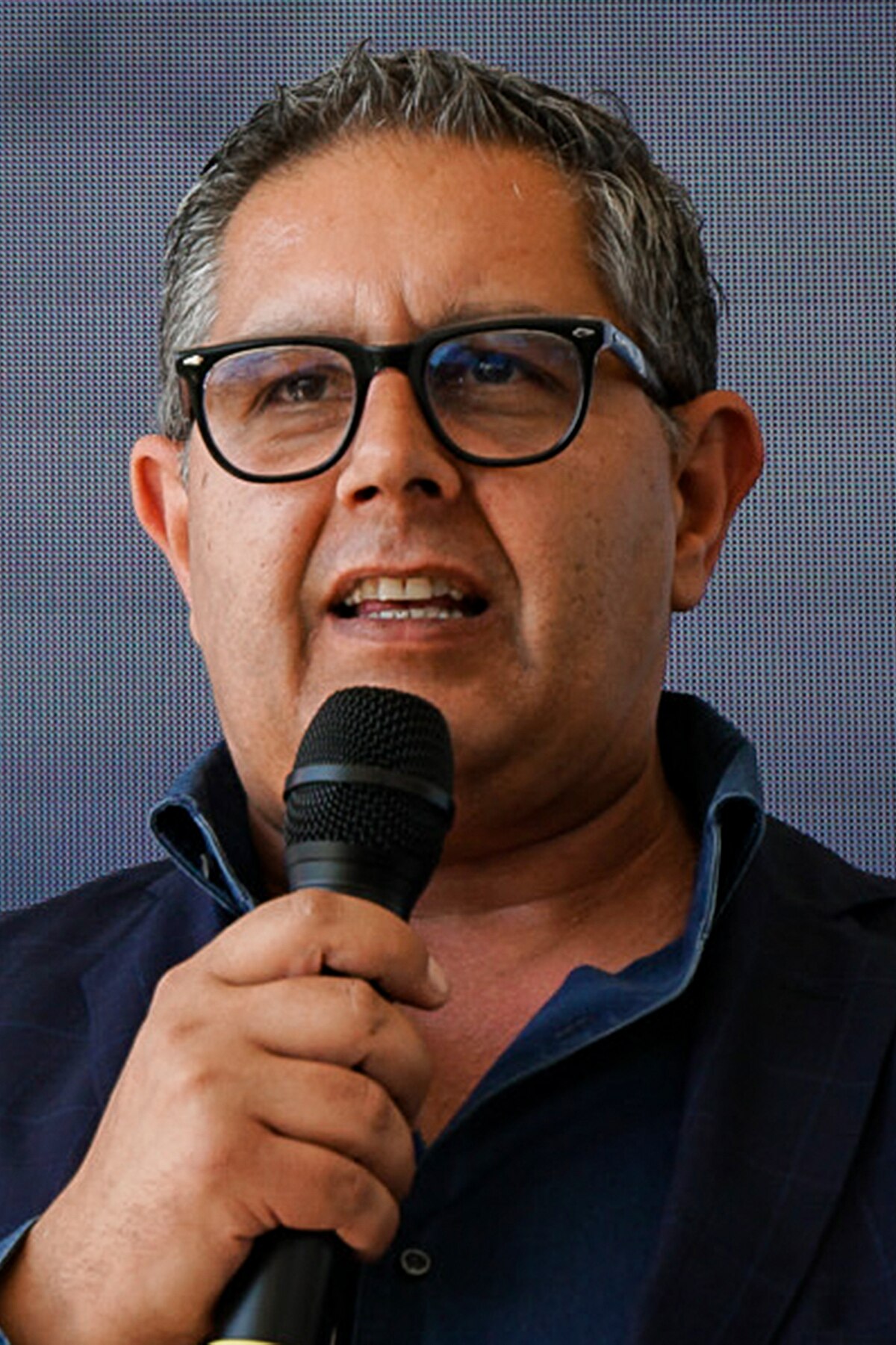
Giovanni Toti, a significant figure in Italian politics and journalism, has had an illustrious career that has taken him from the bustling world of television journalism to the intricate corridors of political power. Born on September 7, 1968, in Viareggio, Italy, Toti’s journey from the son of hoteliers to a well-known public figure is marked by key milestones that have shaped his influence in both media and politics.
Early Life and Education
Giovanni Toti was born in the picturesque town of Viareggio, located on the Tuscan coast. His early years were spent in a family environment rooted in the hospitality industry, as his parents were hoteliers. This background provided him with a unique perspective on the service industry and the challenges associated with running a business. However, it was the allure of journalism that eventually captured his interest, steering him towards a career in media.
Toti’s educational background, while not extensively documented, was likely instrumental in shaping his analytical and communication skills, which would later become his trademarks in both journalism and politics.
Career in Journalism: From Studio Aperto to Mediaset
Giovanni Toti’s career in journalism began in 1996 when he moved to Milan to start an internship at “Studio Aperto,” a news program on the Italian television network Italia 1. His work was quickly recognized, and he advanced from a crime reporter to the head of the service, eventually becoming the editor-in-chief of political news.
Toti’s rise within the ranks of Mediaset, the media conglomerate owned by Silvio Berlusconi, was rapid. After proving his mettle as a journalist, he was appointed as the deputy head of the Mediaset press office. By 2009, he had become the co-director of “Studio Aperto,” where he was responsible for managing programs like “Lucignolo” and “Live,” which focused on in-depth journalistic investigations.
In February 2010, Toti was appointed as the director of “Studio Aperto,” following the departure of Mario Giordano. His tenure was marked by a distinctive editorial style, often controversial, especially due to his perceived alignment with Silvio Berlusconi. Notable among his editorial choices was a live interview with Berlusconi and an editorial following the conviction of Marcello Dell’Utri, which were criticized for lacking objectivity.
Transition to Politics: A New Chapter
Giovanni Toti’s close ties with Berlusconi and his influence within Mediaset naturally led to speculation about his potential involvement in politics. In December 2013, rumors began circulating about Toti being considered for a significant role in Forza Italia, Berlusconi’s political party. By January 2014, these speculations gained traction, with many considering him a potential coordinator for the party or even a candidate for prime minister.
However, his transition from journalism to politics was not without controversy. Enrico Mentana, the director of TgLa7, publicly criticized Toti, challenging him to choose between his journalistic career and political ambitions. By the end of January 2014, Toti had made his decision, stepping down from his roles in journalism to become an advisor to Berlusconi.
Political Ascendancy: Governor of Liguria
In 2015, Giovanni Toti ran for the position of governor of Liguria, a region in northwestern Italy. His campaign was successful, and he was elected as the governor, marking a significant shift from his previous roles in journalism to a full-time political career. His governance was well-received by many, and he was re-elected in September 2020, securing a broad consensus among the electorate.
Toti’s time as governor was characterized by his efforts to address regional issues, including economic development, healthcare, and infrastructure. His leadership style, shaped by his media background, was often direct and media-savvy, enabling him to communicate effectively with both the public and his political peers.
Recent Controversies and Legal Challenges
Despite his success in regional politics, Giovanni Toti’s career faced a significant setback in May 2024, when he was placed under house arrest as part of an investigation related to public administration. This legal challenge marked a dramatic turn in Toti’s life, leading to his resignation at the end of July 2024.
The specifics of the investigation are still unfolding, but this episode has undoubtedly cast a shadow over Toti’s career, raising questions about his future in both politics and public life.
Legacy and Impact
Giovanni Toti’s career is a testament to his adaptability and ambition. From his early days as a journalist to his role as a regional governor, Toti has consistently demonstrated a keen ability to navigate complex environments, whether in the media or politics. His close association with Silvio Berlusconi, while beneficial in his rise to prominence, has also been a double-edged sword, attracting both support and criticism.
His impact on Italian politics, particularly in Liguria, is significant. His governance style, influenced by his journalistic background, has been marked by clear communication and a focus on addressing the immediate concerns of his constituents. However, his recent legal troubles have complicated his legacy, leaving an open question about his future contributions to Italian public life.
Conclusion
Giovanni Toti’s life and career provide a fascinating lens through which to view the intersections of media and politics in Italy. His journey from a journalist in Milan to the governor of Liguria highlights the fluidity between these two worlds, especially in a country where media ownership and political power are often intertwined. While his recent legal issues have marred his reputation, Toti’s influence on Italian journalism and politics remains significant, and his story is far from over.
As the situation surrounding his legal challenges continues to develop, Giovanni Toti’s career will undoubtedly be a subject of interest for both political analysts and the general public. Whether he will be able to return to the political stage or if his future lies elsewhere remains to be seen, but his past achievements ensure that he will be remembered as a key figure in contemporary Italian history.


