
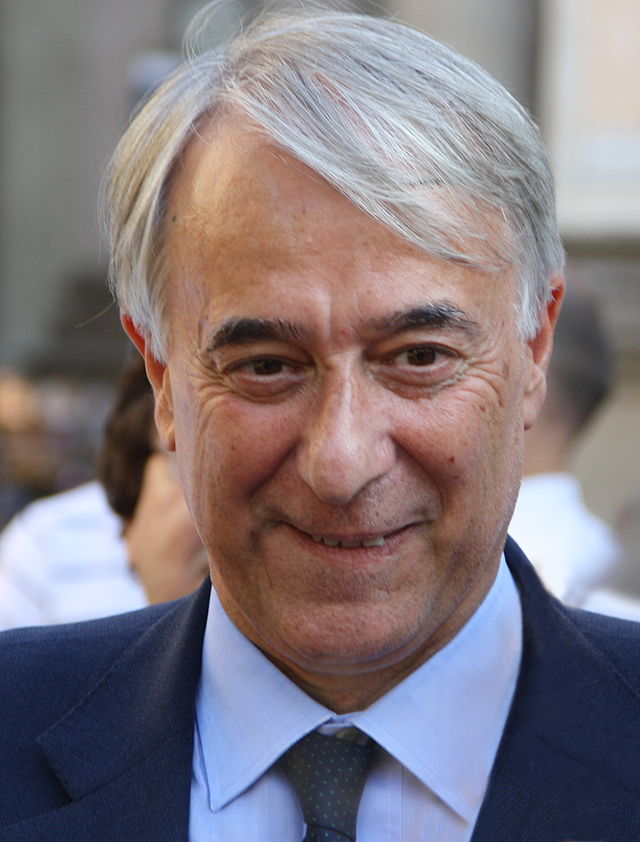
Giuliano Pisapia, born on May 20, 1949, in Milan, Italy, is a prominent Italian lawyer and politician known for his significant contributions to Italian legal and political life. His career spans several decades, marked by both legal battles and political achievements. This article delves into Pisapia’s life, highlighting his key accomplishments and exploring his influence on Italian politics and justice.
Early Life and Education
Giuliano Pisapia was born into a family deeply rooted in the legal profession. His father, Gian Domenico Pisapia, was a renowned lawyer instrumental in drafting the 1989 Italian Code of Criminal Procedure. Inspired by his father’s legacy, Giuliano pursued law and political science at university. After earning his degrees, he continued the family tradition by taking over his father’s law firm in Milan.
Legal Career and Notable Cases
Pisapia’s legal career is distinguished by his work as a criminal defense attorney. He is particularly noted for his role in high-profile cases, including the defense of Abdullah Öcalan, the Kurdish political leader. Öcalan, captured in Nairobi in 1999, faced charges of armed separatism and terrorism. Pisapia’s defense was part of a broader international dialogue on the treatment of political prisoners and human rights.
Another significant case in Pisapia’s career was his representation of the family of Carlo Giuliani, a protester killed during the 2001 G8 summit in Genoa. The case highlighted his commitment to human rights and justice, reflecting his broader concerns about social and political issues.
Pisapia’s legal expertise is also reflected in his published works. He has co-authored several books on law and justice, including “San Vittore: Voci dal carcere e sul carcere” (1988), “Usage de stupéfiants: politiques européennes” (1996), and “Il Diritto e il Rovescio: i rapporti tra politica e magistratura” (2007). These works illustrate his deep understanding of legal systems and his critical perspective on the intersection of law and politics.
Political Career
Pisapia’s entry into politics came in 1996 when he was elected as an independent deputy with the Communist Refoundation Party. His tenure in Parliament saw him chair the Justice Committee and contribute significantly to legislative discussions. Despite his alignment with leftist politics, Pisapia demonstrated a pragmatic approach, supporting the Prodi I government in 1998, even though he was not a member of the Communist Party of Italy.
In 2001, Pisapia was re-elected to Parliament, where he served on various committees and led the Committee on Prisons. His legislative work focused on judicial reform and prison conditions, reflecting his ongoing commitment to legal and social issues.
Pisapia’s most notable political achievement came in 2011 when he was elected Mayor of Milan. Representing the center-left coalition, Pisapia’s victory was a significant political shift in the city, ending two decades of center-right administration. His campaign and subsequent tenure as mayor were marked by efforts to reform urban policies and improve public services.
Mayor of Milan
Pisapia’s term as Mayor of Milan was characterized by several key initiatives. He worked to address Milan’s pressing urban issues, including housing, transportation, and environmental sustainability. His administration also focused on social inclusivity and enhancing the city’s cultural and economic life.
Despite his successes, Pisapia chose not to seek re-election in 2016. His decision paved the way for Beppe Sala, his successor, to continue the policies and projects initiated during Pisapia’s tenure. Sala, a fellow member of the center-left coalition, continued to build on Pisapia’s legacy, furthering the development of Milan as a major European metropolis.
Legacy and Impact
Giuliano Pisapia’s career is a testament to his dedication to justice and public service. His contributions as a lawyer and politician have left a lasting impact on Italian society. His legal work, particularly in human rights cases, has been influential in shaping discussions around justice and political activism. In politics, his tenure as Mayor of Milan represents a significant period of change and reform for the city.
Pisapia’s influence extends beyond his professional achievements. His career reflects a broader commitment to social justice, legal reform, and political integrity. As Italy continues to navigate complex political and social issues, Pisapia’s work remains a relevant and inspiring example of dedication to public service and legal excellence.
Conclusion
Giuliano Pisapia’s life and career encapsulate a profound engagement with law and politics. From his early days as a lawyer to his impactful role as Mayor of Milan, Pisapia has demonstrated a strong commitment to justice and public service. His legacy is marked by his contributions to both the legal profession and Italian politics, highlighting his role in shaping contemporary Italian society.
Pisapia’s story is one of perseverance and dedication, reflecting the significant impact one individual can have on both legal and political arenas. As Italy continues to evolve, Pisapia’s achievements offer valuable lessons in leadership, justice, and civic responsibility.


