
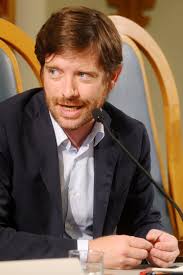
Giuseppe Civati, commonly known as Pippo, is a significant figure in Italian politics, known for his progressive ideas and his advocacy for a more transparent and participatory democracy. Born on August 4, 1975, in Monza, Italy, Civati’s career has been marked by his intellectual approach to politics, his commitment to social justice, and his willingness to challenge the status quo. This article delves into the life, career, and influence of Giuseppe Civati, providing a comprehensive overview of his journey and the key moments that have shaped his political identity.
Early Life and Education
Giuseppe Civati was born and raised in Monza, a city in the Lombardy region of Italy. He attended the Liceo Classico Zucchi, where he developed a strong foundation in the humanities. Civati’s early academic achievements laid the groundwork for his future intellectual pursuits. His interest in philosophy, in particular, would become a defining element of his political career.
In 1995, at the age of 20, Civati began his political journey by joining the Giovani Progressisti (Young Progressives), a political group that aligned with the broader center-left movement in Italy. This was a period of significant political change in Italy, as the country was transitioning from the First to the Second Republic, and new political forces were emerging. Civati quickly became active in local politics, participating in committees supporting Romano Prodi, a key figure in the center-left coalition.
Civati’s academic journey continued alongside his burgeoning political career. He graduated with a degree in Philosophy from the University of Milan, where he later pursued a Ph.D. in Philosophy, specializing in Renaissance studies. His doctoral work focused on the humanist and Renaissance scholar Hans-Georg Gadamer, and Civati’s intellectual interests were reflected in his early publications, which included discussions on humanism, Renaissance thought, and the philosophy of freedom.
Entry into Politics: The Early Years
Civati’s formal entry into politics came in 1997 when he was elected to the Monza City Council. This was a significant step in his career, as it provided him with practical experience in governance and allowed him to engage directly with the issues facing his local community. In 1998, he was appointed the secretary of the Democratici di Sinistra (Democrats of the Left) in Monza, further cementing his role as a rising star within the center-left political sphere.
During these early years, Civati was not only involved in local governance but also continued to contribute to academic discourse. He published several works, including “Un dialogo sull’umanesimo” (A Dialogue on Humanism), which explored the ideas of Gadamer and Ernesto Grassi, and “La libertà perduta” (The Lost Freedom), a philosophical treatise on liberty. These publications reflected Civati’s deep engagement with philosophical ideas and his belief in the importance of intellectual rigor in politics.
In 2002, Civati obtained a diploma in Renaissance Studies from the Istituto di Studi sul Rinascimento in Florence, further deepening his expertise in this area. His academic work during this period was marked by a focus on the intersection of philosophy, history, and politics, themes that would continue to influence his political career.
Rise in Regional Politics and the Formation of New Movements
Civati’s political career took a significant leap forward in 2005 when he was elected to the Lombardy Regional Council, representing the Uniti nell’Ulivo (United in the Olive Tree) coalition. He secured over 19,000 votes in the Monza constituency, demonstrating his growing popularity and influence. His election to the regional council marked the beginning of a more prominent role in Italian politics.
As a regional councilor, Civati continued to advocate for progressive policies and worked to promote good governance. He also remained committed to his academic pursuits, publishing works such as “No logos? Sommario sulla globalizzazione da un punto di vista filosofico” (No Logos? A Summary on Globalization from a Philosophical Perspective) and “L’alternativa possibile” (The Possible Alternative), which addressed political and social issues from a philosophical standpoint.
In 2007, Civati joined the newly formed Partito Democratico (Democratic Party, PD), which was created as a merger of several center-left parties in Italy. This was a critical moment in Italian politics, as the PD sought to unify the fragmented left and present a strong alternative to the center-right. Civati quickly became an influential figure within the party, known for his fresh ideas and commitment to change.
One of Civati’s most notable contributions during this period was his involvement in the organization of the “Festival delle Città Possibili” (Festival of Possible Cities), an event aimed at promoting innovative and sustainable urban policies. The festival was inspired by the idea of creating cities that were not only functional but also inclusive and environmentally sustainable, reflecting Civati’s forward-thinking approach to governance.
The Rottamazione Movement and Collaboration with Matteo Renzi
In 2010, Giuseppe Civati, along with Matteo Renzi, the then-mayor of Florence, initiated the “Prossima Fermata: Italia” (Next Stop: Italy) movement, which held its first conference at the Stazione Leopolda in Florence. This movement was part of a broader campaign known as “Rottamazione,” which called for the renewal and rejuvenation of the Italian political class. The term “rottamazione” literally means “scrapping,” and the movement sought to replace the old guard of Italian politicians with younger, more dynamic leaders.
The Rottamazione movement gained significant traction and became a defining feature of the political landscape at the time. Civati’s collaboration with Renzi was particularly notable, as it highlighted his willingness to challenge the status quo and push for meaningful change within the PD. The movement attracted a significant following, particularly among younger voters who were disillusioned with traditional politics.
In the same year, Civati founded the “Andiamo Oltre” (Let’s Go Beyond) movement within the PD, along with Carlo Monguzzi. This initiative was a response to the dissatisfaction among center-left voters following the regional elections, which saw the re-election of Roberto Formigoni as President of Lombardy. “Andiamo Oltre” was conceived as a project-based movement that focused on policy proposals rather than internal party dynamics. It sought to engage citizens directly in the political process and to develop innovative solutions to the challenges facing Italy.
National Politics and the Bid for PD Leadership
Civati’s growing influence within the PD culminated in his election to the Italian Chamber of Deputies in the 2013 general elections. Representing the Lombardy I constituency, he became a prominent voice within the party, known for his independent stance and willingness to challenge party leadership when necessary.
In the lead-up to the 2013 PD leadership contest, Civati announced his candidacy for the position of party secretary. His campaign was built on a platform of transparency, social justice, and grassroots engagement. Civati positioned himself as a progressive alternative to the more centrist candidates, emphasizing the need for the PD to reconnect with its base and address the concerns of ordinary Italians.
Although Civati ultimately did not win the leadership contest, which was won by Matteo Renzi, his campaign resonated with many within the party, particularly those who were frustrated with the direction the PD was taking. Civati’s candidacy was seen as a bold and principled stand for the values he believed the party should uphold.
Departure from the Democratic Party and Founding of Possibile
In May 2015, Giuseppe Civati made the difficult decision to leave the PD, citing deep disagreements with the party’s direction under Renzi’s leadership. Specifically, Civati was opposed to Renzi’s approach to governance, which he felt was too centrist and compromised the core values of the center-left. Civati was particularly critical of the government’s labor reforms and its handling of constitutional changes.
Following his departure from the PD, Civati founded a new political movement called Possibile. The name of the movement reflected Civati’s belief in the possibility of creating a more just, equitable, and participatory society. Possibile sought to engage directly with citizens, encouraging them to take an active role in shaping the future of the country.
Possibile positioned itself as a progressive and inclusive movement, with a strong emphasis on environmental sustainability, social justice, and human rights. It attracted members who were disillusioned with mainstream politics and who were looking for an alternative that aligned with their values.
Intellectual Contributions and Public Discourse
Throughout his career, Giuseppe Civati has made significant contributions to public discourse through his writings and intellectual work. He has authored numerous books and articles on political theory, philosophy, and contemporary social issues. His works often explore the intersection of philosophy and politics, providing deep insights into the challenges facing modern societies.
Civati’s intellectual approach to politics is reflected in his focus on ideas and principles rather than mere pragmatism. He has consistently advocated for a politics that is rooted in ethical considerations and that seeks to address the structural inequalities that exist in society.
His books, such as “Il manifesto del partito dei giovani” (The Manifesto of the Youth Party) and “Partito digitale. Il PD che viene dal futuro” (Digital Party: The PD of the Future), co-authored with Antonio Tursi, offer a vision for a more inclusive and forward-thinking political movement. Civati’s writings emphasize the importance of adapting to new technological and social realities while remaining committed to core progressive values.
Legacy and Future Prospects
Giuseppe Civati’s legacy in Italian politics is characterized by his unwavering commitment to social justice, his intellectual rigor, and his willingness to challenge the status quo. He has been a vocal advocate for progressive policies and has consistently pushed for greater transparency and citizen participation in the political process.
Although Civati has faced challenges and setbacks in his political career, he remains a respected figure within the Italian left. His work with Possibile continues to inspire those who are seeking an alternative to mainstream politics and who believe in the possibility of creating a better future.
As Civati continues to engage with political and intellectual life, his influence is likely to persist, particularly among younger generations who are drawn to his ideas and his vision for a more just and equitable society.
In conclusion, Giuseppe Civati is a significant figure in contemporary Italian politics, known for his intellectual contributions, his commitment to progressive values, and his advocacy for a more participatory and transparent democracy. His journey from local politics in Monza to the national stage reflects his dedication to making a positive impact on society, and his legacy is one of principled leadership and a steadfast commitment to social justice.


