
Introduction
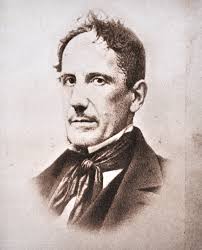
Giuseppe Gioachino Belli, born on September 7, 1791, in Rome, is one of the most renowned Italian poets, particularly famous for his extensive collection of sonnets written in the Roman dialect. His works provide a vivid portrayal of life in 19th-century Rome, blending humor, satire, and social commentary. This article explores his age, fame, and significant life highlights, offering a detailed insight into his contributions to Italian literature and the socio-cultural context of his time.
Early Life and Education
Childhood and Family Background
Giuseppe Gioachino Belli was born into a modest family. His father, Gaudenzio Belli, held a government position in the Papal States, while his mother, Luigia Mazio, managed the household. The political upheaval of the late 18th century, including the proclamation of the French Republic in 1798, forced the young Belli and his mother to seek refuge in Naples, where they experienced severe poverty.
Education and Early Struggles
Returning to Rome after the restoration of Pope Pius VII, Belli’s father secured a position in Civitavecchia. At the age of 13, Belli was sent to study at the Jesuit-run Collegio Romano. However, his parents’ early deaths left him an orphan, compelling him to take on various modest jobs to support himself. Despite these hardships, he immersed himself in literature and poetry.
Literary Career and Marriage
Early Literary Endeavors
Belli’s literary career began around 1810 when he co-founded the Accademia Tiberina. This institution was part of Rome’s literary scene, which at the time was dominated by Arcadian poetry and a fascination with antiquities. His early works reflected these influences, but Belli soon developed a distinctive voice.
Marriage and Stability
At 25, Belli married Maria Conti, a wealthy widow. This marriage, which was more of a strategic alliance than a romantic union, provided him with financial stability. The couple had one son, Ciro. With this newfound security, Belli could focus more intently on his literary pursuits, leading to the creation of his most famous works.
The “Sonetti Romaneschi”
Inspiration and Themes
Between 1830 and 1837, Belli wrote the bulk of his “Sonetti Romaneschi,” a collection of over 2,000 sonnets. These poems, written in the Roman dialect, offer a sharp, often humorous critique of Roman society. Belli’s sonnets cover a wide range of themes, including politics, religion, and everyday life, showcasing his keen observational skills and his ability to capture the vernacular of the common people.
Literary Style and Influence
Belli’s sonnets are celebrated for their linguistic precision, vivid imagery, and satirical wit. His use of the Roman dialect not only preserved the unique linguistic traits of the time but also made his work accessible to a broader audience. Belli’s influence extended beyond his contemporaries, shaping the dialectal poetry tradition in Italy.
Travels and Cultural Exchange
Broadening Horizons
Belli’s travels played a crucial role in shaping his literary perspective. He visited several major Italian cities, including Venice (1817), Naples (1822), Florence (1824), and Milan (1827-1829). These journeys exposed him to the broader cultural and literary movements of the time, including Enlightenment and Romanticism.
Encounters and Inspirations
During his travels, Belli engaged with leading intellectuals and writers, expanding his literary network. His exposure to the works of Enlightenment and Romantic writers, both Italian and foreign, influenced his literary style and thematic focus. This period of cultural exchange enriched Belli’s understanding of literature and society, which he reflected in his sonnets.
Later Life and Political Turmoil
Personal Loss and Decline
The death of Belli’s wife in 1837 marked a turning point in his life. He faced significant financial and emotional difficulties, which affected his creative output. Despite his earlier prolific period, Belli’s poetic production declined, and he struggled to regain his former vigor.
Political Shifts and Silencing
The political landscape of Rome underwent significant changes during Belli’s lifetime. The fall of the Roman Republic and the subsequent restoration of Papal rule deeply affected him. Initially, he had supported liberal ideas but later became more conservative, fearing the potential repercussions on his son’s career in the Papal administration. This shift led Belli to distance himself from his earlier works, instructing his friend Monsignor Tizzani to destroy them after his death. Fortunately, Tizzani preserved Belli’s manuscripts, ensuring the survival of his literary legacy.
Literary Legacy and Posthumous Recognition
Preservation and Publication
After Belli’s death on December 21, 1863, his works were safeguarded and eventually published. The “Sonetti Romaneschi” were recognized for their historical and cultural significance, providing an invaluable glimpse into 19th-century Roman life.
Italian Language Works
Although Belli is best known for his dialect poetry, his contributions to Italian literature also include works in standard Italian. These works, though less celebrated, showcase his versatility as a poet. The complete edition of his Italian poetry, titled “Belli Italiano,” was published in 1975, highlighting his broader literary contributions.
Letters and Zibaldone
Belli’s letters and “Zibaldone” (a collection of extracts and indexes of works) offer further insight into his thoughts and literary influences. His correspondence reveals his dark humor and engagement with contemporary intellectual debates, while the “Zibaldone” documents his familiarity with Enlightenment and Romantic literature.
Impact on Italian Literature
Satirical Tradition
Belli’s sonnets have had a lasting impact on Italian literature, particularly in the realm of satirical poetry. His ability to blend humor with sharp social commentary set a precedent for future poets and writers.
Cultural Preservation
By writing in the Roman dialect, Belli not only captured the essence of his contemporary society but also preserved the linguistic heritage of Rome. His work serves as a valuable resource for linguists and historians studying the evolution of the Roman dialect and the socio-cultural dynamics of the time.
Modern Interpretations
Belli’s work continues to inspire contemporary poets and writers. His influence can be seen in the works of modern Italian dialect poets, who draw on his themes and stylistic innovations. Belli’s sonnets have also been translated into various languages, allowing a global audience to appreciate his unique literary contributions.
Conclusion
Giuseppe Gioachino Belli’s life and work offer a fascinating glimpse into the cultural and social fabric of 19th-century Rome. His “Sonetti Romaneschi” remain a testament to his literary genius, combining linguistic mastery with keen social insight. Despite the challenges he faced, Belli’s contributions to Italian literature have secured his place among the great poets of his time. His legacy continues to resonate, influencing both scholars and readers around the world.


