
Introduction
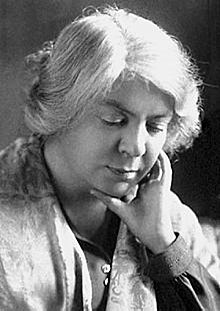
Grazia Deledda, a pioneering figure in Italian literature, remains one of the most significant voices of the 20th century. Her works, deeply rooted in the traditions and landscapes of Sardinia, have resonated with readers worldwide. Deledda’s literary achievements culminated in her receiving the Nobel Prize for Literature in 1926, making her the first and only Italian woman to receive this prestigious award. This article delves into the life, works, and legacy of Grazia Deledda, providing detailed insights into her journey from a small town in Sardinia to the international literary stage.
Early Life and Background
Grazia Deledda was born on September 27, 1871, in Nuoro, a small town in Sardinia. She was the fifth of seven children in a family belonging to the well-to-do bourgeoisie. Her father, Giovanni Antonio, was a legal procurator and a strict Catholic, while her mother, Francesca Cambosu, was a devoted homemaker. Growing up in this environment, Deledda was exposed to the rich oral traditions of Sardinia, which would later become a significant influence on her literary work.
From a young age, Deledda demonstrated a keen interest in literature, often finding solace in reading and writing. Despite the limited educational opportunities available to women in her time, she was largely self-taught, drawing from the works of Italian and foreign authors to cultivate her craft. Her early exposure to the complexities of human emotions and societal norms in Sardinia became a recurring theme in her stories, often depicting the struggles and resilience of her characters against the backdrop of a harsh, yet beautiful, landscape.
The Beginnings of a Literary Career
At just 17 years old, Deledda made her literary debut by submitting her first work, “Sangue Sardo” (“Sardinian Blood”), to the Roman magazine “Ultima Moda.” This story, which told the tragic tale of a woman who kills the man she loves because he is in love with her sister, marked the beginning of Deledda’s exploration of themes such as love, jealousy, and the fatalism that often characterized Sardinian life. The work, though not widely recognized at the time, demonstrated Deledda’s ability to weave complex narratives that resonated with the emotional and cultural realities of her homeland.
Between 1888 and 1890, Deledda continued to hone her craft by contributing to various Roman, Sardinian, and Milanese magazines. During this period, she experimented with both prose and poetry, trying to find her voice in a literary world dominated by male authors. Her first novel, “Fior di Sardegna” (“Flower of Sardinia”), published in 1892, received favorable reviews and marked the beginning of her recognition in the Italian literary scene. Although her early works were influenced by late Romanticism, they lacked the psychological depth that would later define her mature writing.
The Influence of Ethnology and Folklore
Deledda’s interest in the traditions and folklore of Sardinia played a crucial role in shaping her literary voice. Encouraged by the ethnologist Angelo De Gubernatis, she began contributing to the “Rivista di Tradizioni Popolari Italiane” (“Review of Italian Popular Traditions”) between 1893 and 1895. During this period, she published a series of essays on the folk traditions of Nuoro, which later became integral to her storytelling.
Her deep understanding of Sardinian customs, beliefs, and superstitions allowed her to create authentic and richly textured narratives that resonated with readers across Italy. These themes became particularly prominent in her later works, where she often portrayed the tension between modernity and tradition, and the impact of societal changes on the lives of her characters.
Rise to Fame: Major Works and Critical Acclaim
Deledda’s literary career gained significant momentum in the late 1890s. In 1895, she published “Anime Oneste” (“Honest Souls”), followed by “La Via del Male” (“The Way of Evil”) in 1896, which garnered the attention of Luigi Capuana, a leading figure in Italian verismo (realism). Capuana’s recognition of her talent provided Deledda with the confidence to pursue writing more vigorously.
In 1899, while staying in Cagliari, Deledda met Palmiro Madesani, a government official from the Ministry of Finance. Their relationship quickly blossomed, and they were married on January 11, 1900. This marriage marked a turning point in Deledda’s life, as she moved to Rome later that year—a long-held dream that allowed her to escape the provincial confines of Sardinia.
In Rome, Deledda continued to write prolifically. Her novel “Elias Portolu,” published serially in “Nuova Antologia” between August and December of 1900, is considered one of her finest works. The novel tells the story of a young man who struggles with his faith and love for his brother’s fiancée, encapsulating the themes of sin, redemption, and the moral dilemmas that would come to characterize Deledda’s work.
A Prolific Period: The Golden Years of Writing
The early 20th century was a period of intense creativity for Deledda. Her novels during this time, such as “Cenere” (“Ashes”) in 1904 and “Canne al Vento” (“Reeds in the Wind”) in 1913, are regarded as some of her most significant contributions to Italian literature. “Cenere” was later adapted into a film starring the renowned actress Eleonora Duse in 1916, further cementing Deledda’s place in Italian cultural history.
“Canne al Vento,” perhaps her most famous work, is a poignant exploration of human suffering and resilience, set against the backdrop of the Sardinian landscape. The novel’s portrayal of the lives of the Pintor sisters, who are bound by tradition and fate, reflects Deledda’s deep understanding of the Sardinian psyche. The book’s success was both critical and commercial, and it remains a staple of Italian literature.
During this period, Deledda’s productivity was astounding. She published nearly two works a year, including novels, short stories, and essays. Her ability to consistently produce high-quality literature was a testament to her dedication to her craft and her deep well of inspiration drawn from her Sardinian roots.
The Nobel Prize and International Recognition
In 1926, Grazia Deledda’s literary achievements were recognized on the international stage when she was awarded the Nobel Prize for Literature. She was the second Italian author to receive this honor, following Giosuè Carducci, and remains the only Italian woman to have won the Nobel Prize for Literature.
The Nobel Committee praised Deledda for her “idealistically inspired writings which, with plastic clarity, picture the life on her native island and with depth and sympathy deal with human problems in general.” This recognition not only solidified her status as one of Italy’s greatest literary figures but also brought her work to a global audience.
Deledda’s Nobel Prize win was a source of immense pride for Italy, particularly for the people of Sardinia, who saw in her a reflection of their own struggles and triumphs. Despite the fame and recognition that came with the prize, Deledda remained a private individual, dedicated to her family and her writing.
Later Works and Legacy
In the years following her Nobel win, Deledda continued to write, although her output slowed due to health issues. Her later works, such as “Il Dio dei Viventi” (“The God of the Living”) in 1922 and “Annalena Bilsini” in 1927, reflect a mature author grappling with themes of spirituality, mortality, and the human condition.
Her final novel, “La Chiesa della Solitudine” (“The Church of Solitude”), published in 1936, is a deeply personal work that mirrors Deledda’s own battle with cancer. The protagonist’s struggle with illness and isolation reflects the author’s own experiences, making this work a poignant farewell to her readers.
Grazia Deledda passed away on August 15, 1936, at the age of 64. Her death marked the end of an era in Italian literature, but her legacy continues to live on through her extensive body of work. Deledda’s novels and stories remain a vital part of the Italian literary canon, studied in schools and universities and cherished by readers around the world.
Conclusion: The Enduring Influence of Grazia Deledda
Grazia Deledda’s contributions to literature are not only significant for their artistic merit but also for their cultural and historical importance. Her works offer a unique window into the life and traditions of Sardinia, capturing the essence of a region and its people with unparalleled depth and sensitivity. Deledda’s exploration of universal themes—such as love, sin, redemption, and the human struggle against fate—has ensured her place in the pantheon of great literary figures.
As the first and only Italian woman to receive the Nobel Prize for Literature, Deledda paved the way for future generations of female writers in Italy and beyond. Her life and work continue to inspire readers and writers alike, reminding us of the power of literature to transcend boundaries and connect us to the shared experiences of humanity.
Grazia Deledda remains a towering figure in Italian literature, and her legacy is one of resilience, creativity, and an unyielding commitment to storytelling. Her works, rich in cultural detail and emotional complexity, will continue to be read, studied, and admired for generations to come.


