
Introduction
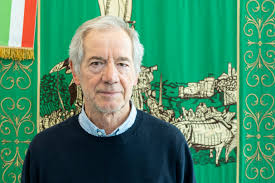
Guido Bertolaso is a renowned Italian figure known for his significant contributions to public health, civil protection, and emergency management. Born on March 20, 1950, in Rome, Bertolaso has built a remarkable career characterized by humanitarian efforts, leadership in crisis situations, and substantial influence in both national and international spheres. This article delves into his life, career milestones, and the profound impact he has had on various sectors.
Early Life and Education
Birth and Family Background
Guido Bertolaso was born in Rome, Italy, into a family that valued education and public service. His upbringing in the vibrant and historically rich city of Rome played a pivotal role in shaping his worldview and commitment to humanitarian causes.
Education
Bertolaso’s academic journey is marked by excellence. He graduated with honors in Medicine and Surgery from the University of Rome “La Sapienza” in 1977. His pursuit of knowledge did not stop there; he furthered his studies at the Liverpool School of Tropical Medicine, where he earned a Master’s degree in tropical diseases. This specialized training equipped him with the skills and knowledge necessary to tackle health crises in some of the most challenging environments.
Humanitarian Work and Early Career
African Mission
Inspired by the humanitarian work of Albert Schweitzer, Bertolaso embarked on a mission to Africa at the age of 27. He responded to cholera epidemics in Mali, Senegal, Burkina Faso, Niger, and Somalia. His work in these regions was not only about providing immediate medical care but also about building sustainable health infrastructures and educating local populations about disease prevention.
Cambodia and UNICEF
After the Vietnamese invasion and the fall of Pol Pot in Cambodia, Bertolaso was tasked with administering a new hospital in the jungle. Upon arrival, he discovered that the hospital did not exist and took it upon himself to oversee its construction and operation.
His success in Cambodia led to an offer from UNICEF to become the director in Somalia. However, his career took a different turn when he was called back to Italy to become responsible for healthcare assistance to developing countries, a role he held throughout the 1980s.
National and International Leadership
Italian Government Roles
In January 1990, Bertolaso was appointed General Manager of the Presidency of the Council of Ministers in Italy. By March of the same year, he became Head of the Department for Social Affairs. His leadership capabilities were further recognized in 1993 when he was appointed Deputy Executive Director of UNICEF in New York. In this role, he spearheaded policies on children’s rights, international adoptions, and the fight against child exploitation.
Civil Protection Department
In September 2001, Bertolaso was appointed Head of the National Civil Protection Department in Italy, a position he held with distinction until 2010. During his tenure, he managed numerous emergencies, including natural disasters such as the L’Aquila earthquake, volcanic eruptions in the Eolian Islands, and the waste management crisis in Naples. His role extended to coordinating significant national events like the funeral of Pope John Paul II and the 2009 G8 Summit in L’Aquila.
Commissioner and Crisis Manager
Bertolaso’s expertise in crisis management was called upon repeatedly. He served as Commissioner for various emergencies, including the maritime areas of Lampedusa, the cleanup of the Haven shipwreck, and the risk of biological and nuclear threats. His ability to handle diverse and complex situations earned him respect across the political spectrum.
Controversies and Challenges
G8 Inquiry and Resignation
In February 2010, amidst an investigation into the G8 Summit works at La Maddalena, Bertolaso was issued a notice of guarantee. Although he offered his resignation, it was rejected by then-Prime Minister Silvio Berlusconi. Despite the political turbulence, Bertolaso continued to serve until November 2010, when he retired from his official duties.
Return to Public Life
2016 Mayoral Candidacy
After a brief retirement, Bertolaso returned to public life in 2016 when he was asked by center-right parties to run for Mayor of Rome. Although his bid was unsuccessful, it underscored the continued trust and confidence in his leadership abilities.
COVID-19 Pandemic Response
In March 2020, as the COVID-19 pandemic swept through Italy, Bertolaso was once again called into action. The Governor of Lombardy, Attilio Fontana, appointed him as a personal consultant. Bertolaso was instrumental in the rapid construction of an auxiliary hospital in Milan’s Fiera area, demonstrating his enduring commitment to public health and emergency response.
Personal Life and Legacy
Personal Values
Bertolaso’s career reflects his deep-seated values of service, resilience, and humanitarianism. His personal philosophy has always been about making a tangible difference in the world, often in the most challenging conditions.
Recognition and Influence
Throughout his career, Bertolaso has been recognized by many prominent Italian politicians, including Giulio Andreotti, Romano Prodi, Giuliano Amato, Francesco Rutelli, and Silvio Berlusconi. His work has left an indelible mark on Italy’s public health and emergency management systems.
Conclusion
Guido Bertolaso’s life is a testament to the power of dedication, expertise, and unwavering commitment to humanitarian principles. From his early days fighting epidemics in Africa to his leadership in Italy’s civil protection efforts, Bertolaso has consistently demonstrated a unique ability to manage crises and lead with compassion. His legacy continues to inspire and set a benchmark for future generations in public service and emergency management.


