
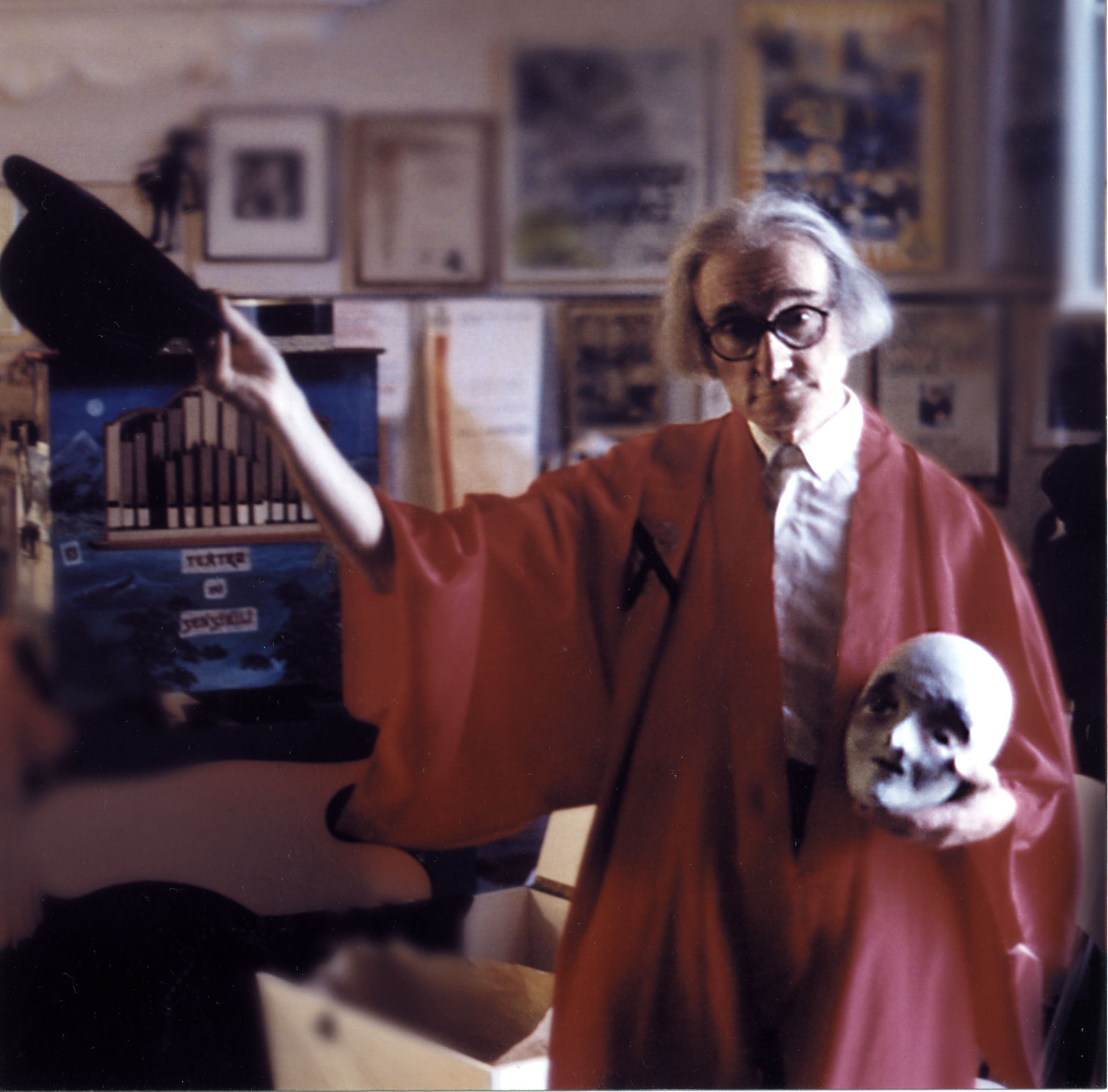
Guido Ceronetti was an Italian polymath—a poet, philosopher, journalist, writer, translator, playwright, and puppeteer—whose life and work spanned nearly a century. Born on August 24, 1927, in Andezeno, a small town near Turin, Italy, Ceronetti’s intellectual and creative contributions left an indelible mark on Italian culture. Known for his profound erudition and inexhaustible humanistic sensitivity, Ceronetti was a unique figure in the literary and philosophical landscape of Italy. This article delves into the life, career, and legacy of Guido Ceronetti, exploring the various facets of his work and the impact he had on the cultural world.
Early Life and Beginnings
Guido Ceronetti was born into a world that would soon be engulfed by the turmoil of the 20th century. Growing up in Andezeno, he was surrounded by the rich cultural heritage of the Piedmont region, which would later influence his intellectual pursuits. From a young age, Ceronetti exhibited a deep curiosity about the world around him, particularly in the realms of literature, philosophy, and the arts.
His early education laid the foundation for what would become a lifelong journey of exploration and creativity. Ceronetti began writing and publishing his thoughts and reflections at a young age, displaying a maturity and depth of insight that was rare for someone of his years. By 1945, at just 18 years old, he had already started contributing to various Italian newspapers, a testament to his early recognition as a serious thinker and writer.
Career as a Journalist and Writer
Ceronetti’s career as a journalist took a significant turn in 1972 when he began his long-term collaboration with La Stampa, one of Italy’s leading newspapers. His contributions to La Stampa were not limited to mere reporting; they were rich in philosophical musings, cultural criticism, and reflections on the human condition. Through his articles, Ceronetti engaged with his readers on a deep intellectual level, challenging them to think critically about the world.
As a writer, Ceronetti’s output was vast and varied. He wrote extensively on a wide range of topics, from ancient history and classical literature to contemporary social issues. His writing style was characterized by a unique blend of erudition, wit, and a deep sense of melancholy—a reflection of his view of the world as a place of both beauty and suffering.
Ceronetti was also a prolific translator, and his work in this field is perhaps one of his most significant contributions to Italian culture. He translated numerous classical texts from Latin, including works by Martial, Catullus, and Juvenal, as well as texts from ancient Hebrew, such as the Holy Scriptures. His translations were not merely linguistic exercises; they were acts of cultural preservation and interpretation, bringing ancient wisdom into the modern era.
The Teatro dei Sensibili
In 1970, Ceronetti founded the Teatro dei Sensibili (Theatre of the Sensitive), a project that combined his love of literature, philosophy, and the performing arts. Alongside his wife, Erica Tedeschi, Ceronetti created and performed itinerant shows using what he called “marionette ideofore”—puppets that carried ideas rather than just stories.
The Teatro dei Sensibili was a unique cultural experiment, blending elements of traditional puppetry with philosophical and literary themes. The performances were intimate, often held in small venues or even in private homes, creating a personal and direct connection between the performers and the audience. The marionettes themselves were works of art, often crafted by Ceronetti and other artists, and were used to explore complex ideas and emotions in a way that was both accessible and profound.
The Teatro dei Sensibili was not just a theatrical endeavor; it was a manifestation of Ceronetti’s philosophy of life. Through these performances, he sought to engage with the deeper questions of existence, exploring themes such as mortality, identity, and the nature of reality. The theater became a space where ideas could be expressed in a form that was both playful and deeply serious, reflecting Ceronetti’s belief in the power of art to reveal the truths of the human condition.
Contributions to Philosophy and Literature
Ceronetti’s contributions to philosophy and literature are vast and diverse. His works often defied easy categorization, blending elements of different genres and disciplines to create something entirely new. He was deeply influenced by the classical tradition, but he was also a keen observer of contemporary society, and his writings reflect this duality.
One of Ceronetti’s central concerns was the nature of human suffering and the search for meaning in a world that often seems indifferent to our struggles. This theme is evident in his philosophical writings, where he explored the existential dilemmas that have preoccupied thinkers for centuries. His work often took on a pessimistic tone, reflecting his belief that life is filled with suffering and that true happiness is elusive. However, this pessimism was tempered by a deep appreciation for the beauty of the world and the possibilities of art and philosophy to offer solace and understanding.
Ceronetti’s literary output includes essays, poetry, and translations, each of which showcases his distinctive voice and intellectual rigor. His essays are known for their incisive analysis and philosophical depth, while his poetry often explores themes of loss, memory, and the passage of time. As a translator, Ceronetti brought new life to ancient texts, making them accessible to modern readers while preserving their original meanings and nuances.
Legacy and Impact
Guido Ceronetti’s legacy is one of intellectual curiosity, artistic innovation, and a profound commitment to exploring the human condition. His work has had a lasting impact on Italian culture, influencing generations of writers, philosophers, and artists.
In 1994, Ceronetti’s contributions were formally recognized when the Archivio Prezzolini at the Cantonale Library in Lugano opened the Guido Ceronetti Fund. This archive, humorously referred to by Ceronetti as the “fondo senza fondo” (the bottomless fund), contains a wealth of material, including manuscripts, published and unpublished works, notebooks of poetry and translations, letters, and notes on various disciplines, as well as scripts for cinema and radio. The archive also holds numerous drawings and artworks, some created by Ceronetti himself, as well as collages and postcards, which were later exhibited in a 2000 show titled “Dalla buca del tempo: la cartolina racconta” (From the Depths of Time: The Postcard Tells the Story).
Ceronetti’s influence extended beyond the written word. He was also known for his support of vegetarianism, which he saw as a moral and ethical stance against the suffering of animals. This aspect of his life was closely linked to his broader philosophical beliefs, which emphasized compassion, empathy, and the importance of living in harmony with the natural world.
Later Life and Death
In his later years, Guido Ceronetti continued to write and engage with the world around him. Despite the challenges of aging, his intellectual vitality remained undiminished, and he continued to contribute to cultural and philosophical discourse until the very end of his life.
Ceronetti passed away on September 13, 2018, in Cetona, a small town in the province of Siena, at the age of 91. His death marked the end of a remarkable life, but his work continues to resonate with readers and thinkers who are drawn to his unique blend of erudition, creativity, and philosophical insight.
His final book, Messia (2017), is a fitting conclusion to his literary career. In this work, Ceronetti once again grappled with the profound questions that had preoccupied him throughout his life, exploring the themes of redemption, hope, and the search for meaning in a world that often seems devoid of it.
Conclusion
Guido Ceronetti was a figure of immense intellectual and creative energy, whose work spanned multiple disciplines and left a lasting impact on Italian culture. Whether as a journalist, writer, translator, or puppeteer, Ceronetti brought a unique perspective to everything he did, challenging conventional thinking and encouraging his readers and audiences to engage with the deeper questions of life.
His legacy is one of unending curiosity and a commitment to exploring the complexities of the human experience. Through his writings, his theater, and his translations, Ceronetti sought to illuminate the dark corners of existence, offering insights that continue to inspire and provoke thought.
As we look back on the life and work of Guido Ceronetti, we are reminded of the power of art and philosophy to transcend the ordinary and to open new avenues of understanding. His contributions to literature, philosophy, and culture will continue to be studied and appreciated for generations to come, ensuring that his influence endures long after his passing.


