
Introduction
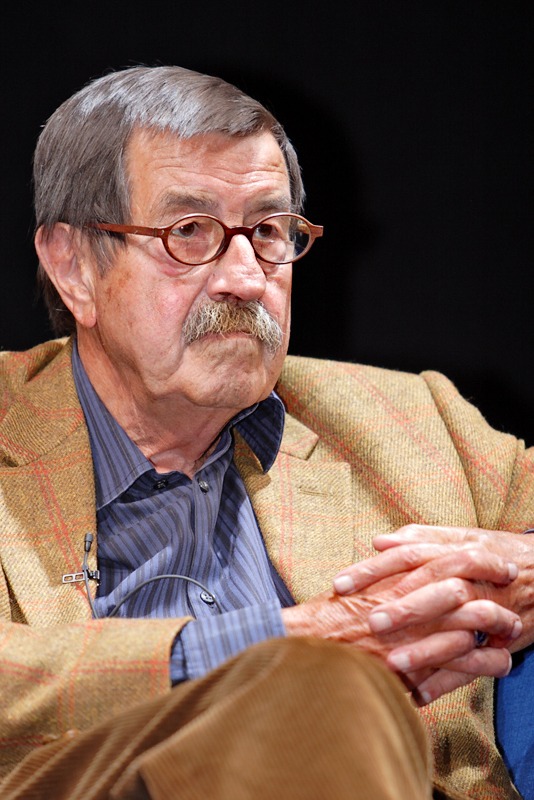
Günter Grass, born on October 16, 1927, in Danzig (now Gdańsk, Poland), is one of the most prominent figures in modern literature. Renowned for his profound narratives and innovative storytelling, Grass’s contributions to literature have left an indelible mark on the literary world. This article delves into the life and career of Günter Grass, examining his early years, significant works, and the impact he made on literature and culture.
Early Life and Education
Günter Grass was born into a working-class family in the Free City of Danzig, a semi-autonomous city-state established after World War I. His father, a merchant, and his mother, a homemaker, provided a modest but supportive environment for young Günter. His upbringing in a city rich in cultural and political history influenced his later works, which often reflect the complex history of Danzig and its tumultuous past.
During World War II, Grass, at the age of 15, attempted to enlist in the German navy. However, he was soon drafted into the Waffen-SS, the armed wing of the Nazi Party, a fact he later revealed with considerable remorse. Grass was captured by American forces in 1945 and spent time in a prisoner-of-war camp. After the war, he worked in a coal mine and learned sculpting, which he pursued for several years before deciding to focus on writing and graphic design.
Grass attended the Düsseldorf Art Academy and later the Berlin University of the Arts. His background in visual arts significantly influenced his literary style, often integrating his illustrations into his novels.
Literary Career
Günter Grass’s literary career took off with the publication of his debut novel, “The Tin Drum” (“Die Blechtrommel”) in 1959. This groundbreaking novel, which won the Nobel Prize for Literature in 1999, is considered a classic of post-war literature. “The Tin Drum” is notable for its experimental narrative style and its blend of historical and fantastical elements. The novel tells the story of Oskar Matzerath, a young boy who decides not to grow up and uses his tin drum to influence the world around him. The book’s innovative structure and its exploration of themes such as memory, trauma, and history made it a seminal work in modern literature.
Following the success of “The Tin Drum,” Grass continued to produce influential works. “Cat and Mouse” (“Katz und Maus”), published in 1961, is a continuation of the themes explored in “The Tin Drum,” focusing on the lives of its characters during and after World War II. “Dog Years” (“Hundejahre”), published in 1963, further explores the effects of historical trauma on individual lives, continuing Grass’s examination of German history and identity.
Grass’s engagement with political and social issues is evident in his subsequent works. “The Flounder” (“Der Butt”) (1977) is a satirical novel that critiques historical and contemporary societal norms through the story of a magical fish. “The Rat” (“Die Rättin”) (1986) addresses themes of ecological disaster and social decay. “My Century” (“Mein Jahrhundert”) (1999) is a collection of short stories that reflect on the events of the 20th century, showcasing Grass’s ability to weave historical reflection with narrative innovation.
Political and Social Engagement
In addition to his literary achievements, Günter Grass was an active participant in political and social issues. He was a member of the Social Democratic Party (SPD) and supported the party’s progressive policies. Grass was also involved in various peace and human rights initiatives. His political activism and involvement in social issues were integral to his public persona and often reflected in his writing.
Grass’s stance on the reunification of Germany was controversial. In the wake of the fall of the Berlin Wall, he expressed concern that a unified Germany might revert to its militaristic past. His views were part of his broader philosophical evolution, moving from a gradualist socialist approach to a more radical, direct-action stance inspired by the student movements of 1968.
Awards and Recognition
Günter Grass received numerous accolades throughout his career, reflecting the impact of his work on the literary world. Some of the most notable awards include:
- The Nobel Prize in Literature (1999): Awarded for his innovative and influential contributions to literature, particularly for “The Tin Drum.”
- The Georg Büchner Prize (1995): One of Germany’s most prestigious literary awards.
- The Grinzane Cavour Prize (1992): Recognizing his outstanding literary achievements.
These awards underscore the significance of Grass’s work and his influence on both German and international literature.
Later Years and Legacy
In the later years of his life, Günter Grass continued to write and engage in public discourse. His autobiography, “Peeling the Onion” (“Beim Häuten der Zwiebel”) (2006), stirred controversy for its candid revelations about his time in the Waffen-SS. The book was both praised for its honesty and criticized for its timing and content.
Grass’s death on April 13, 2015, in Lübeck, marked the end of a significant chapter in contemporary literature. His legacy lives on through his extensive body of work and his contributions to the cultural and political landscape. The Günter Grass Foundation in Bremen and the Günter Grass House Museum in Lübeck continue to preserve and celebrate his contributions to literature and art.
Notable Works and Their Impact
Günter Grass’s literary works are characterized by their innovative narrative techniques, social critique, and exploration of historical themes. His notable works include:
- “The Tin Drum” (1959): A seminal work in modern literature that combines magical realism with historical narrative.
- “Cat and Mouse” (1961): A continuation of the themes of “The Tin Drum,” exploring the effects of war on personal and societal levels.
- “Dog Years” (1963): A novel addressing the aftermath of war and the challenges of post-war identity.
- “The Flounder” (1977): A satirical critique of historical and contemporary societal issues.
- “The Rat” (1986): A novel dealing with themes of ecological and social decay.
- “My Century” (1999): A collection of stories reflecting on the events of the 20th century.
Grass’s works are studied for their unique narrative styles and their contributions to discussions of history, trauma, and identity. His impact on literature and culture is profound, and his innovative approach continues to inspire readers and writers around the world.
Conclusion
Günter Grass’s life and work embody a profound engagement with history, politics, and literature. His innovative storytelling, combined with his political activism and artistic vision, has cemented his place as one of the most influential writers of the 20th century. As readers and scholars continue to explore his works, Günter Grass’s legacy endures through his significant contributions to literature and his impact on cultural and political discourse.
His remarkable career and the controversies surrounding his life reflect the complexities of his persona and the depth of his creative vision. Günter Grass remains a key figure in modern literature, celebrated for his unique voice and his exploration of the human condition through the lens of historical and social critique.


