
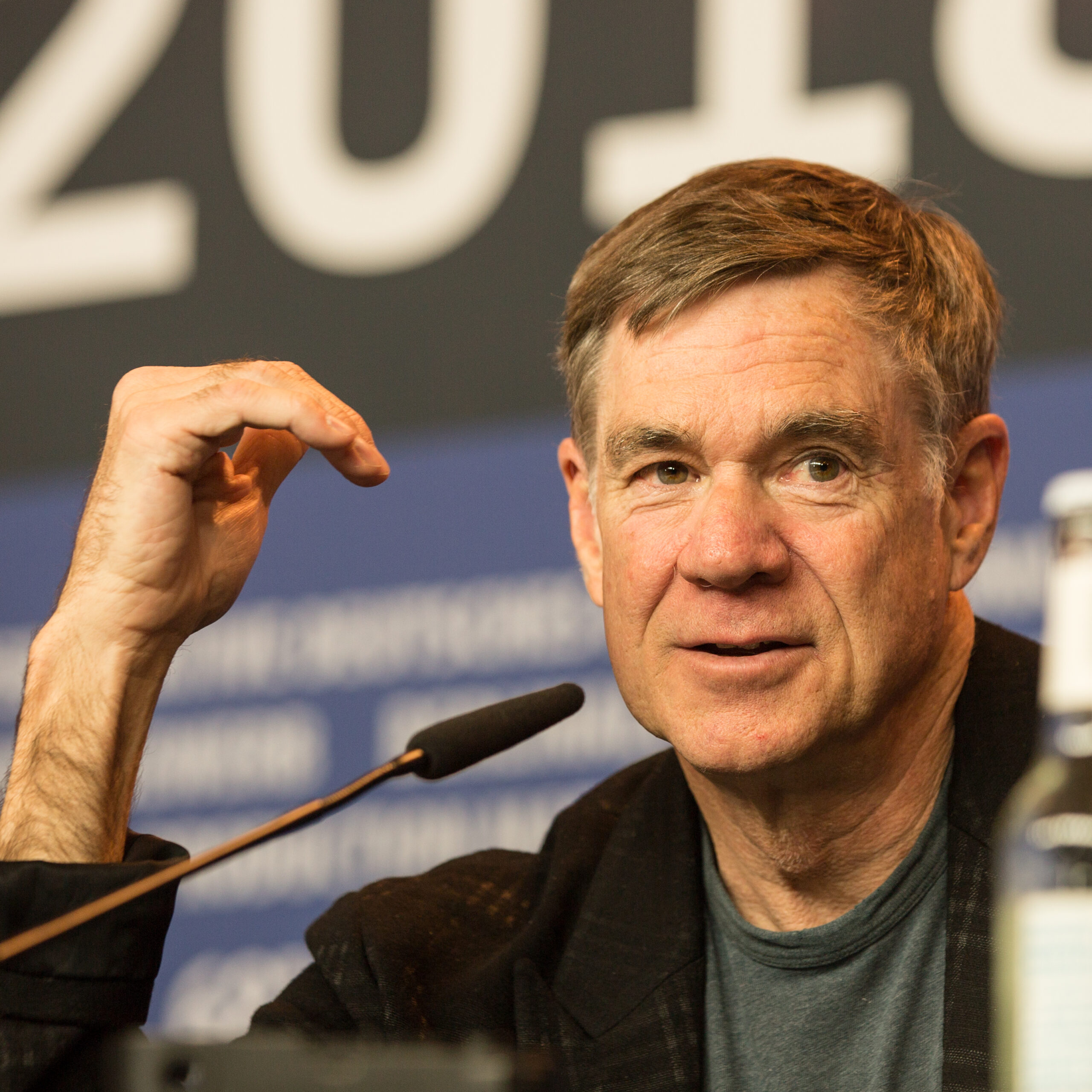
Gus Van Sant, born on July 24, 1952, in Louisville, Kentucky, is a critically acclaimed American filmmaker, screenwriter, painter, musician, and author. Renowned for his distinctive style and often controversial subject matter, Van Sant has become a defining figure in independent cinema and a prominent voice in the LGBTQ+ community. Over the decades, his films have challenged societal norms, explored the complexities of human relationships, and delved deep into the fringes of American life.
Early Life and Artistic Beginnings
Gus Van Sant was born into a family that moved frequently due to his father’s career as a traveling salesman. This nomadic lifestyle would later influence his cinematic work, characterized by themes of transience, rootlessness, and the search for identity. Van Sant’s early interest in the arts led him to pursue painting, but it was during his college years that he discovered his true passion for filmmaking.
He attended the Rhode Island School of Design, a hub of avant-garde and experimental art, where he developed an affinity for unconventional cinema. Influenced by the works of auteurs like Andy Warhol and the experimental films of the 1960s, Van Sant began making short films in Super 8 format, experimenting with narrative structure and visual storytelling. This period was crucial in shaping his approach to filmmaking, which often blurs the lines between mainstream and experimental cinema.
Breakthrough: “Mala Noche” and Early Success
Van Sant’s first significant success came with the release of Mala Noche in 1985, a film based on a semi-autobiographical novel by Walt Curtis. The film, made on a shoestring budget, tells the story of a love affair between a liquor store clerk and a Mexican immigrant. Mala Noche was celebrated for its raw, unfiltered depiction of gay romance and its exploration of marginalized communities, themes that would become central to much of Van Sant’s work.
The film’s success brought Van Sant critical acclaim and established him as a key figure in the burgeoning independent film scene of the 1980s. It also set the stage for his future explorations of characters living on the fringes of society, a recurring motif in his oeuvre.
Mainstream Recognition: “Drugstore Cowboy” and “My Own Private Idaho”
Van Sant’s entry into the mainstream came with the release of Drugstore Cowboy in 1989, a film that marked a turning point in his career. Starring Matt Dillon and featuring a memorable cameo by the iconic writer William S. Burroughs, the film follows a group of drug addicts as they rob pharmacies to fuel their habit. Drugstore Cowboy was lauded for its gritty realism, complex characters, and its unflinching portrayal of addiction.
Following this success, Van Sant directed My Own Private Idaho in 1991, a film that solidified his reputation as a filmmaker unafraid to tackle difficult and unconventional subjects. Starring River Phoenix and Keanu Reeves, My Own Private Idaho is a loose adaptation of Shakespeare’s Henry IV, set in the world of male prostitution in the Pacific Northwest. The film is celebrated for its poetic, dreamlike quality and its sensitive portrayal of marginalized individuals. River Phoenix’s performance as a narcoleptic street hustler searching for his estranged mother is often cited as one of the best of his career.
These films not only garnered critical acclaim but also resonated with audiences, establishing Van Sant as a filmmaker who could straddle the line between independent and mainstream cinema.
Experimentation and Artistic Growth
Throughout the 1990s, Van Sant continued to push the boundaries of filmmaking, both in terms of content and style. In 1993, he directed Even Cowgirls Get the Blues, based on the novel by Tom Robbins. The film, which starred Uma Thurman, was a critical and commercial failure, but it showcased Van Sant’s willingness to experiment and take risks, even at the expense of alienating audiences and critics.
Van Sant returned to form with To Die For (1995), a darkly comedic thriller starring Nicole Kidman as an ambitious, sociopathic woman willing to go to any lengths to achieve fame. The film, based on the real-life story of Pamela Smart, who was convicted of conspiring to murder her husband, was praised for its sharp satire of media culture and its strong performances, particularly Kidman’s.
In 1997, Van Sant achieved his greatest commercial success with Good Will Hunting. Written by and starring Matt Damon and Ben Affleck, the film tells the story of a working-class genius struggling with his inner demons. Good Will Hunting was a critical and commercial hit, earning nine Academy Award nominations and winning two, including Best Original Screenplay for Damon and Affleck and Best Supporting Actor for Robin Williams. The film’s success propelled Van Sant into the Hollywood A-list, but it also posed the challenge of balancing his independent roots with the demands of mainstream cinema.
A Return to Experimental Cinema: The “Death Trilogy”
In the early 2000s, Van Sant made a conscious decision to return to his independent roots, beginning with Gerry (2002), the first film in what would become known as his “Death Trilogy.” Gerry, Elephant (2003), and Last Days (2005) are linked thematically by their focus on death and existential despair.
Gerry, co-written by and starring Matt Damon and Casey Affleck, is a minimalist film that follows two men as they become lost in the desert. The film is notable for its long takes, sparse dialogue, and meditative pacing, marking a stark departure from Van Sant’s previous work.
Elephant, inspired by the 1999 Columbine High School massacre, is perhaps the most controversial of the trilogy. The film adopts a detached, observational style, following a day in the life of high school students leading up to a tragic shooting. Elephant won the Palme d’Or at the 2003 Cannes Film Festival, but it also sparked debate over its portrayal of violence and its refusal to provide clear answers or moral judgments.
Last Days (2005), the final film in the trilogy, is a fictionalized account of the last days of a rock star, loosely based on Kurt Cobain. Like the previous films, Last Days is characterized by its slow pace, minimal dialogue, and focus on atmosphere over plot. The film was polarizing, with some praising its artistry and others criticizing its lack of narrative drive.
Later Career and Legacy
Van Sant’s later career has been marked by a mix of mainstream projects and more personal, experimental films. In 2008, he directed Milk, a biographical drama about Harvey Milk, the first openly gay elected official in California. The film, starring Sean Penn, was a critical and commercial success, earning eight Academy Award nominations and winning two, including Best Actor for Penn and Best Original Screenplay for Dustin Lance Black.
Milk represented a return to more conventional storytelling for Van Sant, but it also reaffirmed his commitment to telling stories about marginalized individuals and social justice. The film’s success demonstrated Van Sant’s ability to navigate both the independent and mainstream film worlds while remaining true to his artistic vision.
In subsequent years, Van Sant has continued to explore diverse subject matter and experiment with different genres. His 2011 film Restless is a romantic drama about a terminally ill teenager, while The Sea of Trees (2015), starring Matthew McConaughey, is a meditative drama set in Japan’s Aokigahara Forest. Although these films received mixed reviews, they underscore Van Sant’s ongoing commitment to challenging cinematic conventions and exploring the human condition.
Personal Life and Cultural Impact
Gus Van Sant has long been an influential figure not just in cinema but also in the broader cultural landscape. As an openly gay filmmaker, he has been a pioneering voice in LGBTQ+ representation in film, and his work has provided a platform for stories that might otherwise have gone untold.
In addition to his filmmaking, Van Sant is also a painter, photographer, and musician. His visual art has been exhibited in galleries around the world, and he has released several music albums, further demonstrating his versatility and creative drive.
Van Sant’s influence extends beyond his own work; he has mentored and collaborated with numerous filmmakers, musicians, and artists. His willingness to experiment, take risks, and push boundaries has inspired a generation of independent filmmakers and continues to shape the landscape of contemporary cinema.
Conclusion
Gus Van Sant’s career is a testament to the power of independent cinema and the importance of artistic integrity. From his early days as a pioneer of the indie film scene to his success in Hollywood and his return to experimental filmmaking, Van Sant has remained true to his vision, consistently challenging both himself and his audience.
His films, whether celebrated or controversial, reflect a deep empathy for the marginalized and a keen interest in the human experience. As a filmmaker, artist, and cultural icon, Gus Van Sant’s impact on cinema and popular culture is undeniable, and his work will continue to inspire and provoke for years to come.


