
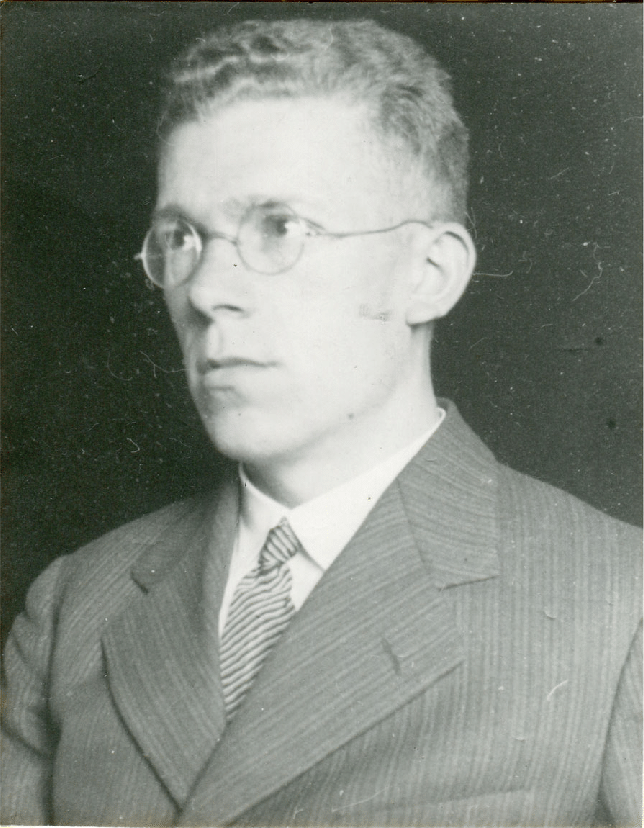
Hans Asperger, born on February 18, 1906, in Vienna, Austria, was a pioneering pediatrician whose name is synonymous with Asperger syndrome. This article explores Asperger’s life, his groundbreaking work on autism, and the historical context that shaped his contributions. Delving into his achievements and controversies, we aim to provide a comprehensive understanding of his legacy.
Early Life and Education
Hans Asperger grew up on a farm outside Vienna, leading a solitary childhood. He was known to be a shy and precocious child, showing an early proficiency in language. His reclusive nature and advanced verbal skills hinted at characteristics he would later associate with Asperger syndrome.
Asperger pursued his medical studies at the University of Vienna, graduating in 1931. The following year, he began working at the university’s pediatric hospital, where he directed the “Therapeutic Education Section.” This position allowed him to work closely with children, observing and documenting behaviors that would form the basis of his later research.
Discovering Asperger Syndrome
In the early 1930s, Asperger started to notice a group of children who exhibited peculiar social behaviors and intense interests in specific subjects. These observations led him to identify a condition he initially termed “autistic psychopathy.” His detailed descriptions of these children highlighted their lack of social skills and empathy, coupled with a strong ability to focus on specific topics.
In 1944, Asperger published his seminal work on this condition in his doctoral thesis, which provided a comprehensive analysis of the behaviors and cognitive patterns of these children. He noted that while they struggled with social interactions, they often displayed remarkable talents in certain areas, such as mathematics or music. Asperger’s work was groundbreaking, laying the foundation for what we now know as Asperger syndrome.
Personal Life and Career
Hans Asperger married in 1935 and had five children. His career was temporarily interrupted during World War II when he served as a military doctor in Croatia. After the war, he returned to Vienna and continued his work in pediatrics and autism research.
Asperger’s observations about autism were not widely recognized during his lifetime. It wasn’t until decades later, in 1981, that British psychiatrist Lorna Wing popularized his work. Wing coined the term “Asperger syndrome” to describe the condition he had studied, bringing it into the broader context of autism research.
Academic Achievements and Contributions
Asperger’s 1944 thesis on “autistic psychopathy” was a significant milestone in the understanding of autism. He described the condition as a developmental disorder characterized by difficulties in social interaction and nonverbal communication, alongside restricted and repetitive patterns of behavior and interests. Despite the initial lack of recognition, Asperger’s work eventually gained international acclaim.
In addition to his research on autism, Asperger held a professorship at the University of Vienna, where he influenced many students and researchers. In the late 1950s, he moved to Innsbruck, where he continued to teach and direct the SOS Children’s Village, an organization dedicated to the care of orphaned and abandoned children.
Asperger Syndrome and Autism Spectrum Disorders
Asperger’s identification of what is now known as Asperger syndrome was a significant contribution to the field of developmental psychology. Children with Asperger syndrome typically exhibit difficulties in social communication and interaction, alongside a narrow range of interests and activities. However, they often possess average or above-average intelligence and may develop intense expertise in specific areas.
In 1992, the World Health Organization included Asperger syndrome in its International Classification of Diseases (ICD). Later, the American Psychiatric Association incorporated it into the Diagnostic and Statistical Manual of Mental Disorders (DSM-5) as part of the broader category of autism spectrum disorders (ASD) in 2013. This recognition has helped to increase awareness and understanding of the condition, leading to better support and resources for those affected.
Controversies and Historical Context
While Asperger’s contributions to autism research are undeniable, his legacy is not without controversy. During the Nazi occupation of Austria, the regime implemented an euthanasia program targeting individuals with disabilities. This dark chapter in history has led to scrutiny of Asperger’s actions and affiliations during this period.
Recent historical research has suggested that Asperger may have collaborated with the Nazi regime, potentially referring children deemed “genetically inferior” to the Am Spiegelgrund clinic in Vienna. This facility was notorious for its role in the euthanasia program, where numerous children perished. These revelations have cast a shadow over Asperger’s legacy, prompting a re-evaluation of his contributions within the broader historical context.
Legacy and Impact
Despite the controversies, Hans Asperger’s work has had a profound impact on the field of autism research and the understanding of developmental disorders. His detailed observations and descriptions provided a framework that has been instrumental in diagnosing and supporting individuals with Asperger syndrome and related conditions.
The term “Asperger syndrome” has become widely recognized, and his insights continue to influence contemporary research and clinical practice. His work highlighted the diversity of the autism spectrum, emphasizing that individuals with autism can have unique strengths and talents.
Conclusion
Hans Asperger’s life and work represent a complex legacy, marked by groundbreaking contributions to the understanding of autism and overshadowed by ethical controversies. His identification of Asperger syndrome has provided a crucial framework for recognizing and supporting individuals with this condition. However, the historical context of his work during the Nazi regime requires a nuanced examination of his actions and affiliations.
As we continue to build on Asperger’s insights, it is essential to acknowledge both his contributions and the ethical considerations surrounding his legacy. By doing so, we can honor the progress made in autism research while remaining vigilant about the moral implications of scientific work.


