
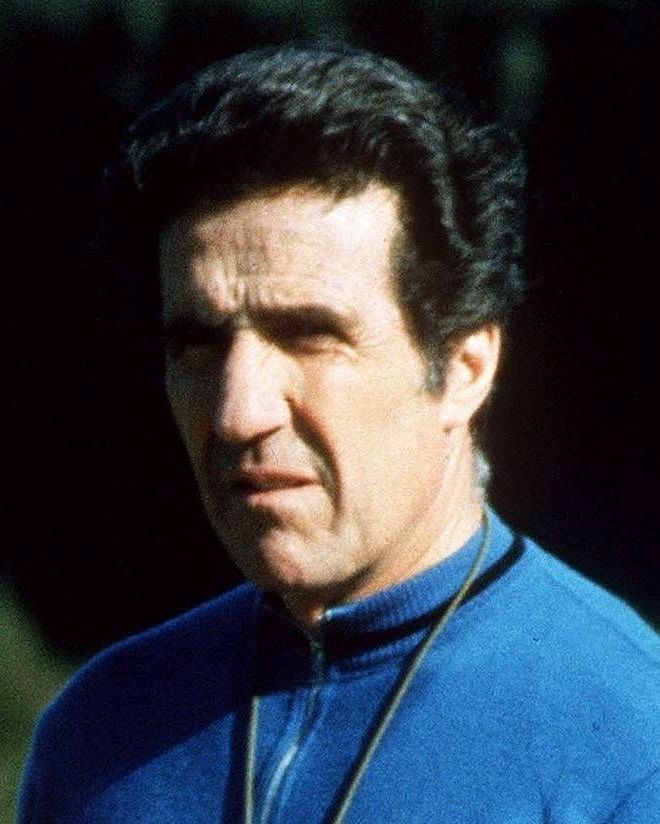
Helenio Herrera, a name synonymous with football brilliance, was born on April 10, 1910, in Buenos Aires, Argentina. Known for his revolutionary tactics and psychological approach to the game, Herrera’s influence on football, particularly in Europe, is profound and enduring. His life story, a blend of determination, innovation, and controversy, offers a fascinating glimpse into the evolution of modern football.
Early Life and Challenges
Born to Andalusian immigrants in Buenos Aires, Herrera’s early life was anything but easy. His father, Paco Herrera, was a humble carpenter with limited resources. At the tender age of eight, Helenio moved with his family to Casablanca, Morocco. The relocation marked the beginning of a journey that would eventually lead Herrera to the pinnacles of football greatness.
In Casablanca, young Helenio was introduced to the harsh realities of life. Encouraged by French soldiers, he took up boxing, a sport that, while brutal, taught him the importance of discipline, strategy, and the desire to win. It was during these early years that Herrera began to taste the allure of fame and victory, experiences that would shape his future career.
The Early Football Years
Football soon became Herrera’s passion, and he started playing for a local team, Roca Negra. His talent did not go unnoticed, and by 1931, he had joined Racing Club of Casablanca. His football career in Morocco allowed him to secure dual citizenship and eventually led to his selection for the Moroccan national team.
Herrera’s skills on the pitch, combined with his determination, earned him a place in the North African representative team that played against France. This exposure paved the way for his move to Europe, where he joined Club Français in Paris. His journey in France saw him play for several clubs, including Olympique de Charleville, Excelsior de Roubaix-Tourcoing, and Red Star. While Herrera was a competent player, it was his understanding of the game and his ability to lead that hinted at his future as a football manager.
Transition to Coaching
By the mid-1940s, Herrera had begun to transition from player to coach. His first significant coaching role came in Spain with Real Valladolid, where he successfully saved the team from relegation. His next major achievement was with Atlético Madrid, where he won the Spanish league title in the 1949-1950 season. Another title followed soon after, establishing Herrera as a coach with a winning mentality.
However, Herrera’s career was not without its challenges. His time at Sevilla, while initially successful, ended abruptly after the death of the club’s president. The ensuing disagreements with the club’s management led to Herrera’s departure, a move that saw him banned by the Spanish Football Federation for breaching his contract. Yet, this setback did little to diminish his rising reputation.
The Barcelona Years and Rise to Fame
In 1958, Herrera took over at FC Barcelona, marking the beginning of what many consider his golden era. Under his leadership, Barcelona won two La Liga titles, a Copa del Generalísimo (now Copa del Rey), and two Inter-Cities Fairs Cups, the precursor to the UEFA Cup. His success at Barcelona caught the attention of Angelo Moratti, the president of Inter Milan, who saw in Herrera the man who could bring European glory to the Italian club.
The “Grande Inter” Era
Helenio Herrera’s move to Inter Milan in 1960 marked the start of one of the most successful periods in the club’s history. His coaching philosophy, centered on a solid defense and quick counter-attacks, became the hallmark of the “Grande Inter.” Herrera was known for his motivational techniques, often posting inspirational messages in the locker room to encourage his players to give their best on the field.
Despite initial struggles, including allegations of doping and a string of poor results, Herrera persevered. The 1962-1963 season was a turning point, largely due to the emergence of Sandro Mazzola, a young and dynamic player who brought a new energy to the team. Under Herrera’s guidance, Inter Milan won three Serie A titles, two European Cups, and two Intercontinental Cups during the 1960s.
Controversies and Criticisms
While Herrera’s achievements are undeniable, his career was not without controversy. Accusations of doping surfaced years after his tenure at Inter, with former players alleging that Herrera had encouraged the use of performance-enhancing substances. These claims were brought to light by Ferruccio Mazzola, brother of Sandro Mazzola, who detailed the alleged abuses in his book “Il terzo incomodo.” The accusations sparked debate and legal battles, but Herrera’s legacy remained largely intact, though somewhat tainted by these allegations.
Another tragic incident linked to Herrera was the death of Giuliano Taccola, a young Roma player who died suddenly during Herrera’s first season with the club. The circumstances surrounding Taccola’s death remain unclear, but it added to the aura of controversy that followed Herrera throughout his career.
Later Years and Legacy
After leaving Inter Milan, Herrera continued to coach, taking the helm at AS Roma in 1968. Despite high expectations, his time at Roma was less successful, with the team achieving only modest results. However, Herrera did lead Roma to a Coppa Italia victory and an Anglo-Italian Cup win, adding to his collection of trophies.
In the late 1970s, Herrera returned to Spain to coach Barcelona once again, leading them to a Copa del Rey victory in 1981. This triumph marked the end of his coaching career, as Herrera retired soon after, dedicating his later years to commentary and analysis of football matches.
Helenio Herrera passed away on November 9, 1997, in Venice, Italy, leaving behind a legacy as one of the most influential and innovative football managers of all time. His contributions to the game, particularly in the development of defensive tactics and player psychology, continue to be studied and admired by coaches and football enthusiasts around the world.
Historical Context and Impact
Herrera’s career spanned several decades of profound change in football. He witnessed and contributed to the evolution of the game from a primarily offensive sport to one where tactics and strategy played a central role. His introduction of the “catenaccio” system, characterized by a strong defensive line and swift counter-attacks, revolutionized football tactics and set the standard for future generations.
Beyond tactics, Herrera’s emphasis on mental toughness, discipline, and team unity reshaped how football teams were managed. He was among the first coaches to recognize the importance of psychological preparation, using motivational techniques that are now common practice in sports management.
Conclusion
Helenio Herrera’s life and career are a testament to the power of innovation, resilience, and the relentless pursuit of excellence. From his humble beginnings in Buenos Aires and Casablanca to the heights of European football, Herrera’s journey is one of the most compelling stories in the history of the sport. His legacy lives on, not only in the trophies he won but in the lasting impact he had on football tactics, team management, and the way the game is played today.


