
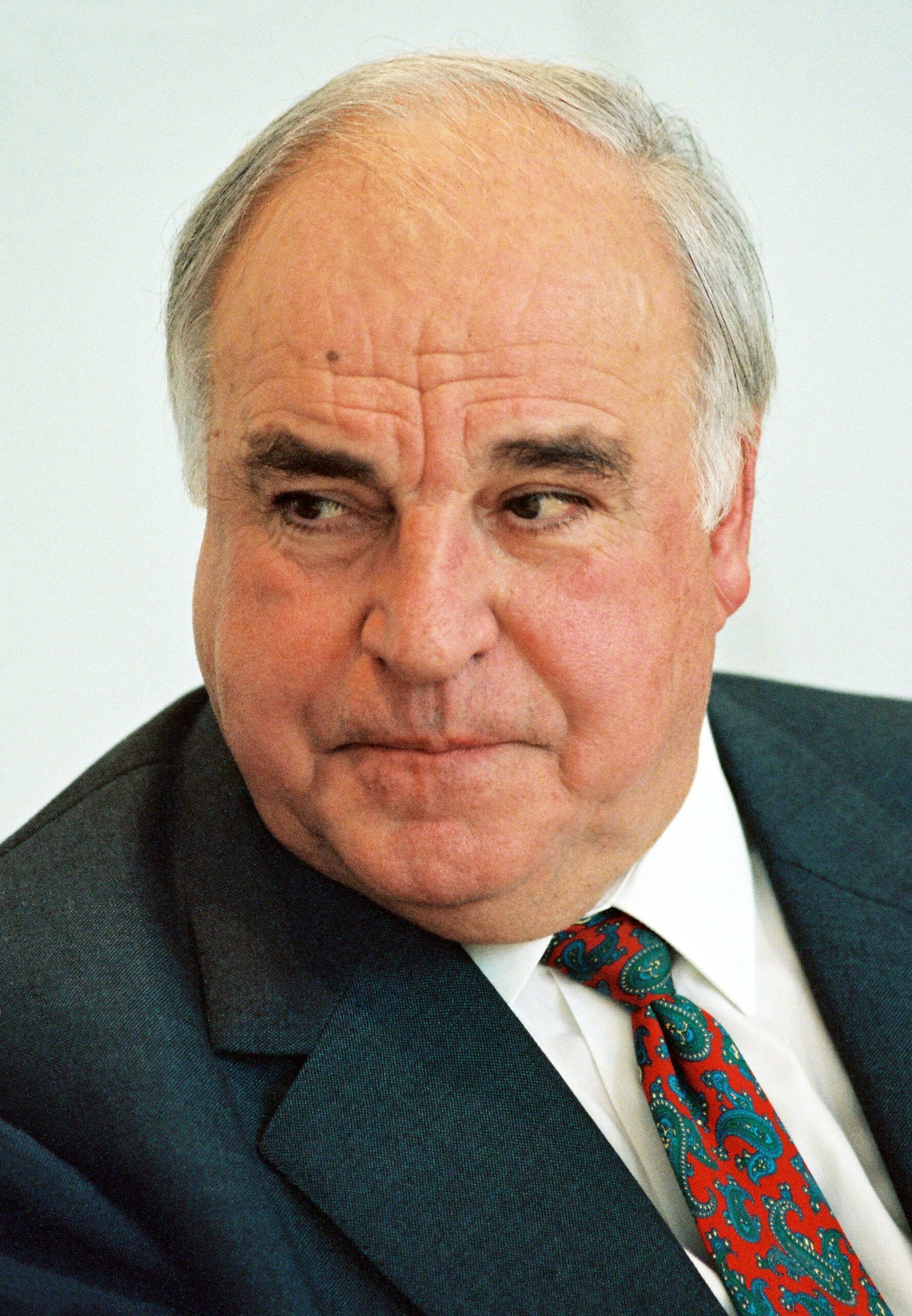
Helmut Kohl is a name that resonates with a pivotal chapter in European history. Born on April 3, 1930, in Ludwigshafen, Germany, Kohl emerged as one of the most significant political figures of the 20th century. He is best known for his role in the reunification of Germany and his leadership in the establishment of the European Monetary Union, which laid the groundwork for the euro. This article will explore the life, fame, and key moments that defined Helmut Kohl’s legacy, providing detailed insights into his contributions to world history and the nuances of his political career.
Early Life and Influences
Helmut Kohl was born into a conservative Catholic family in the Palatinate region of Germany. His father was a finance officer, and his mother was a teacher, both of whom instilled in him strong values and a sense of duty. Growing up during the tumultuous years leading up to and following World War II, Kohl’s early life was shaped by the challenges and upheavals of the era.
During the war, Kohl, like many of his peers, underwent military training, but the conflict ended before he was sent to the front lines. This early brush with the realities of war had a profound impact on his worldview, fostering a deep commitment to peace and stability in Europe.
Kohl’s passion for politics was evident from a young age. In 1947, as a teenager, he joined the youth wing of the Christian Democratic Union (CDU) in his hometown. This early involvement in politics marked the beginning of a lifelong dedication to public service. Kohl pursued higher education at the University of Frankfurt, where he studied political science, history, and law. He later earned a doctorate from Heidelberg University in 1958, further solidifying his academic credentials.
The Rise of a Political Giant
Kohl’s political career took off quickly. By 1959, he was elected to the regional parliament of Rhineland-Palatinate, and by 1969, he became the Minister-President of the state. Kohl’s reputation as an effective administrator and a pragmatic leader grew rapidly, and his ascent within the CDU was equally swift. In 1972, following the party’s electoral defeat, Kohl took over as the national chairman of the CDU, positioning himself as a key figure in West German politics.
Despite his rapid rise, Kohl faced significant challenges. In the 1976 federal elections, he led the CDU to a narrow defeat, but this setback did not deter him. Kohl’s perseverance paid off in 1982 when he became Chancellor of West Germany, a position he would hold for an unprecedented 16 years.
A Chancellor for the Ages
Helmut Kohl’s tenure as Chancellor is most famously marked by his role in the reunification of Germany. Following the fall of the Berlin Wall in 1989, Kohl seized the opportunity to unify East and West Germany. His leadership during this period was crucial in navigating the complex political, economic, and social challenges that came with reunification.
In May 1990, Kohl successfully negotiated the Treaty on the Final Settlement with Respect to Germany, which paved the way for the reunification of the two German states. The official unification took place on October 3, 1990, a momentous event that marked the culmination of Kohl’s efforts and solidified his place in history as the “Chancellor of Unity.”
Kohl’s approach to reunification was pragmatic and inclusive. He advocated for the economic and monetary integration of East Germany into the Federal Republic, ensuring that the transition was as smooth as possible. His efforts were instrumental in bringing about the peaceful reunification of Germany, a feat that many had deemed impossible just a few years earlier.
European Vision and Legacy
Beyond German reunification, Helmut Kohl was a staunch advocate for European integration. He believed that a united Europe was essential for maintaining peace and stability on the continent. Kohl’s vision for Europe extended beyond national borders, and he played a key role in the creation of the European Union and the introduction of the euro as a common currency.
Kohl’s commitment to European integration was driven by his belief that cooperation and unity among European nations were the best ways to prevent the horrors of war that had plagued the continent in the first half of the 20th century. His efforts culminated in the Maastricht Treaty of 1992, which established the European Union and set the stage for the creation of the euro.
Kohl’s leadership during this period was characterized by his ability to build consensus among the diverse member states of the European Community. He worked closely with other European leaders, such as France’s François Mitterrand, to advance the cause of European unity. Kohl’s role in the creation of the European Union and the introduction of the euro earned him the nickname “Architect of the European Union.”
Challenges and Controversies
Despite his many achievements, Helmut Kohl’s career was not without controversy. His later years in office were marred by allegations of corruption and the illegal financing of the CDU. These scandals cast a shadow over his legacy, leading to his resignation as honorary chairman of the CDU in 2000.
The funding scandal revolved around secret donations to the CDU that were not properly disclosed, as required by German law. Kohl admitted to accepting these donations but refused to reveal the names of the donors, citing a promise of confidentiality. This stance led to significant criticism and damaged his reputation, both within Germany and internationally.
In addition to the political scandals, Kohl’s personal life was also marked by tragedy. His wife, Hannelore Kohl, whom he had married in 1960, took her own life in 2001 after suffering from a rare medical condition that made her extremely sensitive to light. This personal loss deeply affected Kohl, and he withdrew from public life in the years that followed.
A Lasting Legacy
Despite the controversies and personal tragedies, Helmut Kohl’s legacy as a unifying figure and a visionary leader remains intact. His contributions to German reunification and European integration have left an indelible mark on history. Kohl’s vision of a united Germany within a united Europe continues to resonate, and his achievements are celebrated as milestones in the post-war history of Europe.
Kohl passed away on June 16, 2017, at the age of 87. His death marked the end of an era, but his legacy lives on. In recognition of his contributions to Europe, Kohl was honored with a European state ceremony, the first of its kind, held in Strasbourg, France. This ceremony underscored the profound impact Kohl had on the continent and highlighted his role as a statesman of global significance.
Conclusion
Helmut Kohl was more than just a politician; he was a statesman who shaped the course of European history. His leadership during the reunification of Germany and his role in the creation of the European Union are testaments to his vision, determination, and skill as a leader. Despite the challenges and controversies he faced, Kohl’s contributions to Germany and Europe have left a lasting legacy that will be remembered for generations to come.
As we reflect on Kohl’s life and career, it is clear that his impact extends far beyond the borders of Germany. He was a true European statesman, whose vision for a united and peaceful Europe continues to inspire leaders and citizens alike. Helmut Kohl’s life was a testament to the power of perseverance, the importance of unity, and the enduring value of peace and cooperation in a world that is all too often divided by conflict.


