
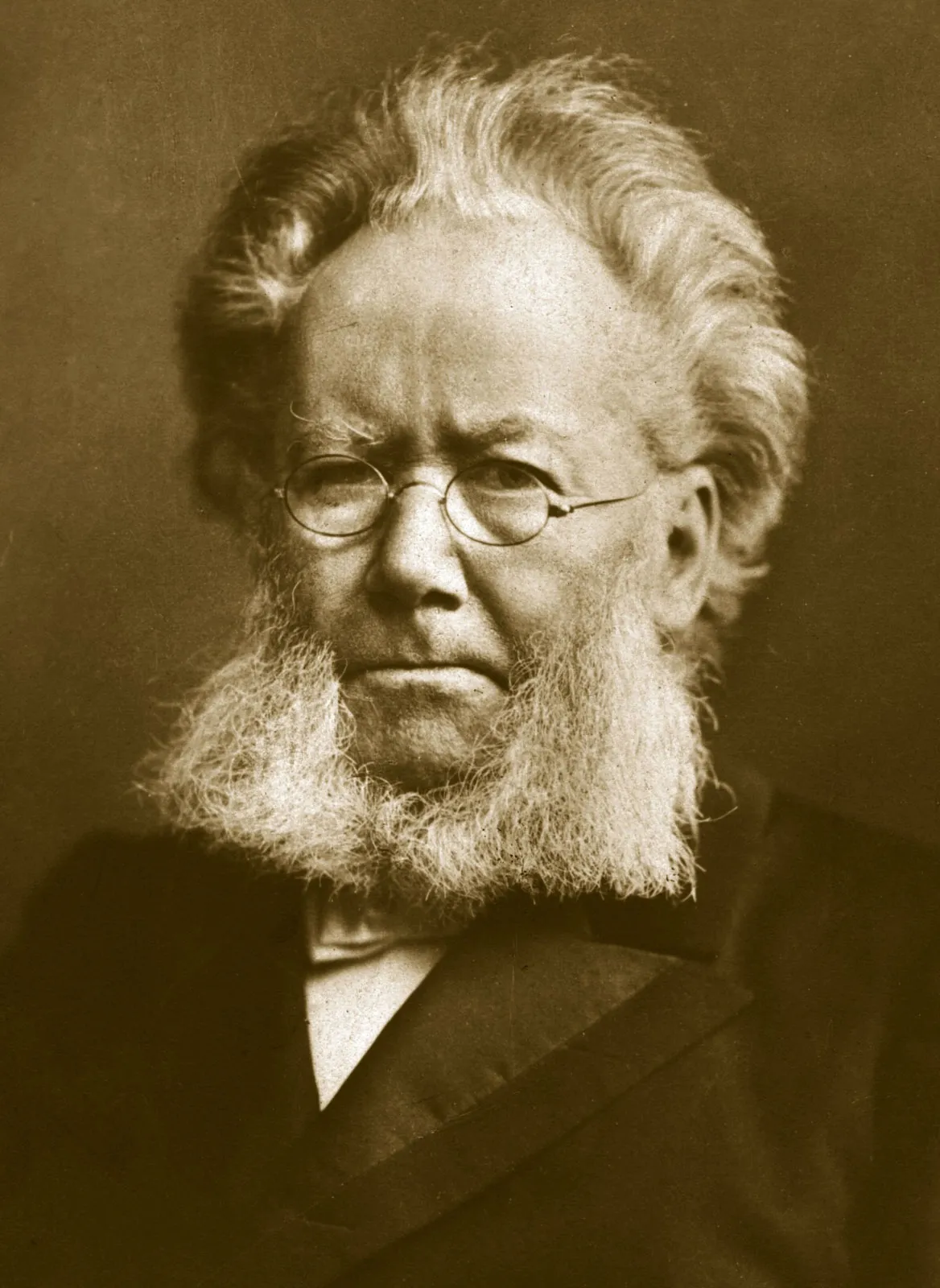
Henrik Ibsen, a towering figure in the world of drama, remains a pivotal force in the landscape of literature and theatre. Known for his profound contributions to modern drama and his exploration of societal issues, Ibsen’s legacy endures as a symbol of literary innovation and social critique. This detailed exploration delves into Ibsen’s age, rise to fame, and significant milestones, offering insights into his life, works, and enduring influence on the world of theatre.
Early Life and Background
Henrik Ibsen was born on March 20, 1828, in Skien, Norway, a small coastal town that would later feature prominently in his works. Ibsen’s early years were marked by economic hardship. His father, Knud Ibsen, was a merchant whose business failures led to financial instability for the family. This period of struggle profoundly influenced Ibsen’s worldview and creative output.
Despite these challenges, Ibsen demonstrated an early aptitude for writing and the arts. At the age of 15, he left school to work as an apprentice to an apothecary, a position that allowed him to cultivate his literary interests. This period was crucial in shaping his future career, providing him with both material and emotional experiences that would later permeate his plays.
Early Career and Influences
Ibsen’s initial forays into theatre were marked by a series of plays that, while not immediately successful, laid the groundwork for his later achievements. His early works, including “Catiline” (1850) and “The Burial Mound” (1850), were heavily influenced by the romantic and historical drama traditions of the time. These plays, though not widely recognized, were instrumental in developing Ibsen’s distinctive voice and thematic concerns.
During this formative period, Ibsen was influenced by a variety of literary and philosophical movements. The works of William Shakespeare and the ideas of the Romantic movement profoundly impacted his approach to drama, leading him to explore complex characters and societal issues. Ibsen’s early exposure to European literature and political thought played a crucial role in shaping his dramatic style and thematic focus.
Rise to Fame
Henrik Ibsen’s breakthrough came with the play “A Doll’s House” (1879), which established him as a leading figure in modern drama. The play’s controversial depiction of marital dynamics and gender roles challenged societal norms and received both acclaim and criticism. It marked a significant shift in Ibsen’s writing, moving from historical and romantic drama to a focus on contemporary social issues.
“A Doll’s House” introduced audiences to Ibsen’s innovative approach to character development and social commentary. The play’s protagonist, Nora Helmer, becomes one of the most memorable and debated characters in literary history, symbolizing the struggle for self-identity and autonomy in a repressive society. The play’s impact was immediate, influencing not only theatre but also broader discussions about gender equality and personal freedom.
Following the success of “A Doll’s House”, Ibsen continued to explore themes of social reform and individual agency in his subsequent works. Plays such as “Ghosts” (1881) and “An Enemy of the People” (1882) further solidified his reputation as a playwright who fearlessly tackled controversial issues. “Ghosts” addressed themes of morality and disease, while “An Enemy of the People” critiqued the corrupting influence of public opinion on scientific integrity.
Major Works and Contributions
Ibsen’s oeuvre includes a diverse array of plays that span various genres and themes. His work is characterized by its psychological depth, social critique, and innovative use of dramatic structure. Some of his most significant works include:
- “Hedda Gabler” (1890): This play features one of Ibsen’s most complex female protagonists, Hedda Gabler, whose manipulative behavior and existential despair reflect the constraints imposed on women by societal expectations.
- “The Master Builder” (1892): A play that explores themes of ambition, isolation, and the pursuit of artistic vision, showcasing Ibsen’s continued exploration of psychological and existential themes.
- “When We Dead Awaken” (1899): Ibsen’s final play, which reflects on the nature of artistic creation and the struggle for personal fulfillment.
Each of these works highlights Ibsen’s commitment to exploring the human condition and challenging societal norms. His innovative use of character and dialogue has had a lasting impact on the development of modern drama.
Legacy and Influence
Henrik Ibsen’s influence on literature and theatre extends far beyond his lifetime. His plays are studied and performed worldwide, and his innovative approach to drama has inspired countless playwrights and directors. Ibsen’s exploration of social issues, psychological complexity, and character development has left an indelible mark on the world of theatre.
The term “Ibsenite” has been coined to describe the distinctive features of his work, including his focus on societal issues, psychological realism, and character-driven narratives. His plays continue to be relevant today, addressing timeless themes of individualism, morality, and social justice.
Ibsen’s impact is evident in the way his work has influenced both contemporary theatre and broader cultural discussions. His plays have been adapted into various media, including film and television, and continue to resonate with audiences around the world.
Historical Context and Nuances
Henrik Ibsen’s work must be understood within the historical and cultural context of 19th-century Europe. His plays emerged during a period of significant social and political change, including the rise of feminist movements and the questioning of traditional authority structures.
Ibsen’s focus on individual freedom and social reform reflects the broader intellectual currents of the time, including the influence of existentialism and the critique of bourgeois society. His work challenged the conventions of Victorian drama and laid the groundwork for the modernist movement in literature and theatre.
Understanding Ibsen’s contributions requires an appreciation of his role in shaping modern drama and his impact on subsequent generations of playwrights. His ability to blend social critique with compelling narratives has made his work a cornerstone of literary and theatrical studies.
Personal Life and Influences
Henrik Ibsen’s personal life was marked by both triumphs and challenges. He spent much of his later years in self-imposed exile, living in various European cities, including Rome, Munich, and Paris. This period of exile allowed Ibsen to work with greater freedom, away from the constraints of Norwegian society.
Ibsen’s relationships with his family and contemporaries also played a role in shaping his work. His marriage to Suzannah Thoresen was a source of support, and their partnership provided stability during his early career. Ibsen’s interactions with other European intellectuals and artists enriched his understanding of contemporary issues and contributed to the development of his dramatic style.
Conclusion
Henrik Ibsen’s life and work represent a significant chapter in the history of drama and literature. His innovative approach to theatre, combined with his exploration of complex social and psychological themes, has left a lasting legacy that continues to influence and inspire. From his early struggles to his rise as a leading playwright, Ibsen’s journey reflects the power of creativity and the enduring impact of challenging societal norms.
As we reflect on Henrik Ibsen’s contributions to literature and theatre, it becomes clear that his work remains as relevant today as it was in his own time. His plays continue to resonate with audiences and provide valuable insights into the human condition, ensuring that his legacy endures for generations to come.
SEO and Keywords
To ensure the article ranks well and adheres to SEO best practices, integrate relevant keywords throughout the text. Here are some keywords and phrases to include:
- Henrik Ibsen biography
- Modern drama playwright
- Ibsen’s major works
- A Doll’s House analysis
- Henrik Ibsen legacy
- Norwegian playwright Henrik Ibsen
- Influence of Henrik Ibsen
- Ibsen’s contribution to theatre


