
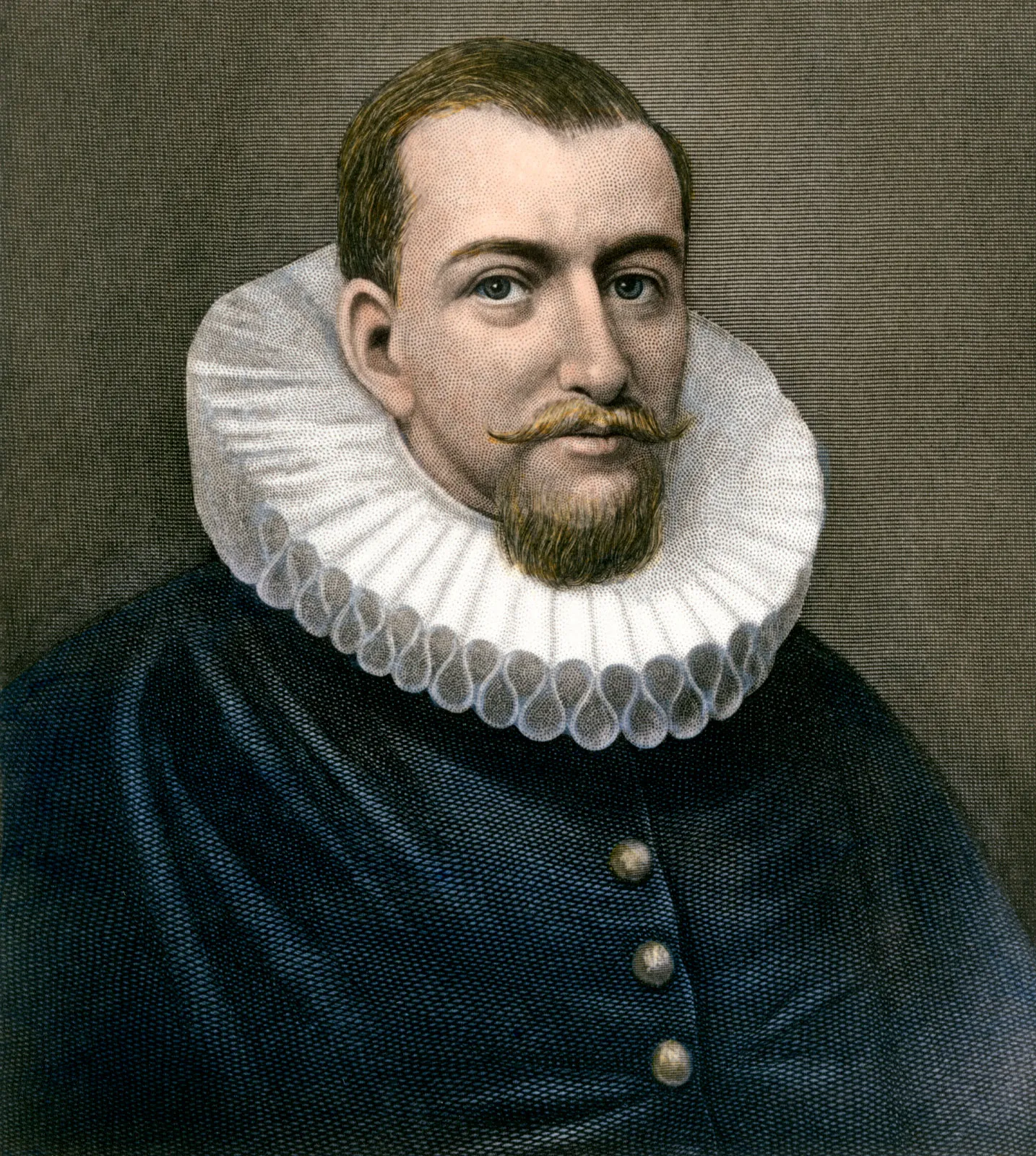
Henry Hudson stands as one of the most enigmatic and consequential explorers of the early 17th century. Born on September 12, 1570, in England, Hudson’s life was marked by daring expeditions and relentless pursuit of uncharted territories, particularly in the frozen and treacherous waters of the Arctic and North America. His contributions to geographic discovery, despite the perilous nature of his journeys, cemented his place in history. This article delves into the life, age, fame, and major highlights of Henry Hudson’s life, offering insights into the historical context and the lasting impact of his explorations.
Early Life and the Beginnings of Exploration
Henry Hudson was born into an England that was rapidly expanding its maritime ambitions. The late 16th century was a time of great naval exploration, as European powers vied for dominance over new trade routes and territories. Details about Hudson’s early life remain sparse, but it’s believed that he received maritime training that would later serve him well in his explorations.
In 1607, Hudson embarked on his first major voyage aboard the ship Hopewell, under the patronage of the Muscovy Company. The objective of this expedition was ambitious: to find a northwest passage to Asia through the Arctic. The search for this elusive route was driven by the desire to establish a shorter and more efficient trade link between Europe and the lucrative markets of Asia.
The Quest for the Northwest Passage
Hudson’s initial voyage in 1607 took him to the frigid waters near Greenland. He ventured further north, charting and documenting the regions he encountered. His exploration reached the Svalbard archipelago, where he came within 580 miles of the North Pole. However, the relentless Arctic ice forced Hudson to abandon his attempt and return to England.
Undeterred by the failure of his first expedition, Hudson embarked on a second voyage in 1608. This time, he aimed to find a passage through the northeast, along the coast of Norway. Yet again, the harsh realities of the Arctic ice halted his progress. Hudson reached the Novaya Zemlya, a remote archipelago in the Arctic Ocean, but was unable to advance further. The Muscovy Company, disappointed by the lack of success, decided to cease funding further expeditions.
Despite these setbacks, Hudson’s determination to find a passage to Asia did not wane. His tenacity caught the attention of the Dutch East India Company, which was keen on finding a shortcut to the East. In 1609, they provided Hudson with a ship, the Halve Maen (Half Moon), for yet another attempt at finding the elusive northern passage.
The Discovery of the Hudson River
The journey on the Halve Maen marked a significant turn in Hudson’s career. Initially, he set out once again to navigate the Arctic waters, but the conditions proved insurmountable. Hudson then made a bold decision: instead of returning home, he sailed westward across the Atlantic. This course of action led him to the coast of North America.
Hudson explored the coastline, traveling south from the area of modern-day Maine to Cape Cod and eventually reaching the area that is now Manhattan. It was during this expedition that he sailed up a large river, which would later be named the Hudson River in his honor. Although Giovanni da Verrazzano had explored this region earlier in 1524, Hudson’s detailed descriptions and maps significantly enhanced European knowledge of the area.
Hudson named the nearby island “Staaten Eylandt” (now Staten Island) to honor the States General of the Netherlands. This voyage established Hudson as one of the foremost European explorers of North America, paving the way for future Dutch colonization of the region, including the establishment of New Amsterdam, which would later become New York City.
Arrest and Final Voyage
Hudson’s return to England in 1609 was not without controversy. Upon his arrival in Dartmouth, he was arrested for sailing under the Dutch flag—a violation of England’s Navigation Acts. Although he was soon released, this incident highlighted the growing tensions between European powers over control of the New World and its trade routes.
In 1610, Hudson embarked on what would become his final voyage, this time under the English flag. The expedition was financed by the British East India Company and the Virginia Company. Hudson set sail on the Discovery, heading towards the Arctic once more in search of the Northwest Passage.
The Discovery reached Iceland in May and continued to the southern coast of Greenland by June. Hudson’s journey took him into the Hudson Strait, which led him into what is now known as Hudson Bay. For months, Hudson and his crew navigated the vast bay, convinced they were on the verge of discovering the passage to Asia.
The Tragic End
As winter set in, the Discovery became trapped in the ice of James Bay, a southern extension of Hudson Bay. The crew, already weary and disillusioned by the harsh conditions, were forced to spend the winter ashore. Tensions ran high as supplies dwindled and the men faced the relentless cold.
By the time spring arrived and the ice began to thaw, Hudson was eager to continue the search for the passage. However, his crew had reached their breaking point. On June 22, 1611, a mutiny broke out. The mutineers seized Hudson, his teenage son, and seven loyal crew members, setting them adrift in a small open boat. Hudson was never seen again, and his ultimate fate remains one of the great mysteries of maritime history.
Legacy and Historical Significance
Henry Hudson’s legacy is complex and multifaceted. His explorations significantly expanded European knowledge of the Arctic and North American regions. Although he never found the Northwest Passage he sought so fervently, his voyages laid the groundwork for future explorations and colonization.
The Hudson River, Hudson Strait, and Hudson Bay all bear his name, serving as enduring reminders of his contributions to geography and exploration. Hudson’s voyages also played a pivotal role in the establishment of Dutch claims in North America, leading to the founding of New Netherland, a colony that would eventually become a part of the United States.
From a broader historical perspective, Hudson’s explorations were emblematic of the Age of Discovery, a period marked by European powers expanding their influence across the globe. His relentless pursuit of new trade routes reflects the economic motivations driving much of the exploration during this era. Hudson’s life and career also underscore the dangers and uncertainties faced by explorers in their quest to chart the unknown.
Conclusion
Henry Hudson remains a figure of intrigue and importance in the annals of exploration. His life was characterized by bold ambition, a relentless quest for discovery, and ultimately, tragedy. Despite the uncertainties surrounding his final days, Hudson’s contributions to the mapping of the Arctic and North American regions are undeniable. His name, immortalized in geographic features across the continent, continues to evoke the spirit of exploration and the enduring human desire to push the boundaries of the known world.
As we reflect on Hudson’s life and legacy, it is clear that his story is not just one of personal ambition and exploration but also a chapter in the larger narrative of European expansion and the complex history of the New World. Hudson’s explorations may have ended in tragedy, but his impact on history is profound, leaving a lasting imprint on the world as we know it today.


