
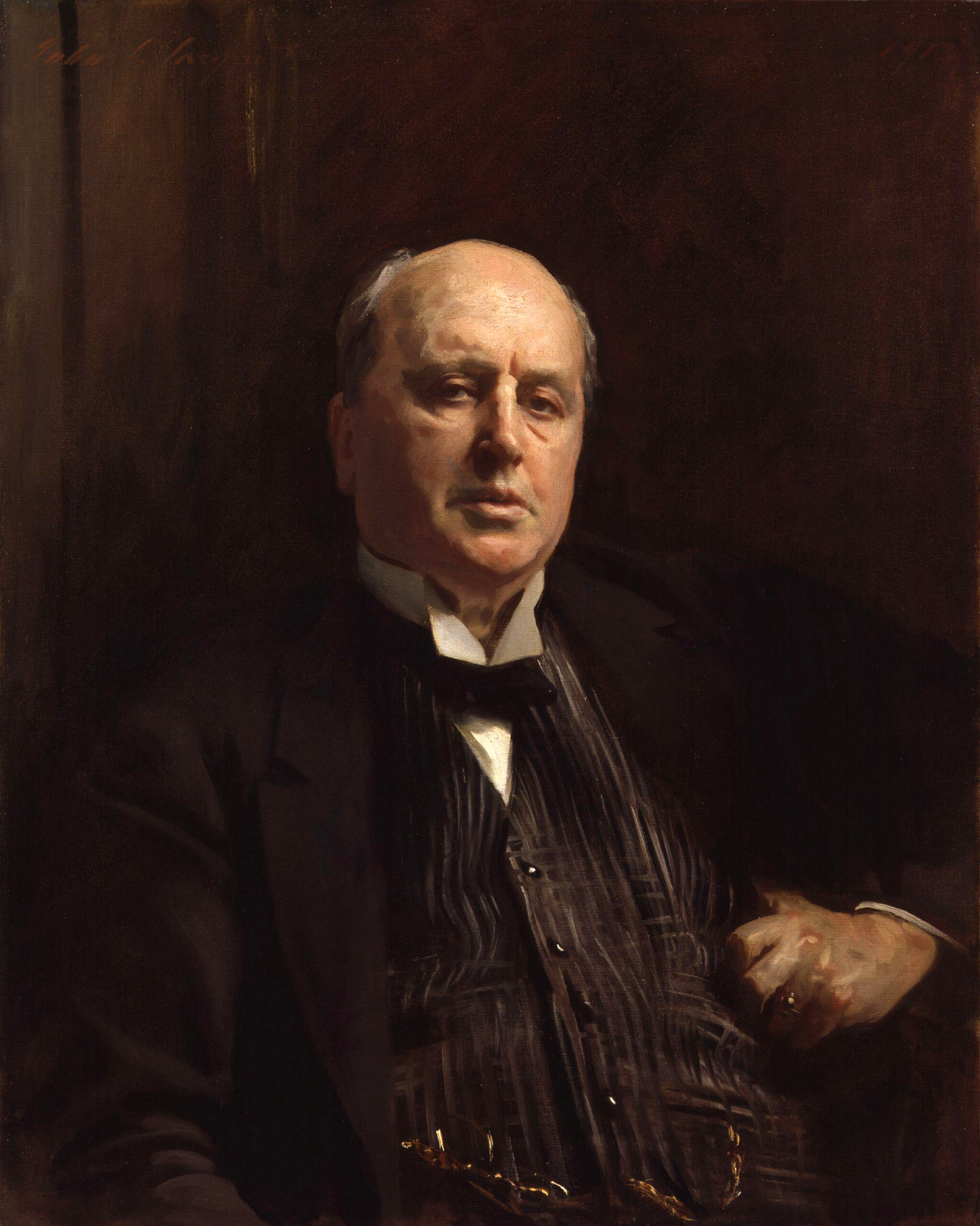
Henry James, born on April 15, 1843, in New York City, is one of the most celebrated and influential writers in the history of English literature. Renowned for his mastery of the novel, short story, and literary criticism, James’s works have left an indelible mark on modern fiction. His intricate narratives, complex characters, and exploration of consciousness have positioned him as a central figure in the development of the psychological novel. This article will delve into his life, exploring his age, rise to fame, and the significant milestones that shaped his extraordinary literary career.
Early Life and Education
Henry James was born into a wealthy and intellectually vibrant family. His father, Henry James Sr., was a prominent theologian and philosopher, and his mother, Mary Robertson Walsh, hailed from an affluent family. James grew up in an environment steeped in intellectual and cultural richness, which greatly influenced his development as a writer.
From a young age, James was exposed to a wide array of experiences that would later inform his literary work. The family frequently traveled between Europe and America, allowing James to absorb the cultural and intellectual atmosphere of cities like London, Paris, and Geneva. This cosmopolitan upbringing not only broadened his horizons but also provided him with the material and settings that would feature prominently in his later works.
At the age of 19, James enrolled at Harvard Law School, though he found the study of law unfulfilling. His true passion lay in literature, and he soon abandoned his legal studies to pursue a career as a writer. This decision marked the beginning of one of the most distinguished literary careers of the 19th and early 20th centuries.
Early Writing Career and Initial Success
James’s early writing career began with short stories and anonymous publications. His first published work, “A Tragedy of Error,” appeared in 1864, signaling the start of his lifelong commitment to fiction. Throughout the 1860s and 1870s, James contributed to various journals and magazines, including “The Atlantic Monthly,” “Harper’s,” “Scribner’s,” and “The Nation,” establishing himself as a talented and prolific writer.
In 1871, James published his first novel, “Watch and Ward,” which was serialized in “The Atlantic Monthly.” Although the novel was not a critical success, it showcased James’s burgeoning skill as a storyteller and his interest in the psychological complexities of his characters. His breakthrough came with the publication of “Roderick Hudson” in 1875, a novel that garnered critical acclaim and established him as a significant voice in American literature.
The Move to Europe and Literary Maturity
James’s move to Europe in 1875 marked a turning point in his career. He initially settled in Paris, where he mingled with the leading literary figures of the time, including Gustave Flaubert, Émile Zola, and Ivan Turgenev. However, it was in England that James found his true home, both personally and professionally. He moved to London in 1876 and later to the quiet town of Rye in East Sussex, where he would spend the latter part of his life.
During this period, James’s literary output was prolific, and his works began to reflect the themes and techniques that would define his mature style. His novel “The American” (1877) explored the clash of cultures between the Old World and the New, a theme that would recur throughout his oeuvre. This was followed by “The Europeans” (1878) and “Confidence” (1880), both of which continued to examine the cultural and psychological tensions between Europe and America.
One of James’s most significant works, “The Portrait of a Lady,” was published in 1881. The novel tells the story of Isabel Archer, a young American woman who inherits a large fortune and travels to Europe, where she faces complex moral and emotional challenges. “The Portrait of a Lady” is widely regarded as one of James’s masterpieces, showcasing his ability to delve into the intricacies of human consciousness and the moral dilemmas faced by his characters.
Exploration of Psychological Realism
Henry James is often credited with being a pioneer of psychological realism in fiction. His novels and stories are characterized by their deep exploration of the inner lives of his characters, often focusing on their thoughts, emotions, and perceptions. This approach to storytelling was revolutionary at the time and has had a lasting influence on the development of modern literature.
One of the key techniques that James employed to achieve psychological realism was the use of the “limited point of view,” where the narrative is filtered through the consciousness of a particular character. This technique allows readers to experience events and understand other characters through the subjective perspective of the protagonist, creating a sense of intimacy and immediacy.
James’s exploration of psychological realism reached its zenith in works such as “The Turn of the Screw” (1898), a novella that blends elements of gothic horror with a deep psychological complexity. The ambiguity of the story—whether the events are the result of supernatural occurrences or the product of the protagonist’s disturbed mind—has made it one of the most analyzed and debated works in literary history.
The Major Phase: Masterpieces of the Early 20th Century
The early 20th century marked what is often referred to as James’s “Major Phase,” a period during which he produced some of his most ambitious and acclaimed works. This period began with the publication of “The Ambassadors” (1903), followed by “The Wings of the Dove” (1902), and “The Golden Bowl” (1904). These novels are considered the pinnacle of James’s literary achievement, characterized by their intricate narrative structures, sophisticated use of language, and profound psychological insight.
“The Ambassadors” is a novel that explores the theme of moral awakening through the experiences of its protagonist, Lambert Strether, who travels to Europe to retrieve the wayward son of his fiancée. The novel is a meditation on the contrasts between American and European cultures and the complexities of personal identity and moral responsibility.
“The Wings of the Dove” is another masterpiece of James’s Major Phase, telling the tragic story of Milly Theale, a wealthy American heiress who is manipulated by those around her. The novel is a poignant exploration of love, betrayal, and the consequences of human frailty.
Finally, “The Golden Bowl” is perhaps James’s most complex and symbolically rich novel. It centers on the relationships between a wealthy American, Adam Verver, his daughter Maggie, her husband Prince Amerigo, and Amerigo’s former lover Charlotte. The novel is a study of the interconnections between wealth, power, and human relationships, and it is renowned for its intricate narrative and psychological depth.
Later Life and Legacy
The outbreak of World War I deeply affected Henry James, prompting him to sever his ties with the United States and become a British citizen in 1915. This decision was motivated in part by his disapproval of America’s initial neutrality in the war. However, James’s health began to decline around this time, and he suffered a stroke in December 1915.
Henry James passed away on February 28, 1916, in London. He was buried in Cambridge, Massachusetts, next to his parents and siblings. Although his death marked the end of an era, James’s influence on literature has continued to grow. His works have been the subject of extensive scholarly analysis, and his contributions to the development of the modern novel are universally recognized.
James’s legacy lies not only in his novels and stories but also in his critical writings. His essays on the art of fiction, particularly “The Art of Fiction” (1884), have had a profound impact on the way literature is studied and understood. In this essay, James argued that the novelist’s task is to render life as it is, with all its complexity and ambiguity, and that the quality of a novel should be judged by its ability to present the “felt life” of its characters.
Conclusion
Henry James stands as a towering figure in the history of English literature, a writer whose works continue to captivate and challenge readers with their depth and complexity. His exploration of psychological realism, his sophisticated narrative techniques, and his profound insights into human nature have earned him a place among the greatest novelists of all time.
James’s life was marked by a relentless pursuit of artistic perfection, and his works reflect his belief in the importance of literature as a means of understanding and interpreting the human experience. As we continue to read and study his works, we are reminded of the enduring power of fiction to illuminate the complexities of our lives and the world around us.


